Address falls in a dementia risk plan with a family history of Alzheimer's by making fall prevention part of brain-health protection. Build leg strength and balance twice weekly, review medicines and vision, and remove home hazards. A dementia risk plan is a practical list of habits, checkups, and home changes that lower risk and catch problems early. Having a parent or sibling with Alzheimer's raises personal risk but does not guarantee disease, according to the Alzheimer's Association in the genetics page, so family history should prompt monitoring and action.
Medical information disclaimer: This article is for general educational purposes only and does not provide medical advice, diagnosis, or treatment. Always consult a physician or other qualified health professional about symptoms, medications, tests, or treatment decisions.
Table of Contents
- Why family history changes fall planning
- How common are falls in older adults?
- Which daily habits protect brain and balance?
- What practical checks lower fall risk at home?
- What are the limits of a prevention plan?
Why family history changes fall planning
Family history means higher attention to both memory and mobility. The APOE-e4 allele on chromosome 19 is the strongest known genetic influence on late-onset Alzheimer's, while APOE-e2 may offer some protection. That link does not decide any one person's future.
Falls matter more because thinking changes affect movement. Older adults with dementia or cognitive impairment have 2-3 times higher risk of falling and fall injury than peers without impairment, partly from poor balance, gait, vision and perception changes, reports the Alzheimer Society of York Region in its falls and dementia guide. A family-history plan should therefore track memory symptoms and fall signs together.
How common are falls in older adults?
Falls are common and often serious. Among Canadian older adults, 20-30% fall yearly, and falls are the leading cause of injury-related hospitalizations.
In the U.S., more than 1 in 4 adults age 65 and older falls yearly and falls lead injury death. These numbers explain why waiting for a first bad fall is risky. For someone already watching brain health, one fall with head injury, fracture, or long bed rest can speed loss of strength, confidence, and independence.
Which daily habits protect brain and balance?
The 2024 Lancet Commission concluded about 45% of dementia cases could potentially be delayed or prevented by addressing 14 modifiable factors including inactivity, hypertension, hearing loss, high LDL, isolation and brain injury, as reported by North London NHS Foundation Trust in its summary of the report. Physical activity helps both goals because it supports blood pressure, mood, sleep, and walking skill.
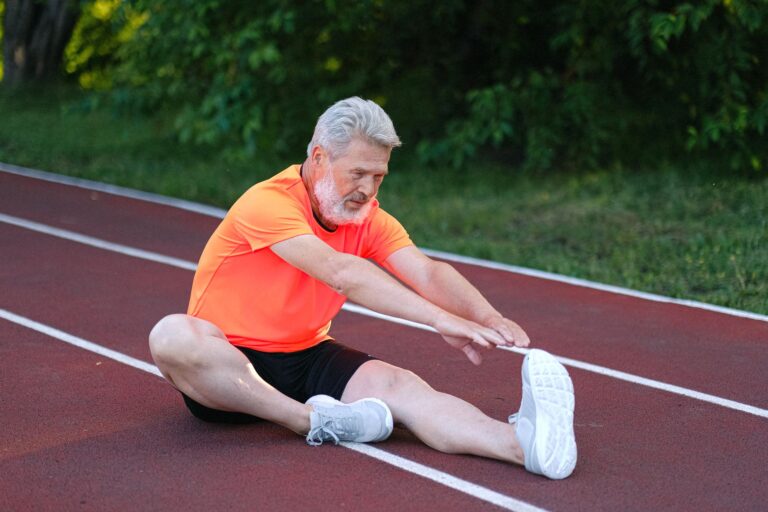
Do not respond by moving less. Strength and balance exercises done twice weekly reduce fall risk, so include leg-strengthening, balance training, Tai Chi or dance, or ask a clinician for physical therapy referral. Start light, use support for balance work, and treat pain, dizziness, or repeated near-falls as reasons for prompt medical review.
What practical checks lower fall risk at home?
Medicines, senses, and surroundings often combine to cause a fall. Practical fall-risk workup includes reviewing sedating, blood-pressure and over-the-counter sleep medicines, checking vision and footwear, and fixing home hazards such as poor lighting, clutter, loose rugs, cords and slippery floors.
Bring all prescriptions, vitamins, and sleep aids to the appointment. Walk through each room with fall prevention in mind:.
- add bright bulbs, night-lights, and clear paths from bed to bathroom
- remove or tape down loose rugs, move cords, and clean clutter from stairs
- add grab bars, railings, and non-slip mats where floors get wet
- choose closed, low-heel shoes with good grip and replace worn soles
- schedule eye exams and update glasses, then recheck balance and gait
What are the limits of a prevention plan?
Risk-factor control lowers population risk but cannot guarantee any individual with family history avoids Alzheimer's or falls. Not all falls are preventable, even with good strength, vision care, and a tidy home.
Use the plan for safer mobility, early evaluation, and clear care preferences. Record emergency contacts, medication lists, advance directives, and who to call after a fall with head strike, confusion change, or inability to bear weight.