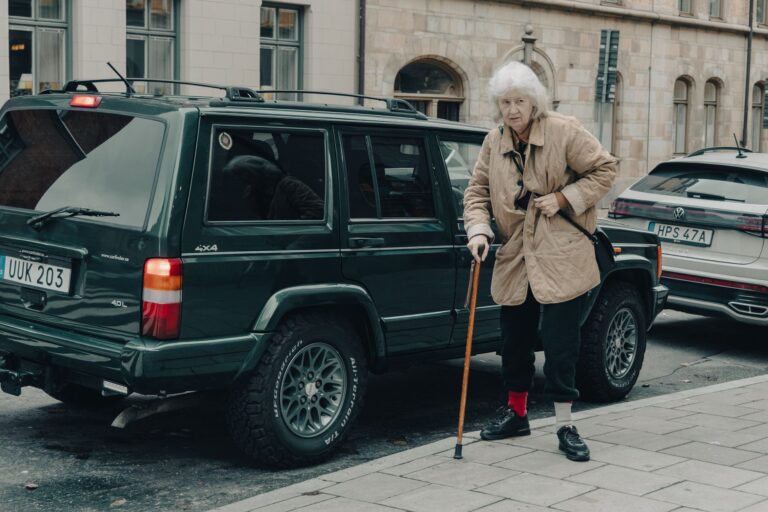
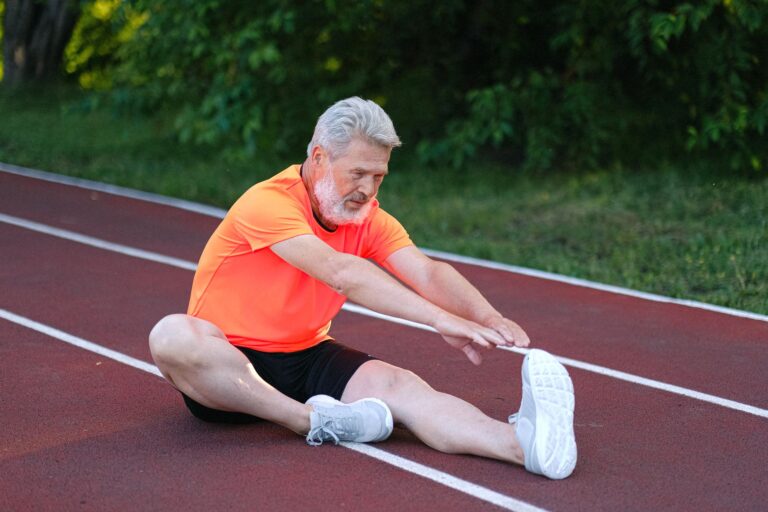
Sarcopenia raises dementia risk, and a family history of Alzheimer's can strengthen that link. Sarcopenia is age-related loss of muscle mass, strength and physical function. It becomes more common with aging and is measured by grip strength, gait speed and muscle mass. For readers with a parent, sibling or child with Alzheimer's, muscle health is a practical risk factor to track alongside blood pressure, sleep and hearing.
Medical information disclaimer: This article is for general educational purposes only and does not provide medical advice, diagnosis, or treatment. Always consult a physician or other qualified health professional about symptoms, medications, tests, or treatment decisions.
Table of Contents
- What the latest research shows
- Why family history raises the stakes
- Which type of dementia links most closely
- What to do if both risks apply
What the latest research shows
A 2026 meta-analysis of 83 prospective cohorts from Curtin University, published in the International Journal of Food Sciences and Nutrition, found sarcopenia was tied to 42% higher risk of all-cause dementia, rising to 48% higher in adults under 65 meta-analysis summary. The signal appeared early. Midlife muscle loss mattered, not only frailty after 80.
A large UK Biobank study of 420,916 people also linked possible sarcopenia, sarcopenia and sarcopenic obesity to higher dementia risk plus worse cognition and brain structure. A Johns Hopkins imaging study found smaller temporalis muscle on MRI tracked with memory decline, functional decline and smaller brain volumes. These studies point in the same direction across methods. Muscle strength, daily walking speed and brain outcomes move together.
Why family history raises the stakes
Having a parent, sibling or child with Alzheimer's raises risk. The Alzheimer's Association notes on its genetics and risk page that APOE-e4 is the major late-onset risk gene, with 40-65% of diagnosed people carrying it. One copy roughly triples risk and two copies raise it 10-15 fold, without determining fate. Family history captures shared genes plus shared habits and environments.
It does not mean dementia is certain. A UK Biobank mediation study indexed by the U.S. National Library of Medicine reported probable sarcopenia raised dementia risk and interacted with genetic susceptibility, including APOE e4 carrier status study record. In plain terms, weak muscle plus high genetic risk produced more risk than either alone.
Which type of dementia links most closely
The strongest subtype signal is for vascular dementia. The same Curtin analysis linked sarcopenia to 70% higher risk of vascular dementia overall and 74% higher in people 65 and older. Vascular dementia reflects blood-vessel injury to the brain. Muscle activity supports blood flow, blood sugar control and blood pressure.
Low strength and slow gait often travel with vessel risk. The link also extends to Alzheimer's patterns. Smaller chewing muscle predicted higher Alzheimer's and dementia likelihood in older adults. That finding fits a broader body-brain pattern, not a single cause.
What to do if both risks apply
Treat muscle as a weekly maintenance task. Resistance work builds strength, while walking and aerobic activity support vessels and stamina. Protein, vitamin D, sleep and vision checks help training stick.
Ask a clinician for a baseline: Start small and stay steady. Two strength sessions per week plus daily brisk walking is a prudent target for many high-family-risk adults. Curtin researchers describe this as sensible risk reduction, not proven prevention, because most evidence is observational and can reflect reverse causation.
- grip strength and timed gait speed
- weight, muscle and balance history
- memory concerns, medications and mood
- blood pressure, diabetes, cholesterol and hearing