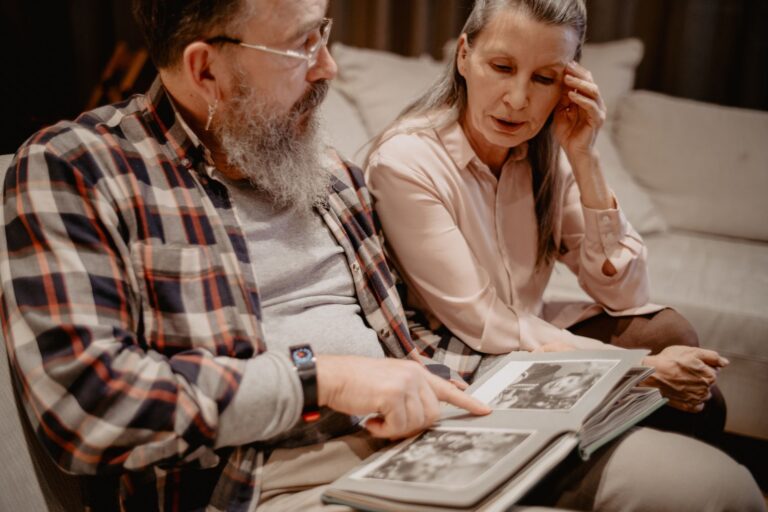
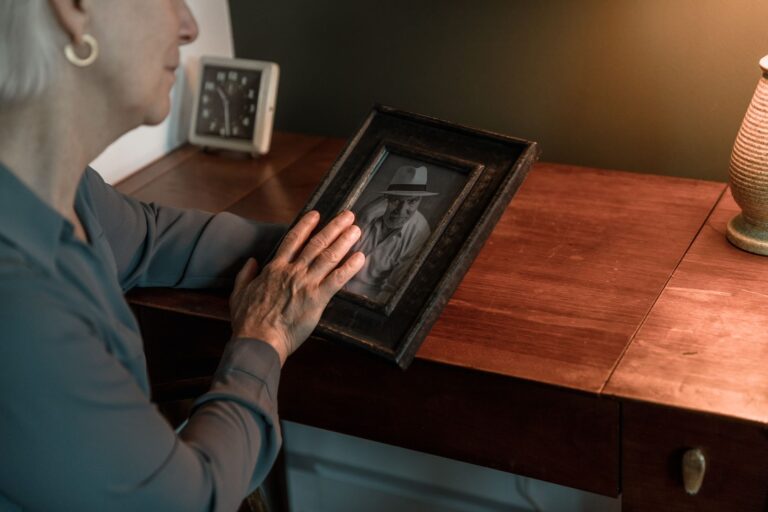
Adapt reminiscence conversations for dementia home care by talking one-to-one in a quiet space with few distractions. Use photos, music, familiar objects, short simple sentences, and follow the person's lead. Reminiscence means guided recall of past life experiences, often with prompts that spark stories. At home it works best as a calm conversation, not a memory test or therapy session.
Medical information disclaimer: This article is for general educational purposes only and does not provide medical advice, diagnosis, or treatment. Always consult a physician or other qualified health professional about symptoms, medications, tests, or treatment decisions.
Table of Contents
- What can reminiscence realistically do?
- How should you set up the conversation?
- Which prompts and words help most?
- What if memories bring distress or agitation?
- What new home approaches show promise, and what are the limits?
What can reminiscence realistically do?
The 2018 Cochrane review of 22 randomized trials with 1,972 people with dementia found effects were small, inconsistent, and varied by setting and format, according to the Cochrane review record. It is not a cure and does not restore memory.
The clearest signals were probable slight quality-of-life and thinking gains in care homes, lower depressed mood with one-to-one sessions, and better communication with group sessions, according to the Evidently Cochrane summary. Home results are less certain than care-home results. Aim for connection, mood, and conversation rather than sharper recall.
How should you set up the conversation?
Choose one person, one room, and one topic at a time. Turn off the television, lower background noise, and sit where you can see each other clearly.
The Alzheimer's Association advises a quiet space with minimal distractions, no criticism, correction, or arguing, and listening for meaning behind words, described in its communication guidance. Give extra time for answers. If attention fades, pause and return later.
Which prompts and words help most?
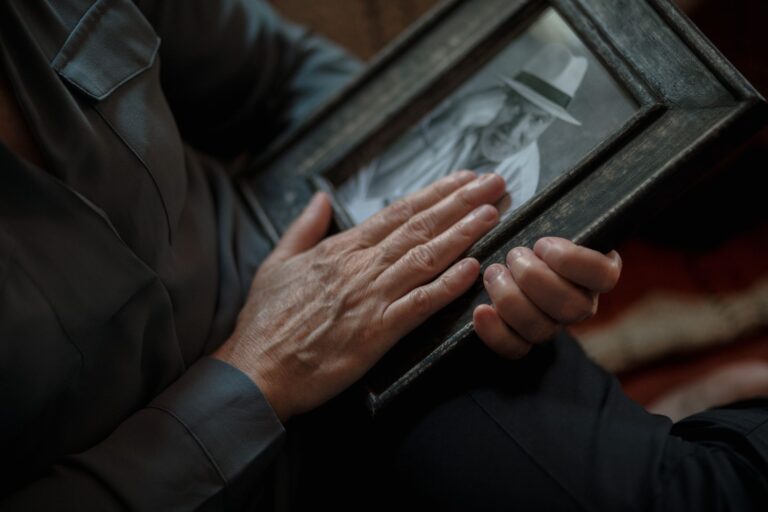
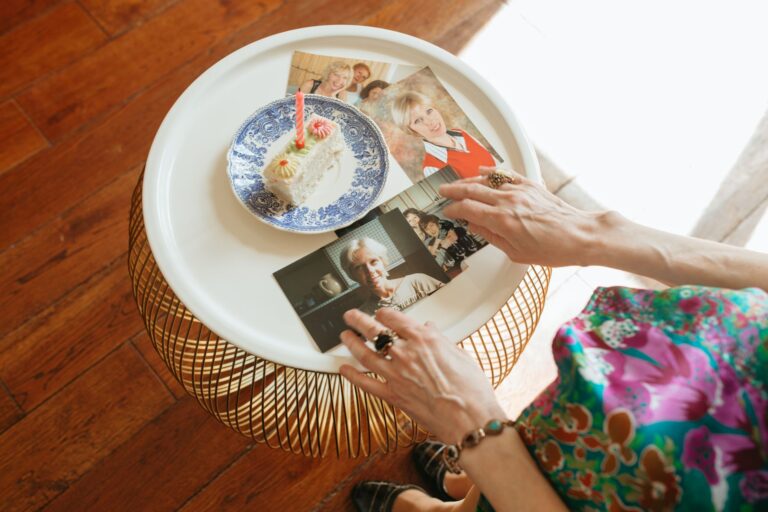
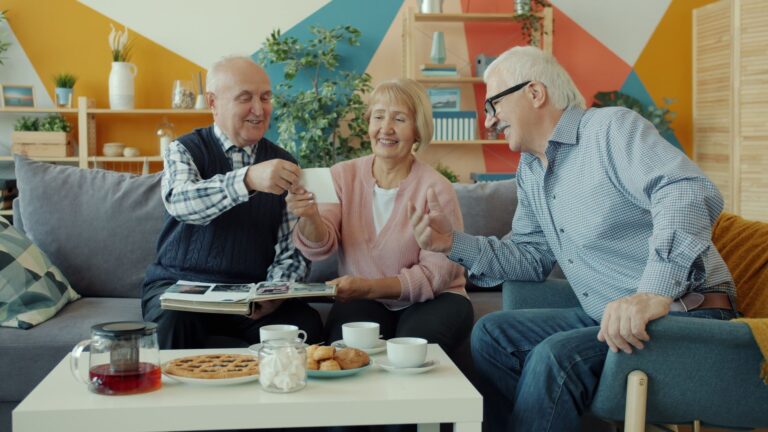
Offer something to see, hear, or touch. Family photos, short videos, favorite songs, recipe cards, tools, clothing, postcards, and life-story books all give the person something concrete to respond to.
Keep language short and simple. Say "This song was popular when you were young" rather than "Do you remember this song?" Do not quiz with "do you remember." If facts are mixed up, stay with the feeling in the story. Change the prompt if the person withdraws.
What if memories bring distress or agitation?
Stay calm, acknowledge the emotion, and shift gently. Try "That sounds hard" and then offer a different photo, song, or activity.
Lower noise and clutter, keep well-loved photos and objects nearby, play soothing music, and redirect with a snack, walk, reading, or household task, according to the coping guidance from the National Institute on Aging. Keep outings and transitions simple. Note which prompts upset the person and avoid them next time.
What new home approaches show promise, and what are the limits?
A 68-pair pilot of web-based Living Memory Home, with photo albums, autobiographical questions, and journaling prompts, proved feasible and suggested better caregiver relationships and less pre-death grief. A short shared journal entry after talking can preserve what felt meaningful.
Home benefits remain harder to prove. An Online Life Story Book trial in very mild dementia at home found mostly small, non-significant changes, while a large joint-group trial found no overall quality-of-life benefit and higher carer stress with high attendance. Keep sessions brief, voluntary, and fitted to energy levels.