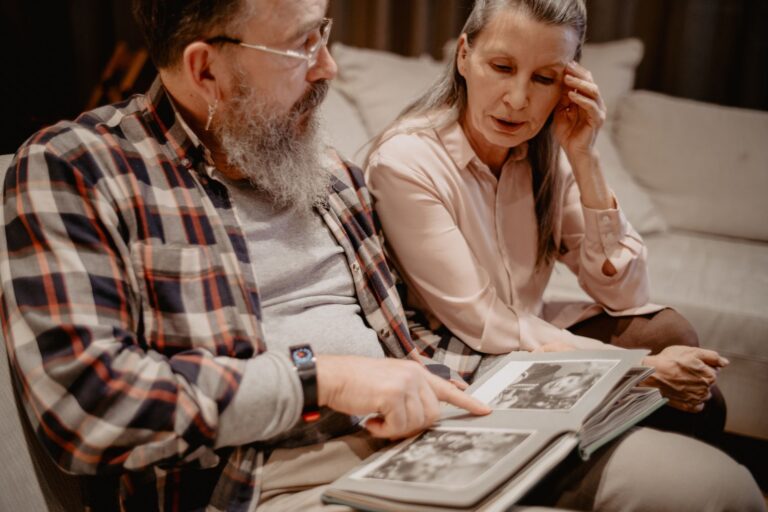
When reminiscence conversations lose appeal in dementia home care, the best alternatives are music, art, sensory activities, gentle movement, and simple shared household tasks. Reminiscence conversations are guided talks about past memories, and interest often fades as verbal recall gets harder.
Start by matching the new activity to what the person can still do. Plan it for their best time of day. Join in to help start, break it into small steps, and keep it fun for both of you.
Medical information disclaimer: This article is for general educational purposes only and does not provide medical advice, diagnosis, or treatment. Always consult a physician or other qualified health professional about symptoms, medications, tests, or treatment decisions.
Table of Contents
- How do you choose what comes next?
- Which creative options need little talking?
- What helps when anxiety replaces interest?
- How do movement and senses fill the gap?
- Frequently Asked Questions
How do you choose what comes next?
Watch for signs of fatigue, frustration, silence, or wanting to leave the table. Those signals mean the task is too verbal, too long, or scheduled at the wrong time.
The National Institute on Aging recommends matching the activity to current ability, making it enjoyable for both people, helping it start, breaking it into small steps, and planning it for the best time of day in its adapting activities guidance. Offer one clear choice, not five. Demonstrate the first step yourself.
- Pick something doable now, not something loved years ago
- Schedule it when alertness is highest, often morning
- Sit beside them and begin together
- Stop early and try again later if mood drops
Which creative options need little talking?
Singing, listening, painting, simple crafts, and creative storytelling can work when questions about the past do not. They rely on rhythm, color, texture, and present-moment response. The Alzheimer's Association includes music, art and crafts, gardening, walks, visits with friends, cooking, and household tasks in a daily plan in its daily care plan. Set out two paint colors and thick paper.
Play a familiar song and clap along. Fold towels, stir batter, or pot a plant together. A small 2019 trial of twice-weekly creative-expression storytelling for six weeks reported better cognition, communication, mood scores, quality of life, and observed emotion in 91 older completers, with gains at one-month follow-up. The sessions used imaginative group stories, not memory quizzes. That format may suit a person who still enjoys voices and pictures but resists correct answers.
What helps when anxiety replaces interest?
Restlessness, pacing, snapping, or repeated questions often mean worry or boredom, not defiance. A shared task can redirect attention and ease pressure to perform. The Alzheimer's Association advises involving the person in an activity and using art, music, walking, gardening together, or music and dance to engage attention and divert distress in its anxiety and agitation guidance. Keep your voice calm and your body unhurried.
Walk to another room, offer water, then start something hands-on. A Cochrane review of 30 studies with 1,720 people with dementia found music-based therapy probably reduces depressive symptoms and may improve overall behavioral problems by end of treatment, mostly in care homes, according to the Cochrane Russia summary. The same review found music therapy is unlikely to improve agitation, aggression, cognition, or overall emotional well-being, with uncertain benefit beyond four weeks after treatment. Use music for comfort and connection, not as a cure for agitation.
How do movement and senses fill the gap?
Short physical bursts and sensory input work well when words fail. They need little instruction and give quick feedback through the body. Try 10-minute mini-workouts, walking, dancing, gardening, cooking, or simple chores, wearing comfortable clothes and joining in to help start. March in place during a chorus. Toss a soft ball.
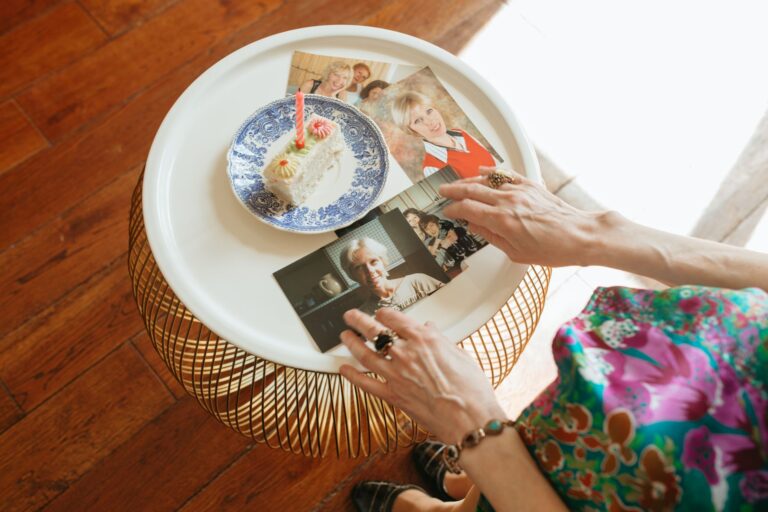
Sweep one small area together. Rest between efforts. Sing familiar songs and offer things to taste, smell, see, hear, and touch. Warm bread, citrus peel, soft fabric, family photos, bird sounds, and hand lotion each invite one sense at a time. Follow the person's lead and linger on what brings a smile.
Frequently Asked Questions
How long should a replacement activity last?
Keep it brief at first, such as one song, one small craft step, or a 10-minute movement burst. End while mood is still good.
What if the person refuses everything offered?
Pause, change the setting, and offer a sensory or movement option later at a better time of day. One simple invitation with you joining in often works better than repeated questions.