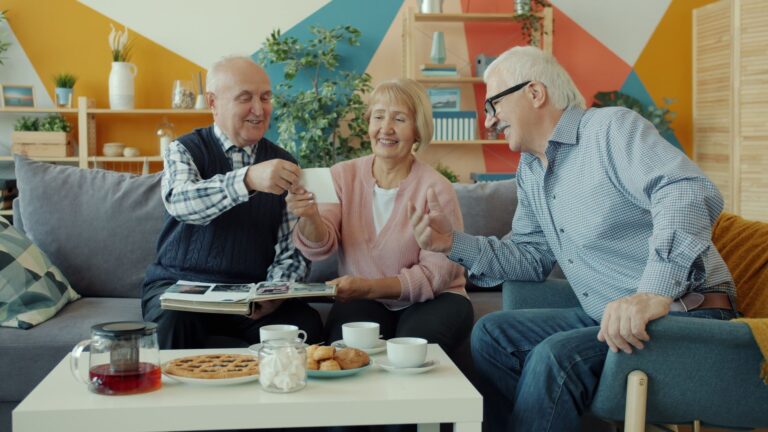
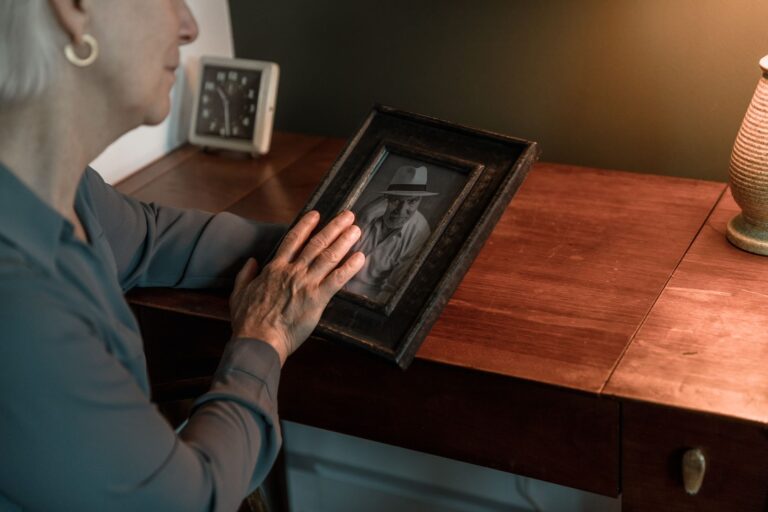
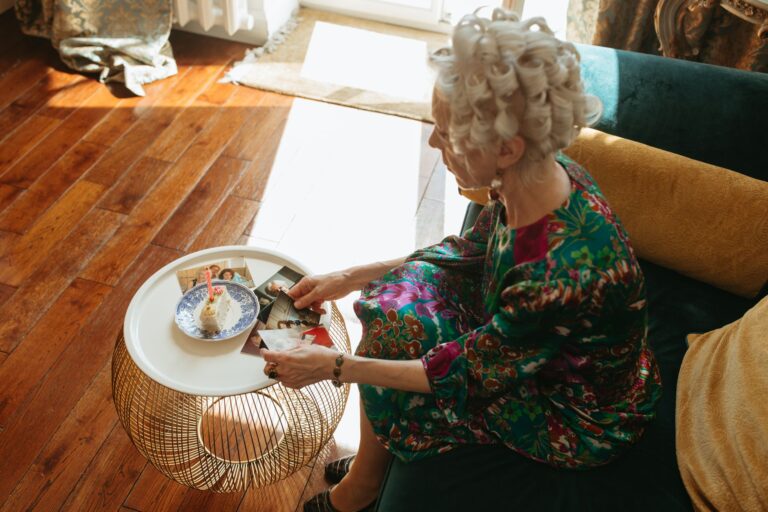
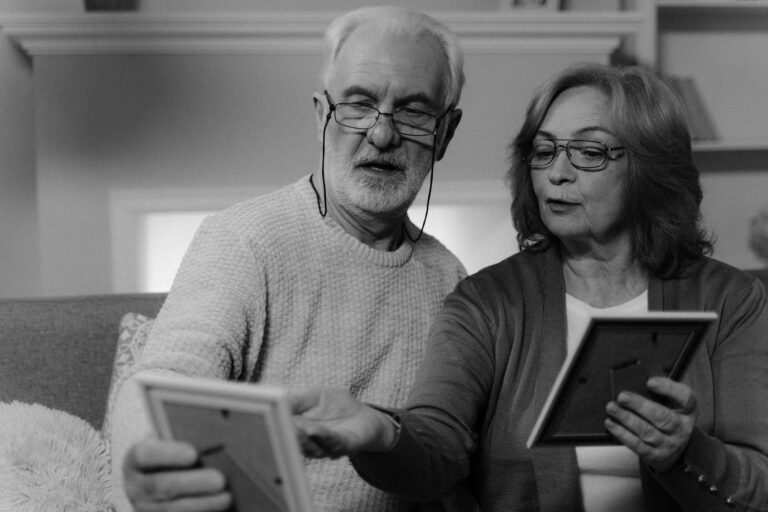
Reminiscence conversations for dementia home care are one-to-one talks that use pictures, videos, objects and music prompts to revisit past experiences. At home they work best with a quiet setup, simple personal supplies and a clear plan for anxiety or agitation. Reminiscence therapy is the clinical name for this approach. The 2018 Cochrane review of 22 randomized trials with 1,972 people with dementia assessed quality of life, cognition, communication, mood and carer outcomes, according to the Cochrane summary.
Medical information disclaimer: This article is for general educational purposes only and does not provide medical advice, diagnosis, or treatment. Always consult a physician or other qualified health professional about symptoms, medications, tests, or treatment decisions.
Table of Contents
- What can these conversations do?
- How do you set up a session?
- What supplies help most?
- How do you handle distress safely?
What can these conversations do?
Individual reminiscence was linked with improved cognition and mood, while group reminiscence was linked with improved communication, according to the abridged Cochrane review on PubMed. Quality-of-life effects looked most promising in care-home settings. The pattern affects mainly people with mild-to-moderate dementia. The UK NICE dementia guideline NG97 recommends clinicians "consider group reminiscence therapy for people living with mild to moderate dementia," a weaker statement than its "offer" for group cognitive stimulation.
Families can use that distinction to set goals. Connection and comfort fit the evidence better than expectation of treatment. Effects are small, format-dependent and inconsistent, with no clear overall quality-of-life gain. Treat home conversations as low-risk time together, not as treatment that slows or reverses dementia, according to the Cochrane Library abstract.
How do you set up a session?
Choose a quiet space with minimal distractions. Turn off the television, put phones aside and sit face-to-face at eye level. The Alzheimer's Association advises speaking slowly and clearly, allowing time to respond, and avoiding correcting, arguing, criticizing or restraining the person.
Keep sessions short and person-led. Let the person choose which memory to follow. End while the mood is still pleasant rather than pushing for more detail.
- Pick one prompt per talk, such as one wedding photo or one song.
- Ask one simple open question, then pause.
- Follow the person's lead if the topic shifts.
- Stop or change course if attention fades.
What supplies help most?
A memory box works well because it holds personal objects from the person's past. Dementia UK notes that such objects can trigger positive memories, prompt conversation for family and friends, and give caregivers insight into life story and preferences. Useful items include family photos, postcards, medals, recipes, scarves, tools and concert tickets. Build the box with the person and family when possible.
Label items with names, dates and places in large print. Keep fragile, sharp or very valuable items out of reach, and use copies of rare photos. Rotate only a few items at a time. A small choice prevents overload. A familiar smell, texture or song can start talk when pictures do not.
How do you handle distress safely?
Some prompts may bring anxiety, restlessness or agitation. Reduce noise and distractions or move to another room. Use calm positive statements and reassurance, focus on pleasant events, and do not raise your voice, show alarm, crowd or argue. Watch for pacing, raised voice, frowning, withdrawing or pushing materials away.
Those are cues to pause. Offer a drink, a short walk, fresh air or a different pleasant activity. Return to the memory box another day if upset continues. Note which prompts felt safe and which felt hard. Share that list with other family members and paid caregivers so everyone uses the same comfortable material.