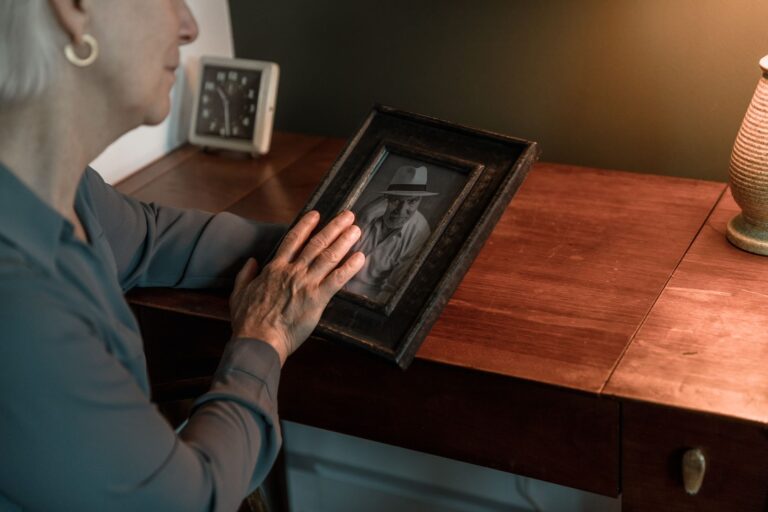
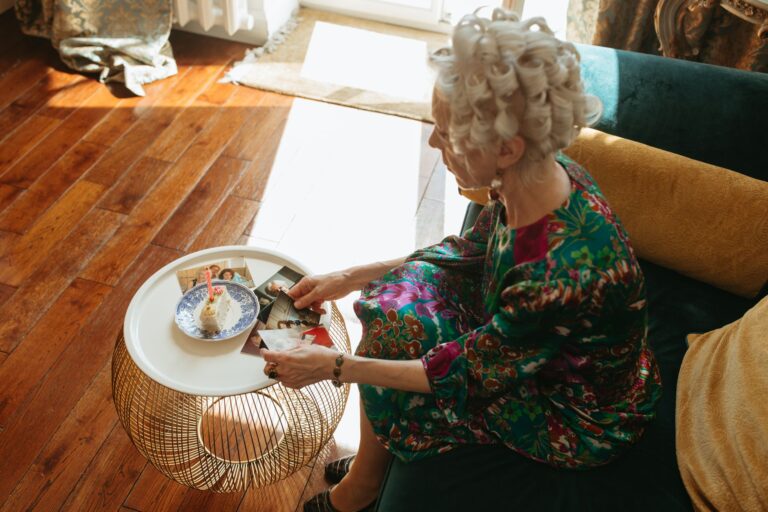
Step-by-step reminiscence conversations at home mean using photos, music, smells and keepsakes to prompt talk about distant memories. You follow the person's lead, listen patiently, and keep the focus on positive moments they choose. Reminiscence therapy is a structured way to support well-being, identity and dignity through shared recall. Distant memory often stays strong well into dementia, so old stories can keep a person engaged in present conversation.
Medical information disclaimer: This article is for general educational purposes only and does not provide medical advice, diagnosis, or treatment. Always consult a physician or other qualified health professional about symptoms, medications, tests, or treatment decisions.
Table of Contents
- What should you gather first?
- How do you start and follow the conversation?
- What can these talks realistically do?
- What if a memory causes distress?
What should you gather first?
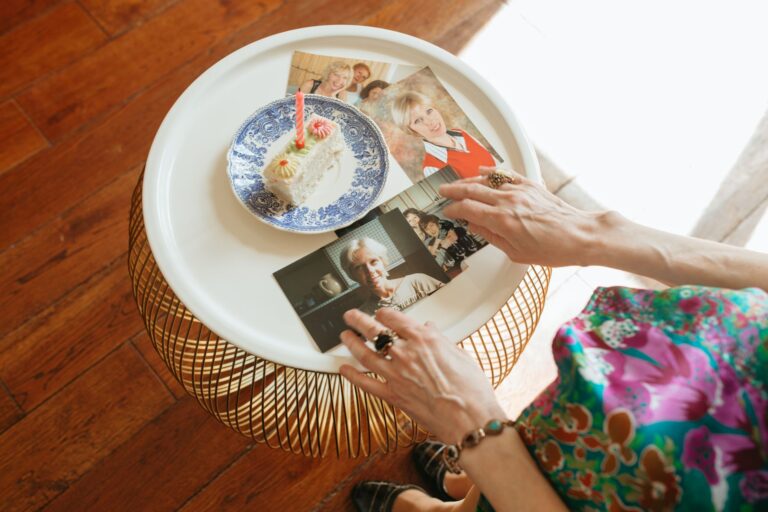
Keep the kit small and personal. Photo albums, youth-era music, familiar smells, touchable objects and a memory box work well. Fill the box with postcards, medals, heirlooms or other items tied to the person's life.
Choose items the person already likes. A wedding photo, work badge, recipe card or favorite song gives a clear starting point. Avoid new or abstract materials that demand learning.
How do you start and follow the conversation?
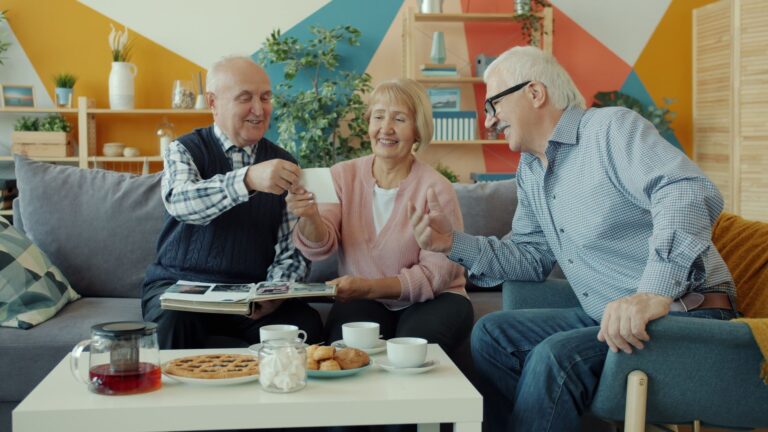
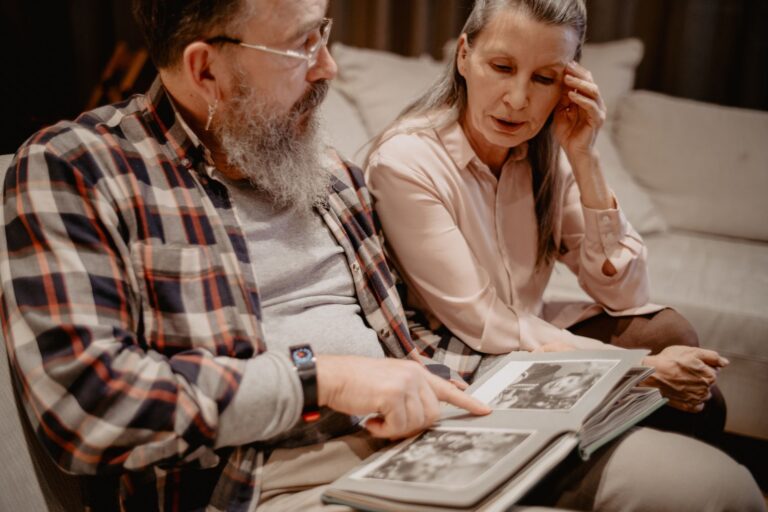
Open a scrapbook together and let the person drive what follows. Continue talking while interest lasts, or sit quietly viewing photos while checking that they look calm and relaxed. Ask specific, detailed questions rather than broad ones.
Show pictures from past holidays to cue recall, then play holiday music while baking to engage hearing and routine. Invite storytelling and listen without correcting dates or details. Use one prompt at a time:.
- Show one photo and ask who is there
- Play one familiar song and ask what it brings back
- Offer one object to hold and ask how it was used
- Pause often and let silence do its work
What can these talks realistically do?
The Alzheimer's Association describes this structured approach, often led by therapists, nurses or activity directors, as support for well-being, identity, dignity and understanding in the Alzheimer's Association guide. At home, that means connection and engagement, not treatment of dementia itself. Trial results are modest and mixed. The 2018 Cochrane review of 22 trials with 1,972 people with dementia found inconsistent, small effects that depended on setting, according to the Porchlight summary of Woods and colleagues.
It found no important overall quality-of-life gain, with probable slight gains in care homes, mood in one-to-one work and communication in groups. An evidence-map summary of the same review reports a similar pattern in the ASHA evidence summary. It notes probable slight post-treatment cognition gains individually and communication gains in groups, without consistent well-being improvement. Use talks for enjoyment and contact, then judge success by calm, smiles, eye contact and willingness to continue.
What if a memory causes distress?
Stay alert for anxiety, tears, agitation or withdrawal. If photos or stories trigger grief, close the book, switch topics, move outdoors or offer a snack, as home-care guidance from Continuum recommends in the Continuum home-care guide.
Return only to positive, person-chosen memories. End the session early if distress continues. Try again another day with a safer prompt, shorter time or different sense, such as music instead of photos.