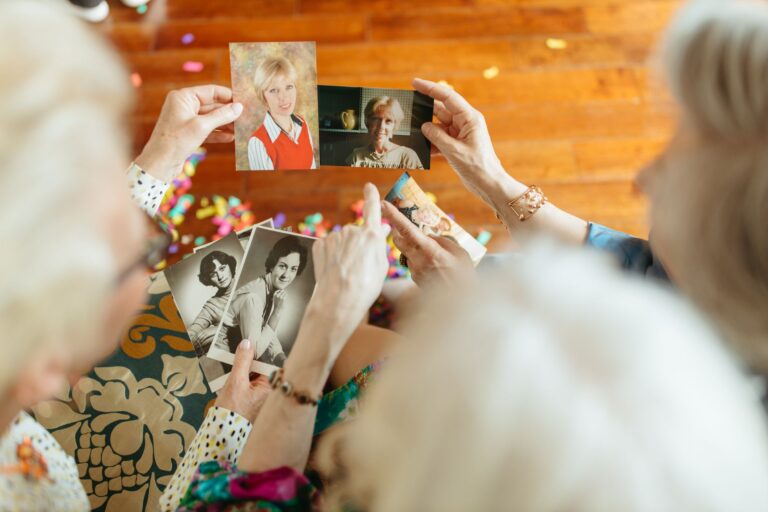
Step-by-step reminiscence conversations for late-stage dementia are short, one-to-one exchanges built around one familiar sensory prompt at a time. Reminiscence means inviting talk about a past period or event, adapted here for very limited speech. Late-stage dementia can last weeks to years and needs round-the-clock care. The Alzheimer's Association explains that speech often gives way to facial expressions and vocal sounds, so connection depends on tone, touch, and senses in its late-stage communication guidance.
Medical information disclaimer: This article is for general educational purposes only and does not provide medical advice, diagnosis, or treatment. Always consult a physician or other qualified health professional about symptoms, medications, tests, or treatment decisions.
Table of Contents
- How is late-stage reminiscence different?
- How do you hold a calm one-to-one conversation?
- Which prompts work best when words are few?
- What does research show about benefits?
- What if sadness or distress appears?
How is late-stage reminiscence different?
Reminiscence work encourages talk about a past period or event. Life-story work is broader and compiles a record of key people, places, and experiences, often with family or staff.
In late-stage dementia, the goal is comfort and connection, not recall or facts. A smile, steady gaze, relaxed shoulders, humming, or reaching for an object counts as participation.
How do you hold a calm one-to-one conversation?
Choose a quiet moment with few distractions. Sit at eye level, use a calm voice, and keep the time brief.
The Alzheimer's Association describes a simple late-stage sequence of brief one-to-one time, one prompt, an invited sensory response, and validation without correction in its late-stage care sequence. Use it like this:.
- Offer one idea at a time and ask a simple yes-or-no question.
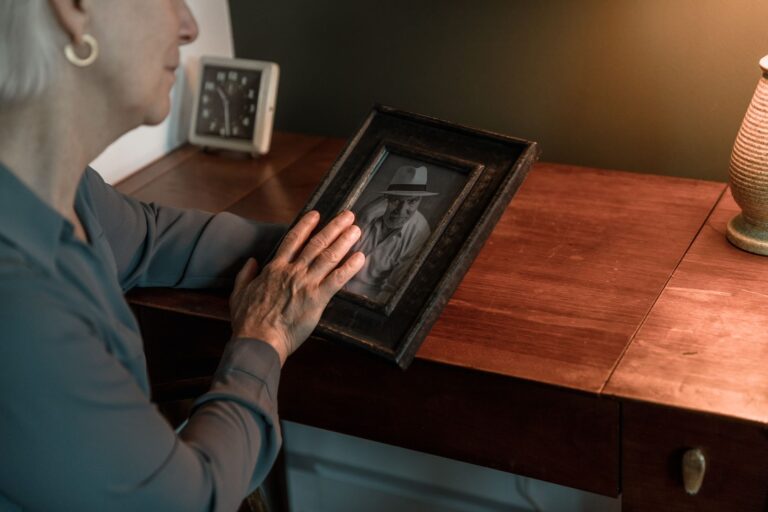
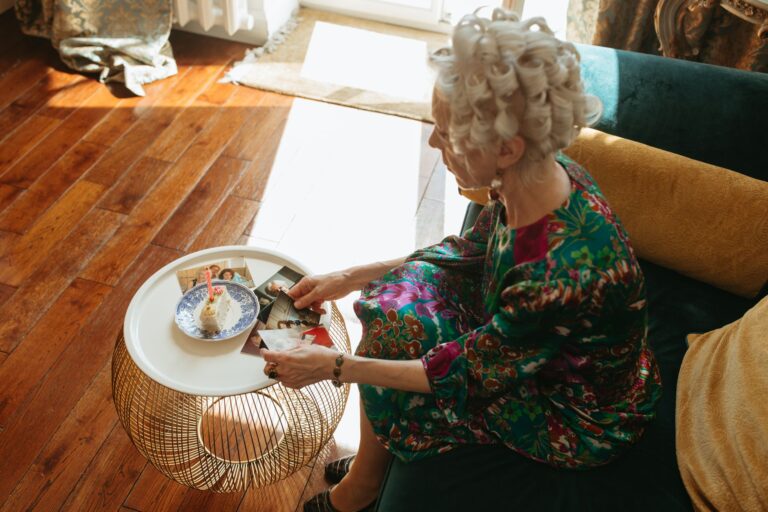
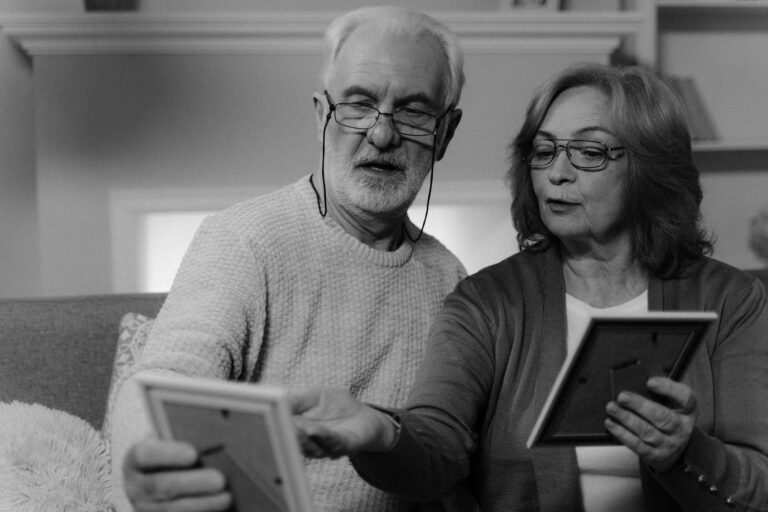
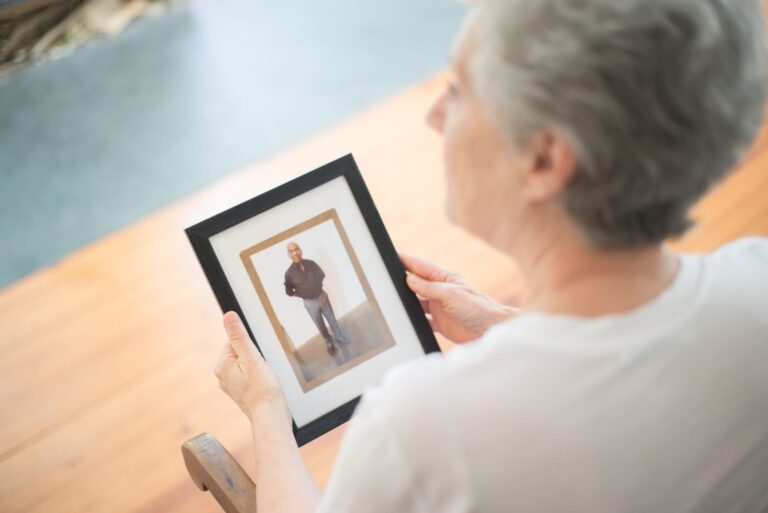
- Present one familiar prompt, such as a song, scarf, or photo.
- Invite a response by looking, pointing, holding, or listening together.
- Name the feeling you see and do not correct errors.
Which prompts work best when words are few?
Use music, objects, photos, and videos, general or person-specific. A wedding song, a wooden spoon, a garden photo, or a short family clip can spark attention. Memory boxes help by grouping items by hobby, era, or life theme.
A sewing box might hold fabric, buttons, and a thimble for touch and sight. Add other senses in small doses. Hand lotion with a familiar scent, warm tea held safely, or stepping near an open window can support mood. Stop if the person turns away, closes eyes, or grows restless.
What does research show about benefits?
A 2018 Cochrane review by Woods and colleagues pooled 22 trials with 1,972 people with dementia and found small, setting-dependent gains in cognition, mood, communication, and quality of life in its Cochrane review of reminiscence therapy. Benefits were strongest for individualized one-to-one sessions. Most trials enrolled people with mild-to-moderate dementia.
NICE Guideline NG97 therefore says only to consider group reminiscence for mild-to-moderate dementia, as detailed in the NICE dementia guideline. That gap means late-stage use rests on careful practice, not strong trial proof. Treat each session as an experiment in comfort and watch the response closely.
What if sadness or distress appears?
Follow positive emotion and let sad memories be expressed with support. Say what you notice, such as "That song seems to move you," and stay present.
Pause or switch to comfort if distress rises. Hold a hand, lower the sound, offer water, or move to a quieter spot. End early when needed and try a different prompt another day.