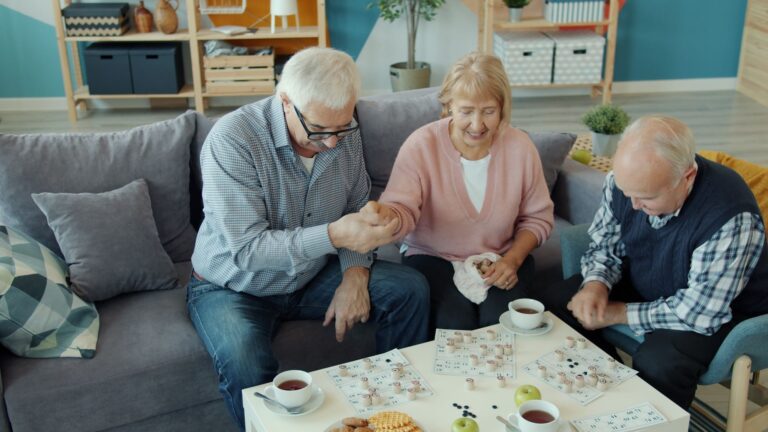
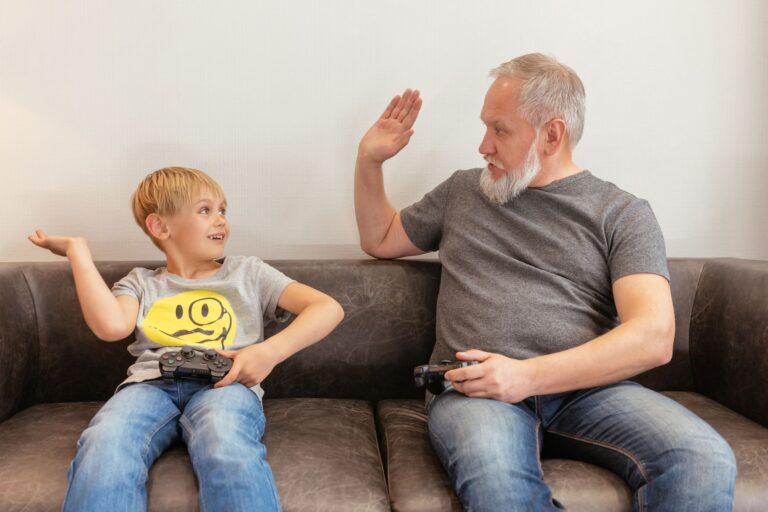
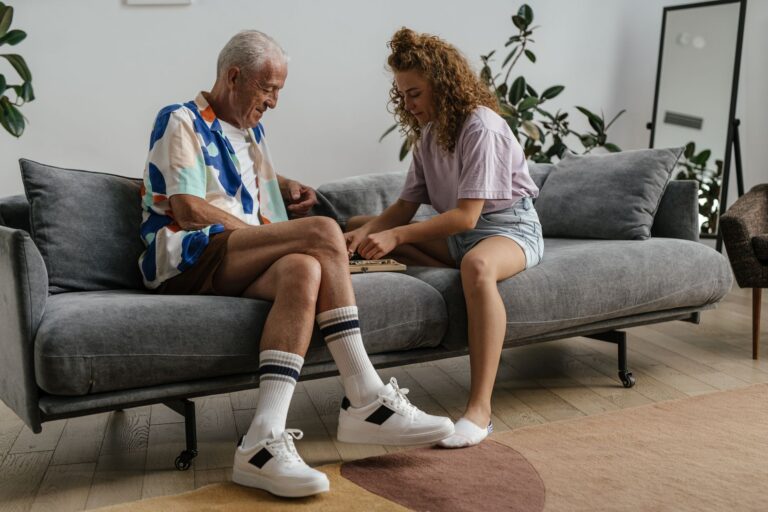
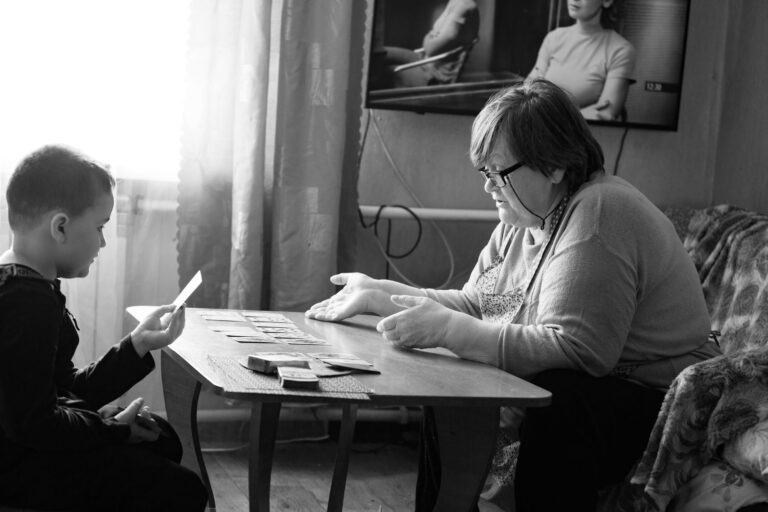
Board games benefit people with dementia by supporting memory, thinking, and social connection, and benefit caregivers by creating shared enjoyment and easing strain. Joint play offers regular mental, social, and emotional activity for both partners. Dementia means ongoing decline in memory, thinking, and daily function. Board games here mean non-digital tabletop play, such as cards, chess, bingo, and adapted board games played face to face.
Medical information disclaimer: This article is for general educational purposes only and does not provide medical advice, diagnosis, or treatment. Always consult a physician or other qualified health professional about symptoms, medications, tests, or treatment decisions.
Table of Contents
- What does the research show for the brain?
- How does playing together help caregivers?
- Which games work best day to day?
- Where are the limits?
What does the research show for the brain?
Regular players of non-digital games such as cards, chess, bingo and crosswords scored better on memory, problem-solving, processing speed and general thinking at ages 70-79, according to the University of Edinburgh via the 2019 research announcement. Those who increased play showed less decline in memory and speed. Long-term follow-up points the same way. In the French Paquid cohort of 3,675 dementia-free older adults followed 20 years, regular board-game players had about 15% lower risk of developing dementia than non-players, according to BMJ Open Dartigues et al.
in the 20-year Paquid cohort study. A treatment review also found benefit after problems begin. A systematic review and meta-analysis of tabletop-game interventions found improved cognitive functioning in older adults with intact cognition, mild cognitive impairment or dementia, according to Games for Health Journal in the 2022 meta-analysis of tabletop games. The same review found more social participation and interaction.
How does playing together help caregivers?
Joint play gives caregivers shared, enjoyable time that builds social connection. It supports conversation and laughter. It reduces isolation and loneliness for the person with dementia.
Tailored shared activities can also ease daily care. Tailored shared activities including playing games, singing familiar songs and reminiscing were protective against behavioral and psychological symptoms of dementia, according to a 2024 Innovation in Aging review in the 2024 review of tailored shared activities. Caregivers in those activities reported better well-being, greater confidence and less upset.
Which games work best day to day?
Choose short, stimulating, easy-to-follow games with simple repetitive steps matched to current ability. Include physical, cognitive and social activity in the daily routine.
A 12-month co-design project showed standard board games can be redesigned into accessible versions that people with mild cognitive impairment can play successfully together with a care partner without impairment. Simple rules, large pieces, short turns, and familiar themes help.
- Match the game to today's ability, not last year's skill
- Keep sessions short, calm, and voluntary
- Use repetition, sorting, matching, or simple card play
- Pair games with music, movement, and reminiscing
Where are the limits?
Complex-rule games can cause frustration late in dementia. Mahjong can exceed the abilities of people with more severe dementia. In a 30-person pilot randomized trial, olfactory stimulation with cognitive training maintained cognition better than board-game training.
That does not remove the value of play. It means fit matters more than challenge. Stop or simplify when rules confuse, fatigue rises, or enjoyment drops.