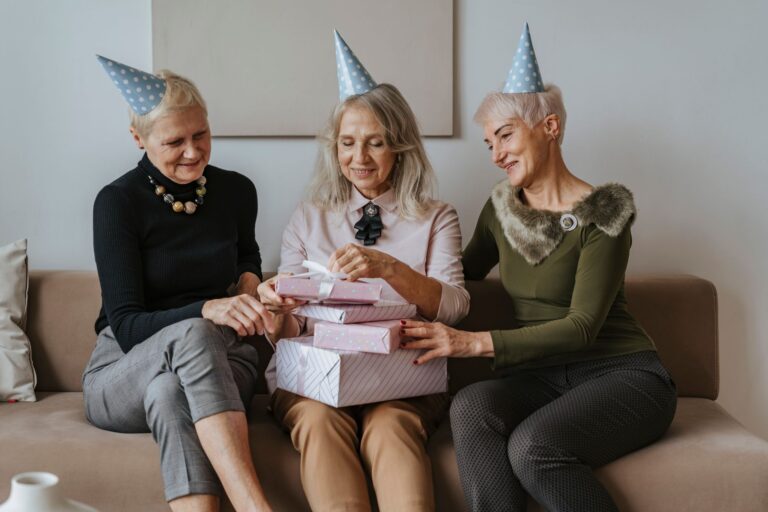
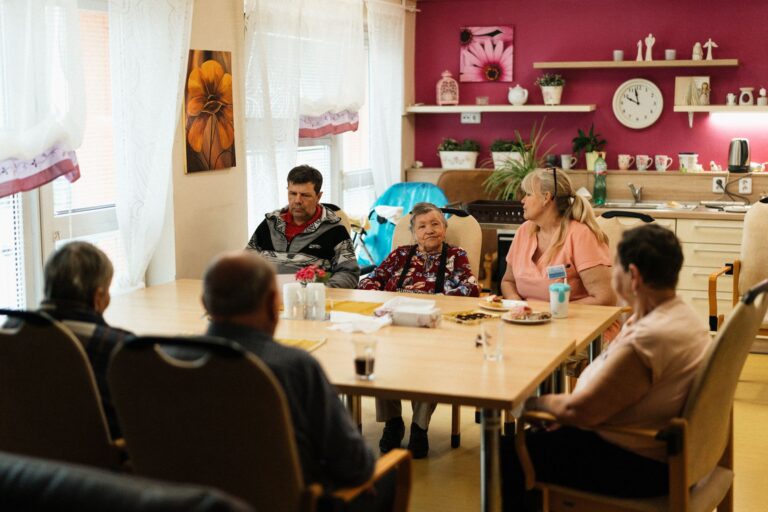
A quiet birthday celebration for someone with dementia creates space for genuine connection by respecting how the disease affects the brain's ability to process sound and social stimulation. Rather than the noise and overstimulation of a traditional party, intimate gatherings with familiar faces produce deeper emotional satisfaction and lower stress for both the person with dementia and their caregivers.
People with dementia experience heightened sensitivity to background noise because brain changes impair their ability to filter everyday sounds, making normal environments feel distorted and overwhelming. This isn't hearing loss—it's a central auditory processing issue that causes cognitive overload. A quiet birthday sidesteps this entirely and lets connection happen instead.
Medical information disclaimer: This article is for general educational purposes only and does not provide medical advice, diagnosis, or treatment. Always consult a physician or other qualified health professional about symptoms, medications, tests, or treatment decisions.
Table of Contents
- Why Sensory Overload Drains Energy
- The Power of One-to-One Connection
- Timing Prevents Sundowning
- Sensory Activities That Create Meaning
- Tailor the Celebration to the Individual
- Frequently Asked Questions
Why Sensory Overload Drains Energy
Noise and sensory overstimulation cause documented physiological stress responses, including elevated heart rate and fatigue, while also increasing agitation behaviors such as picking at objects. When you remove that background noise, you're not just making the celebration quieter—you're removing a source of physical stress that exhausts the person with dementia.
A familiar, calm environment allows the person to focus and engage rather than spend emotional energy managing overstimulation. This is why small, quiet gatherings with familiar faces in familiar settings prevent overstimulation and maintain positive experiences better than large parties.
The Power of One-to-One Connection
One-to-one meaningful interaction between caregivers and people with dementia maximizes satisfaction and emotional well-being for both parties. Quality matters more than event size or formality. A single caregiver sitting quietly with the person, sharing a moment of recognition, does more for emotional well-being than a room full of well-meaning guests.
The caregiver's tone and attentiveness directly shape the outcome. Positive caregiver interactions correlate with positive emotional expressions in people with dementia, while negative interactions produce negative emotional responses. A patient, warm, attentive presence during a quiet celebration creates the emotional safety that celebrations are meant to provide.
Timing Prevents Sundowning
Morning or early afternoon celebration timing avoids "sundowning"—afternoon confusion and agitation common in dementia—keeping the experience positive and focused. Plan the birthday between breakfast and lunch or early in the afternoon to catch the person when they're most alert and oriented. This simple scheduling choice prevents behavioral disruption and increases the likelihood that the celebration will feel good to them.
Sensory Activities That Create Meaning
Familiar music, photo albums, gentle hand squeezes, and moments of recognition during quiet celebrations create meaningful treasures. These aren't elaborate activities—they're multisensory moments that tap into memory and emotion even as language abilities decline. Sensory activities like baking, gentle music, and tactile engagement trigger positive memories and emotional connection while supporting identity and purpose.
If the person enjoyed baking, make simple cookies together. Play songs they loved in earlier decades. Look through photos. These moments bypass the language difficulties of dementia and access the emotional and procedural memory that still carries meaning.
Tailor the Celebration to the Individual
Person-centered dementia care tailors activities to each individual's preferences, history, and current abilities rather than applying one-size-fits-all routines. A quiet birthday isn't a generic template—it's shaped by who this person is: their favorite foods, the music they loved, the people they most wanted to see, whether they prefer touch or space. Ask caregivers and family who know them well: What brought them joy twenty years ago? What sensory experiences do they still respond to? Does this person prefer a morning or afternoon celebration? Are they soothed by soft voices or energized by familiar laughter? The answers guide you toward a celebration that honors their identity and creates genuine connection.
Frequently Asked Questions
Does a quiet birthday mean the person with dementia is isolated?
No. Quiet means intentional and focused—one or two familiar people creating calm presence together. This often creates deeper emotional connection than a crowded, stimulating party.
What if the person with dementia doesn't seem to remember it's their birthday?
Memory of the date isn't the point. The emotional experience of being cared for, recognized, and engaged with familiar people and sensory experiences is what creates meaning and well-being.
Can a quiet celebration still include favorite foods?
Yes. Simple favorites that don't require complicated preparation work well. The act of sharing a beloved food together—even something as simple as their favorite dessert in a quiet kitchen—carries meaning and comfort.