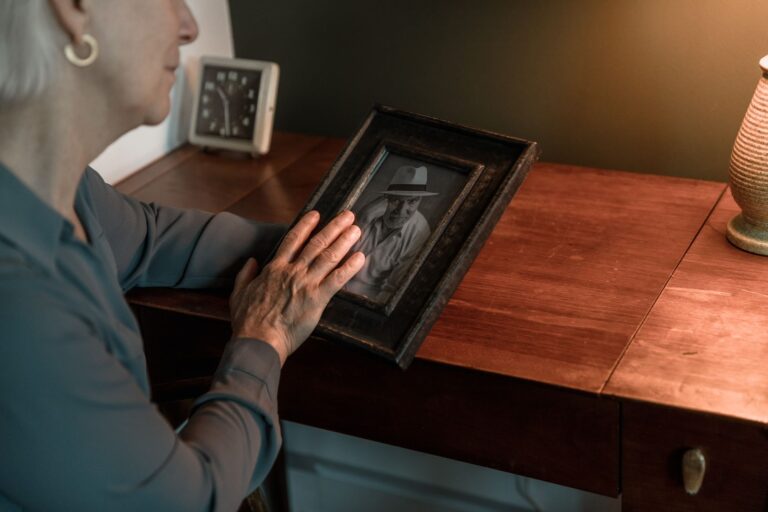
Handwritten journals can mean everything to families facing dementia because they preserve a person's words, preferences, and stories in a form relatives can revisit. They may also support conversation and daily organization when memory loss makes familiar connections harder to reach. Dementia is cognitive loss severe enough to disrupt daily life and may eventually cause dependence for basic activities. A journal cannot stop that progression, but it can help keep the person—not only the diagnosis—at the center of care.
Medical information disclaimer: This article is for general educational purposes only and does not provide medical advice, diagnosis, or treatment. Always consult a physician or other qualified health professional about symptoms, medications, tests, or treatment decisions.
Table of Contents
- What can a journal give a family?
- What does the evidence actually show?
- Journal or life-story book?
- How can families make the journal useful?
- When should families pause?
What can a journal give a family?
A journal can gather details that otherwise become scattered: favorite stories, important relationships, routines, celebrations, comforting subjects, and practical wishes. Relatives can use those details to begin conversations or help care staff understand the individual. The pages may also preserve the writer's humor, phrasing, and priorities.
That personal value does not depend on whether the journal improves memory or produces a measurable health benefit. Handwriting itself is not the proven ingredient. Current evidence does not show that handwritten material works better than typed pages, photographs, music, or recordings. The meaningful part is the personal content and how people use it.
What does the evidence actually show?
Most research concerns life-story work and reminiscence rather than ordinary journals. A life-story book is an organized collection of memories used to prompt recall and conversation. A 2023 PLOS ONE review found only seven eligible studies; six reported improved communication, but methods varied widely. The broader evidence comes from reminiscence therapy, which uses prompts such as photographs or music to discuss memories.
A Cochrane review found possible small benefits, but results were inconsistent and depended on the format and setting. Families should therefore judge a journal by realistic goals. It may open a conversation, help someone recognize a familiar story, or give relatives a way to spend time together. It is not a cure, a dependable way to restore cognition, or proof that the person will remember an event later.
Journal or life-story book?
A journal usually records thoughts or events over time, often in the writer's own words. A life-story book is deliberately assembled for the person, relatives, or care staff and may combine short text with photographs and other prompts. One format does not have to replace the other.
Existing journal entries can supply stories for a shorter, easier-to-use life-story book. A family might select one page about childhood, add labeled photographs, and include a few simple conversation prompts. Keep the original journal intact if its privacy and emotional importance matter. A separate working copy lets the family choose appropriate material without turning every personal entry into shared care information.
How can families make the journal useful?
Start while the person can choose what to write, include, or share. Aim for short, clear entries rather than a complete autobiography.
A notebook can also serve a different purpose during early-stage dementia. The National Institute on Aging recommends writing appointments, events, and to-do lists, making it an organizational aid rather than a treatment.
- Record names and relationships beside photographs.
- Note favorite places, music, celebrations, foods, and routines.
- Include stories the person enjoys telling.
- Add practical preferences, such as subjects that comfort or upset them.
- Date entries and leave space for later additions.
When should families pause?
Memory prompts can uncover grief, trauma, conflict, or information the writer considered private. Do not insist on finishing a story, correcting every detail, or testing whether the person remembers accurately. A 2021 randomized trial excluded people with past psychological trauma, and one participant left because sharing memories felt too private.
The same trial found no significant improvement in neuropsychiatric symptoms, underscoring the need for modest expectations. Stop or change the subject if the person appears distressed or asks not to continue. Store private journals securely, decide who may read them, and treat consent as ongoing rather than permanent.