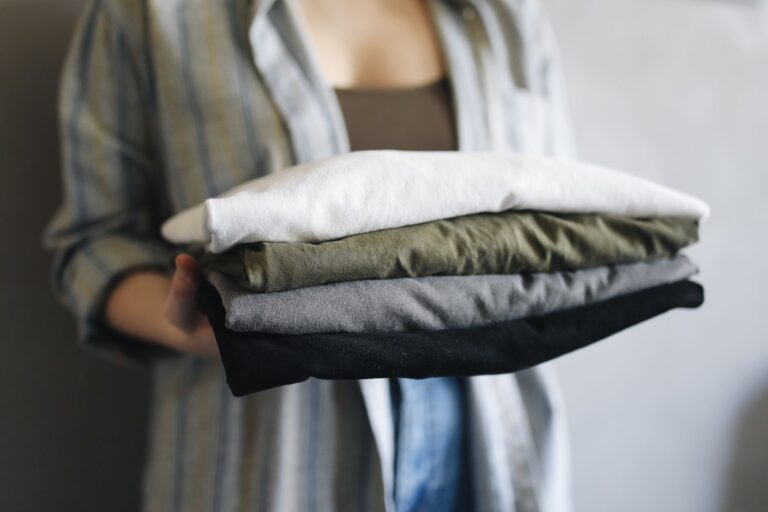
Holding a familiar piece of clothing may offer a person with Alzheimer's comfort, connection, or an opening for conversation. Small moments matter because they respect the person's preferences without demanding that they remember anything. The garment is a prompt, not a treatment. Its value depends on the person's response in that moment, so caregivers should follow their cues rather than pursue a particular reaction.
Medical information disclaimer: This article is for general educational purposes only and does not provide medical advice, diagnosis, or treatment. Always consult a physician or other qualified health professional about symptoms, medications, tests, or treatment decisions.
Table of Contents
- What can a familiar garment offer?
- What does the evidence show?
- How should a caregiver try it?
- When clothing is part of daily care
What can a familiar garment offer?
Alzheimer's disease is the most common dementia. It is a progressive brain disorder that damages memory and thinking and eventually interferes with daily activities, according to the National Institute on Aging. A worn cardigan, work shirt, scarf, or team jacket may feel recognizable.
The item might prompt a story, a smile, a comment about its texture, or no visible response at all. The immediate goal is meaningful engagement, not a memory test. Quietly holding or examining the garment can still be worthwhile if the person appears comfortable.
What does the evidence show?
Using objects to invite memories or conversation fits within reminiscence care. Tangible prompts may help evoke memories, but they do not restore memory lost to Alzheimer's disease. A Cochrane review of reminiscence therapy examined 22 trials involving 1,972 people.
Possible benefits varied according to the outcome, setting, and whether activities occurred individually or in groups. Overall effects were small and inconsistent. No trial established that holding a particular garment treats Alzheimer's or reliably reduces distress, as the full Cochrane review makes clear. A positive response should be welcomed, but not treated as proof that the activity will work again.
How should a caregiver try it?
Choose an item the person actually knows or once preferred. The National Institute on Aging recommends matching activities to current abilities, helping the person begin, watching for frustration, and allowing observation instead of participation in its guide to adapting activities.
Do not insist on a story or ask repeated questions. The person may prefer touching the fabric, watching someone fold it, or simply sitting near it.
- Place the garment within easy reach rather than pressing it into the person's hands.
- Offer a simple observation, such as, "This feels soft."
- Pause and allow time for any response.
- Avoid correcting names, dates, or details.
- Put the item away if the person pulls back, becomes tense, or seems frustrated.
When clothing is part of daily care
Clothing also affects routine and independence. During dressing, offer manageable choices and allow the person to do as much as possible without turning the task into a test.
A familiar outfit may reduce decisions or help preserve personal preference. However, a sentimental garment may be uncomfortable, difficult to put on, or unsuitable for regular dressing even if the person enjoys holding it. If the person repeatedly chooses the same clothes, the National Institute on Aging's dressing guidance suggests considering several identical sets while continuing to support independence.