Reviewed by the Help Dementia Editorial Team — our editors review every article for accuracy against guidance from the National Institute on Aging, the Alzheimer’s Association, and peer-reviewed sources.
Kale may indeed deserve consideration as one of the most important brain foods for adults over 65. Research published by Tufts University and supported by the National Institute on Aging shows that people who consume 1.3 servings of leafy greens daily—like kale, spinach, or collard greens—have cognitive abilities equivalent to being 11 years younger than those eating minimal greens. For a 70-year-old regularly eating kale, this research suggests their brain may function more like a 59-year-old’s.
That’s not a cure-all, but it’s a measurable difference that emerges from something as simple as what you put on your plate. What makes this finding particularly compelling is that the cognitive benefit comes from something accessible, affordable, and available year-round. A grandmother who adds one serving of kale to her diet might not reverse memory changes she’s already experienced, but the research suggests she could slow the rate of cognitive decline going forward. The effect isn’t magic—it’s the cumulative work of nutrients that your aging brain still needs to function at its best.
Table of Contents
- Why Leafy Greens Like Kale Are Uniquely Protective for the Aging Brain
- How Vitamin K and Kaempferol Work to Reduce Dementia Risk
- The MIND Diet: How Kale Fits Into a Brain-Protective Eating Pattern
- How Much Kale Do You Actually Need for Brain Benefits?
- Medication Interactions and Warfarin Warnings
- How Kale Compares to Spinach, Collards, and Other Brain-Healthy Greens
- What Future Research Might Tell Us About Kale and the Aging Brain
- Conclusion
Why Leafy Greens Like Kale Are Uniquely Protective for the Aging Brain
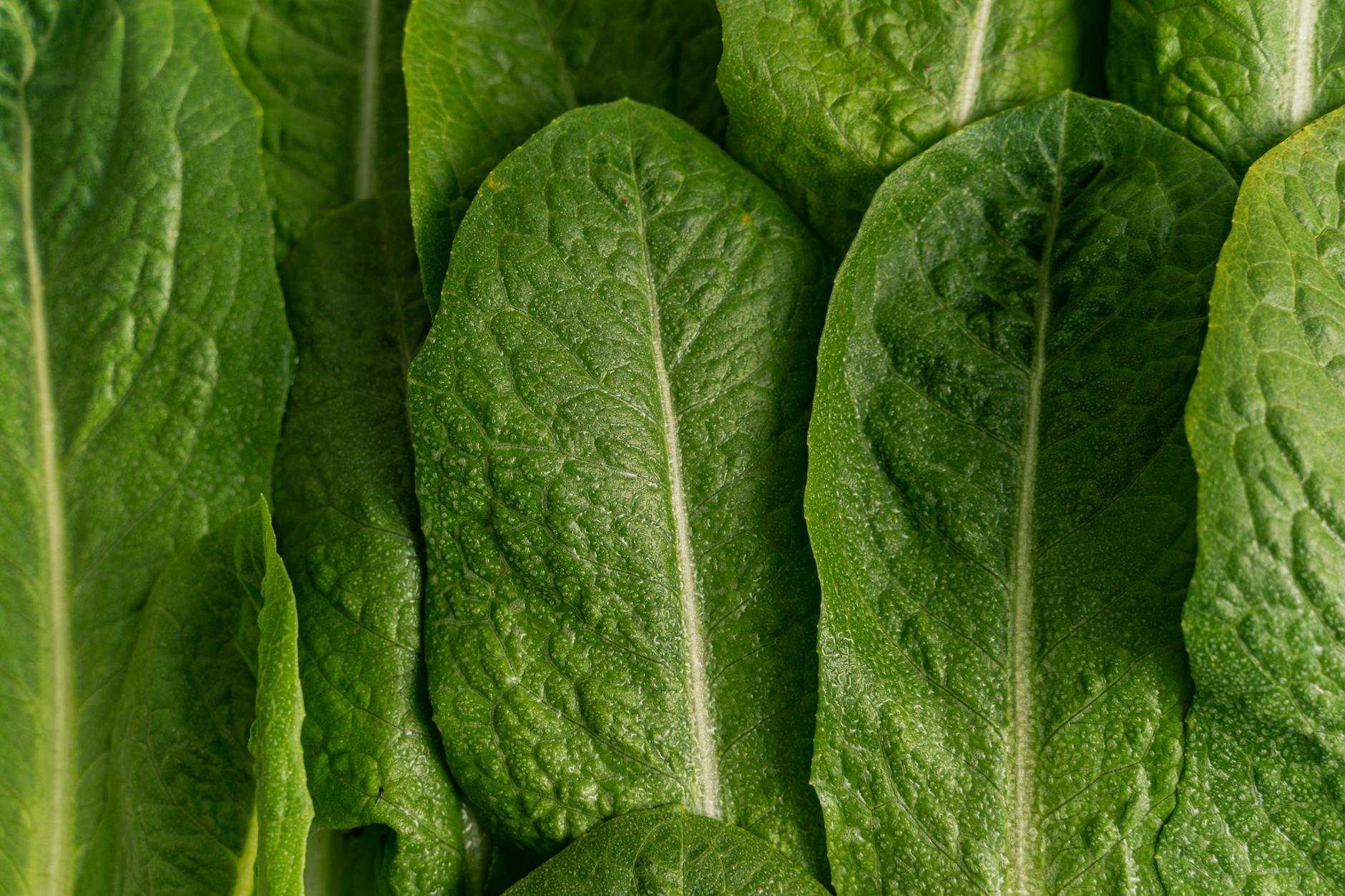
The brain doesn’t age in isolation. As we reach our sixties and beyond, our brains face a combination of challenges: oxidative stress from normal cellular metabolism, inflammation from the aging process itself, and the gradual loss of brain cells that no one escapes. Kale addresses these challenges directly because it’s packed with compounds your brain specifically needs to defend itself. Lutein, vitamin K, folate, alpha-tocopherol, and beta-carotene are all found in kale, and each plays a role in maintaining cognitive function. The distinction between kale and many other foods is its concentration of these protective nutrients.
You could eat an apple, a bowl of regular lettuce, or a steak, but none would give you the same combination of brain-protective compounds in a single serving. A cup of raw kale provides roughly 1060 micrograms of lutein—a nutrient that directly accumulates in the brain and protects neurons from damage. That same cup offers 1062 micrograms of vitamin K, which emerging research shows is critical for brain function. Compare this to a carrot, which has lutein but much lower vitamin K, or chicken breast, which has neither. This is why the Tufts researchers specifically highlighted kale and other dark leafy greens, not just any vegetable.
How Vitamin K and Kaempferol Work to Reduce Dementia Risk
A 2025 study from Tufts deepened our understanding of how vitamin K specifically affects the aging brain. Researchers found that higher brain vitamin K concentrations are associated with lower odds of dementia and mild cognitive impairment. This isn’t just a correlation—the mechanism matters. Vitamin K activates proteins that help remove harmful compounds from your brain and support the function of neurons that have been under stress. It’s one of the few nutrients where the research has moved from “people who eat this live longer” to “here’s actually how it works.” kale also contains kaempferol, a compound that research has linked to a 51% reduction in Alzheimer’s disease risk in study participants. That’s a substantial protective effect.
However, it’s important to be clear about what this means and what it doesn’t. These observational studies show associations—people who eat more kaempferol-rich foods have lower Alzheimer’s rates—but they don’t prove that the kaempferol itself prevents Alzheimer’s. The National Institute on Aging notes explicitly that there is no definitive evidence that eating or avoiding any specific food can prevent Alzheimer’s disease. Current evidence comes from observational studies that require further research. This is a crucial limitation to understand, especially if you’re hoping kale might reverse memory loss you’ve already experienced. What the evidence does support is that regular consumption may slow the process of cognitive decline.
The MIND Diet: How Kale Fits Into a Brain-Protective Eating Pattern
Kale doesn’t work alone. Research on more than 900 dementia-free older adults found that closely following the MIND diet—a eating pattern that emphasizes leafy greens, along with nuts, fish, beans, whole grains, and limited red meat—was associated with reduced Alzheimer’s risk and slower cognitive decline. The MIND diet essentially treats your brain as an organ worth feeding intentionally, the way a runner fuels their body before a marathon. In the MIND diet framework, kale functions as an anchor vegetable.
One serving of kale at dinner, a small portion mixed into eggs at breakfast, or added to a soup means you’ve already contributed significantly to your daily recommendation of leafy greens. The diet recommends at least one serving of green leafy vegetables daily, and multiple servings (up to six per week) are encouraged for maximum benefit. A 75-year-old who follows this pattern isn’t depending on kale alone to protect their brain—they’re building a dietary foundation that addresses cognitive health from multiple angles. The whole diet working together appears more protective than any single food in isolation.
How Much Kale Do You Actually Need for Brain Benefits?
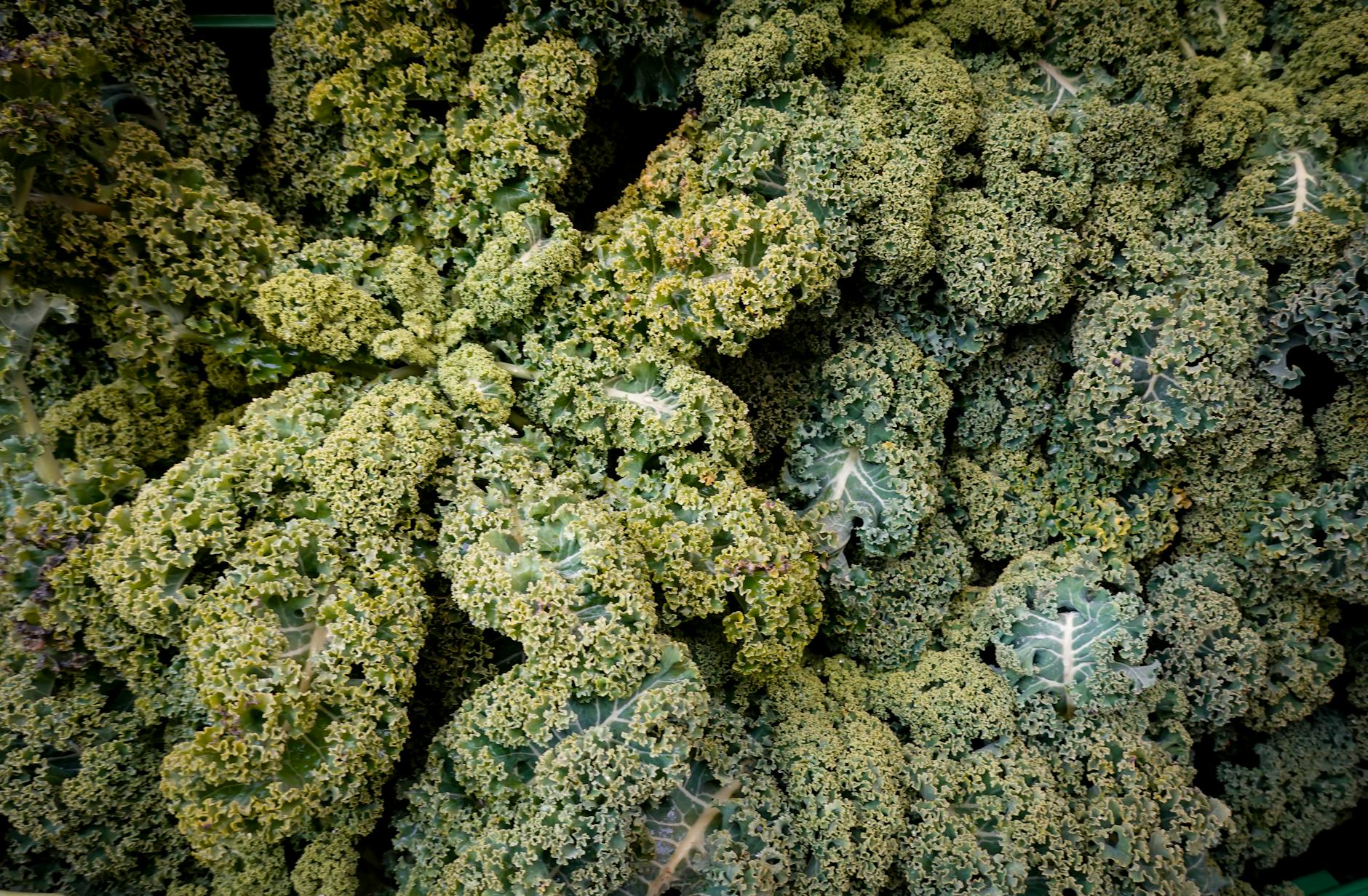
The good news is that you don’t need to eat enormous quantities of kale to see potential cognitive benefits. The research showing the 11-year cognitive age difference was based on people eating about 1.3 servings of leafy greens daily. A serving is roughly one cup of raw kale or half a cup of cooked kale. For many people, this is manageable: a small side salad at lunch or a handful of kale added to dinner. You don’t need kale at every meal or in massive quantities.
However, consistency matters more than perfection. Eating a large bowl of kale once a week is less likely to provide cognitive benefits than eating a modest portion three to four times weekly. The protective compounds in kale—the vitamin K, the lutein, the kaempferol—work by accumulating in your brain tissue over time. Think of it as making deposits into a brain health savings account rather than a one-time lump sum. A 68-year-old who adds kale to her routine and maintains that habit for years is more likely to experience the protective effects than someone who eats a kale salad occasionally. The comparison is similar to exercise: the person who walks 30 minutes daily typically sees better health outcomes than someone who runs intensely once a month.
Medication Interactions and Warfarin Warnings
Here’s where being honest about limitations matters. If you take warfarin (Coumadin) or other blood-thinning medications, you cannot simply start eating large quantities of kale without consulting your doctor. Kale’s high vitamin K content can interfere with how warfarin works. Vitamin K helps your blood clot, which is the opposite of what warfarin is designed to prevent. Someone on warfarin could eat kale, but the amount needs to be consistent and coordinated with their medication management.
Suddenly doubling your kale intake could affect your blood’s ability to clot properly, which carries real risks. This isn’t an argument against eating kale if you take warfarin—it’s an argument for having a conversation with your healthcare provider about what amount of kale-containing foods is safe for you. Some doctors recommend their patients on warfarin maintain a consistent level of vitamin K intake rather than avoiding it entirely. Others may recommend limited consumption. The point is that kale, despite its brain health benefits, isn’t universally appropriate without medical consideration. Adults over 65 are more likely to take blood-thinning medications, so this is a particularly relevant caution for your age group.

How Kale Compares to Spinach, Collards, and Other Brain-Healthy Greens
Kale gets attention, but it’s not the only leafy green offering brain protection. Spinach and collard greens contain similarly high levels of vitamin K, lutein, and folate. In fact, spinach has slightly higher lutein content than kale in most varieties. The cognitive research from Tufts and the National Institute on Aging included all dark leafy greens—kale, spinach, and collard greens—in their observations about the 11-year cognitive age benefit. The difference between these greens is largely one of taste preference and culinary application rather than cognitive benefit.
This is important because many people find kale’s texture and slightly bitter taste challenging, especially when raw. If you can’t consistently eat kale, spinach wilts easily into omelets or soups, and collard greens have a milder flavor that some find more palatable. The cognitive protection you’re seeking comes from eating leafy greens regularly, period. If spinach is what you’ll actually eat, spinach is the better choice than kale you’ll avoid. The best brain food is the one you’ll include in your diet consistently.
What Future Research Might Tell Us About Kale and the Aging Brain
The 2025 Tufts research on vitamin K represents the kind of detailed mechanistic research that moves nutrition science beyond simple associations. Rather than just observing that people who eat kale have less cognitive decline, researchers are beginning to understand exactly how vitamin K affects brain cells and protects against neurological disease. This kind of research is essential for eventually developing more targeted interventions—whether that’s supplements, medications, or simply knowing with greater confidence what foods genuinely protect the aging brain. That said, we’re still in the early chapters of understanding diet’s role in cognitive health.
Future research may reveal that certain forms of vitamin K are more brain-protective than others, or that other compounds in kale we haven’t yet studied carefully are actually doing much of the protective work. It’s possible that the benefits are even larger than current research suggests, or that they apply differently to different populations. This uncertainty is why the National Institute on Aging maintains its cautious stance: the evidence is promising, but not yet definitive. If you’re eating kale or other leafy greens to support your brain health, you’re making a choice based on strong suggestive evidence and low risk—which is reasonable, even without absolute proof.
Conclusion
Kale’s role as a brain food for adults over 65 rests on genuine research showing that regular consumption of leafy greens is associated with measurable cognitive preservation. The combination of vitamin K, kaempferol, lutein, and other protective compounds makes kale a uniquely nutrient-dense choice for anyone concerned about maintaining mental sharpness in their later decades. The research doesn’t promise a cure or guarantee that kale will prevent cognitive decline, but it does show a consistent association between eating leafy greens and having a brain that functions more robustly than we might expect from someone of the same age.
If you’re over 65 and concerned about cognitive health, adding one serving of kale or another dark leafy green to your daily routine is a simple, low-cost intervention backed by research from respected institutions like Tufts University and the National Institute on Aging. Talk to your doctor if you take blood-thinning medications, maintain the habit consistently rather than eating erratically, and remember that kale works best as part of a broader brain-healthy diet that includes nuts, fish, whole grains, and other protective foods. Your brain at 70 can function like a brain at 59—not through a single food, but through the choices you make at the table every day.