Reviewed by the Help Dementia Editorial Team — our editors review every article for accuracy against guidance from the National Institute on Aging, the Alzheimer’s Association, and peer-reviewed sources.
Most important sits at the center of this dementia and brain health question.
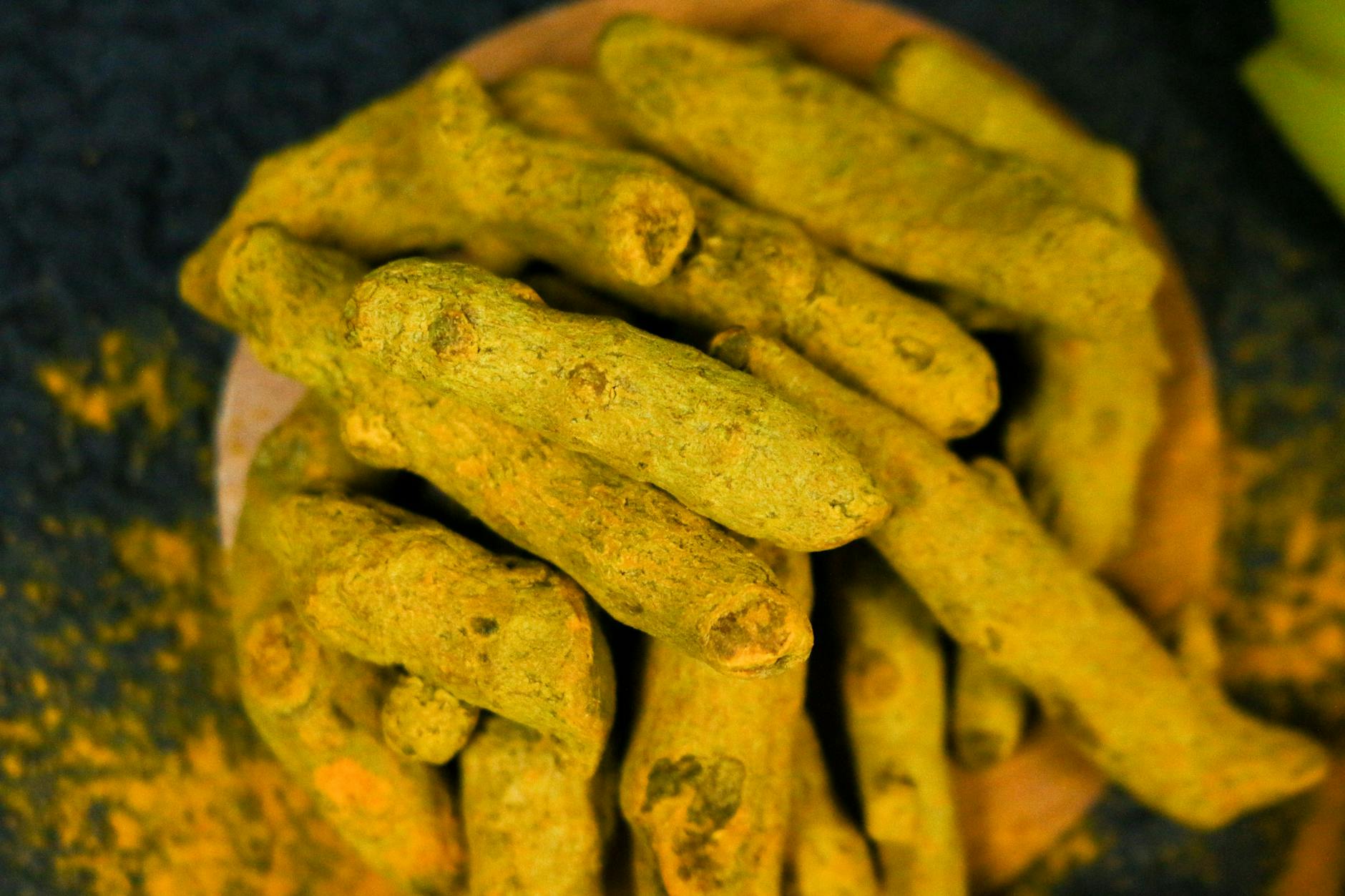
Research suggests turmeric could matter more than many other foods for protecting your brain as you age, but perhaps not for the reasons you’ve heard on social media. A rigorous UCLA study found that adults over 50 taking 90mg of curcumin—turmeric’s active compound—twice daily experienced a 28% improvement in memory over 18 months. More importantly, brain imaging showed these participants had significantly lower levels of beta-amyloid and tau in critical memory regions, the two hallmarks of Alzheimer’s disease pathology. This isn’t a marketing claim; it’s documented evidence from a double-blind, placebo-controlled trial published in peer-reviewed research.
For adults over 65 concerned about cognitive decline, this finding raises a practical question: Could something as simple and affordable as turmeric supplementation genuinely protect brain function? The answer is more nuanced than a simple yes. While a 2025 meta-analysis of nine randomized controlled trials involving 501 participants confirmed that curcumin supplementation significantly improved global cognitive function, there’s a critical catch—the benefits only appeared at specific doses, sustained over at least 24 weeks, in adults aged 60 and older. The research also reveals substantial limitations: curcumin has notoriously poor absorption in the body, meaning much of what you take doesn’t reach your brain. Some studies show inconsistent results across different cognitive domains. Yet despite these complications, the evidence is strong enough that turmeric deserves serious consideration as part of a brain health strategy for older adults.
Table of Contents
- How Does Turmeric Actually Protect the Aging Brain?
- What the Research Actually Shows—And the Bioavailability Problem That Limits It
- The Real-World Evidence: Why India Has Lower Rates of Alzheimer’s
- Choosing an Effective Dose and Form—Navigating the Options
- Safety Considerations and Why Mild Side Effects Matter
- The Curry Connection: How Food Patterns Offer Additional Insights
- What This Means for Brain Health in the Decade Ahead
- Conclusion
How Does Turmeric Actually Protect the Aging Brain?
The mechanism matters because it explains why turmeric might work differently than vitamins or other supplements. curcumin appears to target the specific proteins that accumulate in Alzheimer’s disease. The UCLA researchers found measurable reductions in both amyloid-beta and tau proteins in the brains of participants taking curcumin—these aren’t slight changes on a blood test, but visible differences on imaging of the actual brain tissue. Beyond protein clearance, curcumin acts as an anti-inflammatory agent, and chronic inflammation is increasingly recognized as a driver of cognitive decline in aging. When your brain experiences years of low-grade inflammation, neurons gradually lose function and connections weaken.
Curcumin appears to dampen this inflammatory process. The scale of scientific interest in this mechanism is telling. Researchers worldwide have published over 1,000 peer-reviewed studies examining curcumin’s effects on Alzheimer’s disease and related conditions. This research volume exists for a reason—the compound shows biological activity that researchers believe could slow cognitive decline. However, it’s important to note that most of these studies remain in early phases. While the UCLA trial represents some of the most rigorous human evidence available, a 28% improvement in memory, though real, represents a modest effect compared to what some marketing claims suggest.
What the Research Actually Shows—And the Bioavailability Problem That Limits It
A critical limitation must be stated plainly: curcumin exhibits poor oral bioavailability in humans. This technical phrase means that when you take turmeric by mouth, your body rapidly metabolizes and eliminates much of it before it can reach your brain. The compound has low solubility in water and struggles to cross the blood-brain barrier effectively. In practical terms, if you take a standard turmeric supplement, a substantial portion never reaches the tissue where you need it. This limitation doesn’t eliminate turmeric’s potential, but it does explain why dose and duration matter enormously—you need enough to overcome these absorption barriers, and you need to maintain consistent intake over months for benefits to accumulate.
The 2025 meta-analysis identified a specific threshold: 0.8 grams per day appeared optimal for cognitive benefits, and trials shorter than 24 weeks showed no significant improvements. This finding matters for realistic expectations. Unlike medications that take days or weeks to work, curcumin requires patience. You’re asking your body to gradually clear troublesome proteins and reduce inflammation over six months or longer. The UCLA study used 90mg of curcumin twice daily—180mg total, which is a lower dose than the meta-analysis optimal dose suggested, yet still showed benefits. Several other randomized controlled trials reported inconsistent results, with benefits appearing in some cognitive tests but not others, suggesting the effect may be domain-specific rather than broadly improving all types of thinking.
The Real-World Evidence: Why India Has Lower Rates of Alzheimer’s
Population studies provide a different kind of evidence than laboratory research, and they tell a complementary story. Senior citizens in India, where curcumin is a dietary staple through regular curry consumption, show lower prevalence of Alzheimer’s disease and better cognitive performance compared to other populations. A Singapore study tracking older adults aged 60 and over found that those who consumed curry “occasionally,” “often,” or “very often” scored significantly better on cognitive tests than those who “never” or “rarely” ate curry. This correlation doesn’t prove causation—diet is just one factor among many that differ between populations—but it aligns with the laboratory findings.
The curry example is particularly instructive because it highlights a practical reality: whole curry preparations contain turmeric mixed with other spices and fats that may improve curcumin absorption in ways that isolated supplements cannot. When turmeric is consumed with black pepper (which contains piperine) or with dietary fat, absorption improves substantially. This may partly explain why the epidemiological evidence from curry-consuming populations appears robust, while some isolated curcumin supplement trials show weaker results. For someone over 65 considering turmeric for brain health, this suggests that both supplementation and dietary incorporation through curry might be complementary approaches.

Choosing an Effective Dose and Form—Navigating the Options
The UCLA study used a specific dose—90mg of curcumin twice daily—that produced measurable results. However, this dose is relatively modest compared to many commercial supplements you’ll find online, which often contain 500mg to 2,000mg per serving. The meta-analysis suggesting 0.8g daily (800mg) creates a practical question: what dose should you actually take? The honest answer is that optimal dosing remains somewhat unclear because most studies used different amounts. What we know is that effective doses require sustained intake—you can’t expect benefits from occasional use or from taking it for a few weeks. Form matters significantly due to the bioavailability problem discussed earlier.
Standard turmeric powder has notoriously low absorption, sometimes retaining less than 5% bioavailability even when consumed with fat. This is why many supplements now use enhanced formulations—some contain piperine to improve absorption, others use liposomal delivery or nano-particle technology to help curcumin cross cellular barriers more effectively. These enhanced formulations cost more but actually deliver more active curcumin to your bloodstream and brain. For adults over 65, choosing an enhanced or bioavailability-optimized curcumin supplement likely makes more practical sense than buying inexpensive turmeric powder, despite the higher price. The comparison is analogous to choosing a more expensive supplement with demonstrated absorption over a cheaper version that most of your body cannot effectively utilize.
Safety Considerations and Why Mild Side Effects Matter
The UCLA study provides one of the clearest safety assessments available: among 40 participants taking curcumin, 4 experienced mild side effects including abdominal pain and nausea, compared to 2 participants in the placebo group. This safety profile is generally favorable, yet it’s important to understand that “mild” side effects can be meaningful for someone managing multiple health conditions. Turmeric can interact with blood-thinning medications, increase bleeding risk in those already taking anticoagulants, and may affect blood sugar levels in people with diabetes. For adults over 65, who often take multiple medications, these interactions warrant discussion with a healthcare provider before beginning curcumin supplementation.
Another limitation worth stating directly: the benefits shown in research are measurable but modest. The 28% improvement in memory from the UCLA study translates to meaningful improvement on cognitive testing but would not reverse diagnosed dementia or eliminate normal age-related memory changes. Turmeric appears positioned as a preventive agent—something that might slow decline in people with normal cognition or mild memory complaints—rather than a treatment for existing dementia. Additionally, because most studies focused on participants without diagnosed cognitive disease, we have less clarity about whether curcumin helps people who already have cognitive decline. This distinction matters for setting realistic expectations.

The Curry Connection: How Food Patterns Offer Additional Insights
The Singapore study revealing better cognitive outcomes among curry consumers points to a broader reality about diet and brain health in aging. People who regularly consume curry typically eat other brain-healthy foods as well—fish, vegetables, and nuts appear more frequently in curry-consuming cuisines than in typical Western diets. This dietary pattern matters, suggesting that turmeric’s benefit may be partially enhanced by other foods in the same eating pattern. A person taking a curcumin supplement while eating primarily processed foods might see less benefit than someone incorporating turmeric into a diet rich in vegetables, omega-3 fatty acids, and whole grains.
For practical application, this suggests an integrated approach rather than relying on supplementation alone. Incorporating turmeric into actual meals—adding it to curry dishes, soups, or rice—combines the curcumin with dietary fats that enhance absorption, plus whatever synergistic benefit whole foods provide. Many older adults find this more sustainable than remembering to take supplements. Whether you choose supplementation, dietary incorporation, or both, the evidence suggests consistency over months matters far more than the specific method chosen.
What This Means for Brain Health in the Decade Ahead
Research on turmeric and curcumin continues to evolve, with ongoing trials investigating enhanced formulations, optimal dosing, and whether earlier intervention produces greater protective benefits. The bioavailability problem that currently limits effectiveness may yield to improved delivery technologies—liposomal and nano-particle formulations show promise but require further large-scale testing. Future research will likely clarify whether turmeric works best as prevention for people with normal cognition, whether it helps people with mild cognitive impairment, and what combination with other interventions produces optimal outcomes.
For the present moment, the evidence suggests turmeric merits consideration as part of a comprehensive brain health strategy for adults over 65, particularly those with family history of dementia or personal concerns about memory changes. The research is genuine, the safety profile is reasonable, and the mechanism is biologically plausible. However, turmeric is neither a cure nor a guarantee—it’s one evidence-supported dietary intervention that appears to modestly reduce some markers of cognitive decline in some people when used consistently over extended periods.
Conclusion
The evidence that turmeric could be an important brain food for adults over 65 rests on solid ground, particularly the UCLA study showing 28% memory improvement and reduced brain protein markers associated with Alzheimer’s disease, combined with the 2025 meta-analysis demonstrating cognitive benefits at 0.8g daily when used for 24 weeks or longer. The epidemiological evidence from curry-consuming populations adds real-world credibility to laboratory findings.
However, supporting evidence requires acknowledging real limitations: curcumin’s poor bioavailability, inconsistent results across different studies, modest effect sizes, and the necessity of sustained use over many months before benefits appear. If you’re considering turmeric for brain health, three practical steps emerge from the research: first, choose a bioavailability-enhanced supplement rather than standard turmeric powder if using supplementation, based on evidence that absorption improvements directly increase effectiveness; second, commit to consistent use over at least six months rather than expecting rapid results; third, discuss supplementation with your healthcare provider if you take blood thinners, diabetes medications, or other substances that might interact with curcumin. Whether through supplementation, curry consumption, or both, turmeric deserves a place in conversations about protecting cognitive function as you age—not as a miraculous solution, but as an evidence-supported approach with genuine potential for modest protective benefit.
You Might Also Like
- Why wild blueberries Could Be the Most Important Brain Food for Adults Over 50
- Why walnuts Could Be the Most Important Brain Food for Adults Over 70
- Why sardines Could Be the Most Important Brain Food for Adults Over 40
For more, see NIH MedlinePlus — cognitive testing.