Reviewed by the Help Dementia Editorial Team — our editors review every article for accuracy against guidance from the National Institute on Aging, the Alzheimer’s Association, and peer-reviewed sources.
Dark chocolate sits at the center of this dementia and brain health question.
Dark chocolate could be the most important brain food for adults over 50 because it contains specific compounds—called cacao polyphenols—that directly protect cognitive function, improve memory, and slow the progression of age-related brain decline. Recent clinical research shows that a single 25-gram serving of dark chocolate with 635 milligrams of cacao polyphenols significantly improves concentration and cognitive performance, particularly during mentally demanding tasks, outperforming low-polyphenol chocolate by a measurable margin. For adults worried about dementia or memory loss, this isn’t marketing hype—it’s backed by controlled trials and brain imaging studies showing that dark chocolate actually changes how efficiently your brain processes information. What makes dark chocolate stand out among other foods is the magnitude of the effect and the consistency of results across multiple studies.
Unlike supplements that fade in and out of popularity, dark chocolate offers a dual benefit: the neurological protection you need as you age, plus the satisfaction of eating something you actually enjoy. A December 2024 study from Georgia State University’s nursing and health professions program confirmed that dark chocolate consumption reduces fatigue and improves brain health in middle-aged adults, adding to a growing body of evidence that this isn’t a passing trend in brain health research. The key is understanding which dark chocolates actually work. Not all dark chocolate is created equal—the polyphenol content varies dramatically, and only high-polyphenol varieties (635 mg or higher per serving) show the brain protection effect in studies. This distinction matters because it separates the science from the justification people use to eat chocolate guilt-free.
Table of Contents
- How Dark Chocolate Protects Your Brain After 50
- How Much Dark Chocolate You Need, and What Type Actually Works
- Memory Enhancement and Executive Function in the Brain Over 50
- Implementing Dark Chocolate Into Your Daily Brain Health Routine
- The Quality Gap—Why Some Dark Chocolate Won’t Give You Brain Benefits
- Dark Chocolate and Dementia Prevention—What the Evidence Actually Shows
- The Future of Chocolate and Brain Health Research
- Conclusion
How Dark Chocolate Protects Your Brain After 50
The neurological protection dark chocolate provides comes from how cacao flavonoids interact with your brain tissue, specifically accumulating in the hippocampus—the region responsible for forming new memories and learning. Once there, these compounds promote neurogenesis (the growth of new brain cells) and improve blood flow throughout the brain, which is critical because reduced blood flow contributes to both cognitive decline and dementia risk as we age. A systematic review analyzing 19 studies (9 observational and 10 interventional trials) found that consuming just 240 milligrams of dietary cocoa flavonoids daily reduced the progression of mild cognitive impairment to full dementia, making it one of the few dietary interventions with measurable preventative power. A 2023-2024 study using fMRI brain imaging demonstrated the mechanism in action: when healthy middle-aged participants consumed high-polyphenol dark chocolate (635 mg), their brains showed more efficient activity during cognitive tasks compared to those eating low-polyphenol chocolate.
The difference wasn’t subtle—the brains of dark chocolate consumers were working smarter, not harder, using less neural energy to achieve the same cognitive results. This efficiency matters because as we age, the brain’s metabolic capacity declines; anything that improves how your brain uses its available energy is genuinely neuroprotective. The limitation worth acknowledging: the protective effects appear strongest in people with normal cognitive function or mild cognitive impairment, not in advanced dementia. Dark chocolate isn’t a treatment for someone already experiencing significant memory loss, though it may prevent you from reaching that stage if you start consuming it early enough.
How Much Dark Chocolate You Need, and What Type Actually Works
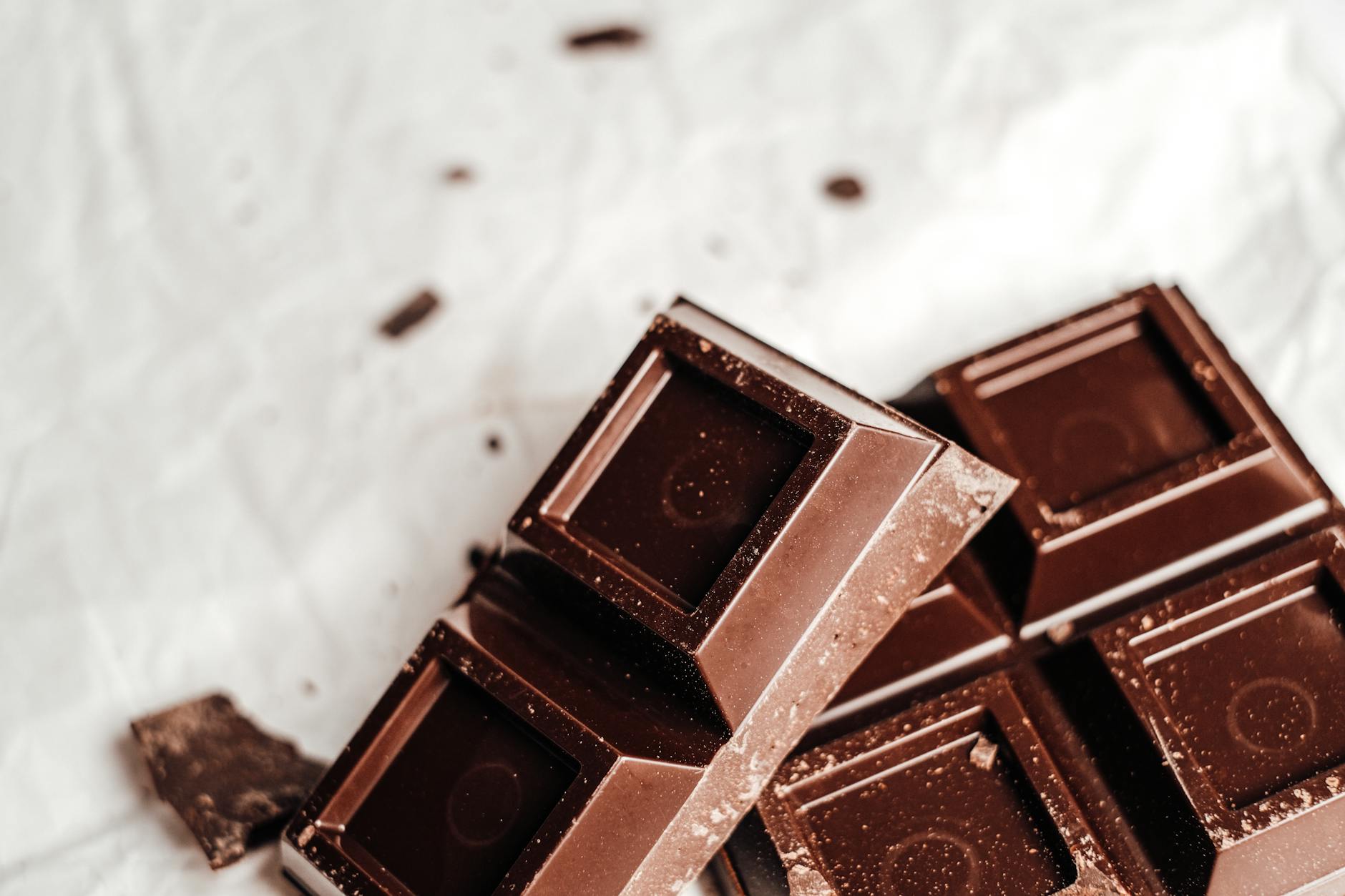
A randomized controlled trial published in January 2024 tested different polyphenol concentrations and found clear results: 635 milligrams of cacao polyphenols significantly protected cognitive performance and concentration, while chocolate with only 211.7 milligrams showed no protective effect. This is the critical data point to remember when shopping—you’re not looking for “dark chocolate” generally, but specifically chocolate with polyphenol content listed on the label (though most manufacturers don’t list this yet). A practical guideline: aim for chocolate that’s at least 72% cacao, which typically contains the higher polyphenol levels needed for the brain benefit. The dose-response research provides a practical serving size: a 25-gram piece of high-polyphenol dark chocolate appears to be the optimal amount for cognitive benefit, not a large bar that tips into excess calories.
Additionally, a study with 88 healthy middle-aged adults (ages 40-65) found that consuming 5 pieces of 72% dark chocolate daily for 4 weeks reduced both mental and physical fatigue while improving executive function, memory, and gray matter volume. This suggests consistency matters—daily consumption appears more protective than occasional indulgence. One important limitation: the cognitive improvements appear within hours of consumption (one study showed memory enhancement two hours after eating 35 grams of 70% cocoa chocolate) but require regular consumption to provide lasting neuroprotection. If you eat dark chocolate once and expect your memory to improve permanently, you’ll be disappointed. The brain health benefit comes from making it a consistent habit, similar to how exercise protects your heart only if you keep exercising.
Memory Enhancement and Executive Function in the Brain Over 50
A controlled study demonstrated that a standard 35-gram serving of 70% cocoa dark chocolate improved verbal episodic memory two hours after consumption compared to white chocolate in healthy adults. Verbal episodic memory—remembering conversations, names, and specific events—is often the first type of memory to fade as we age, making this specific benefit particularly relevant for anyone over 50. The improvement wasn’t marginal; it was measurable in clinical testing, suggesting that the timing of chocolate consumption matters: eating it before a mentally demanding day, important social gathering, or when you need to remember specific information might provide real, practical benefit. Executive function—your ability to plan, organize, make decisions, and shift between tasks—also improves with regular dark chocolate consumption according to the Georgia State University research and supporting studies.
For someone managing medications, appointments, finances, or caregiving responsibilities, this improvement in executive function has real-world impact beyond laboratory testing. An older adult with better executive function might remember to take medications on time, manage their calendar more effectively, or make better health decisions. The example worth considering: if you’re struggling with concentration while reading, managing bills, or organizing your week, eating a piece of high-polyphenol dark chocolate 30-60 minutes before these tasks might measurably improve your cognitive sharpness. However, this doesn’t replace sleep, physical exercise, or managing other brain health factors like blood pressure and diabetes—dark chocolate amplifies your brain’s capacity, but it doesn’t substitute for the foundational health habits that protect it.

Implementing Dark Chocolate Into Your Daily Brain Health Routine
The most practical approach is treating dark chocolate as a scheduled part of your cognitive health strategy, similar to taking a vitamin or exercising. Rather than treating it as a treat to enjoy “sometimes,” integrate a small daily serving into your routine—perhaps right after breakfast or in the afternoon when concentration typically dips. A 25-gram serving (about one square of a standard dark chocolate bar) or 5 small pieces daily for 4 weeks showed measurable improvements in fatigue and brain function in the research, providing a clear target to aim for. Where dark chocolate compares favorably to other brain foods is in consistency and enjoyment factor.
While you should certainly also eat blueberries, walnuts, and omega-3-rich fish—all with their own brain-protective properties—dark chocolate offers something those foods often don’t: genuine pleasure. Adherence to health recommendations matters, and people are more likely to sustain a habit they actually enjoy eating. The tradeoff is that dark chocolate contains calories (roughly 150-170 calories per 25-gram serving) and sugar (typically 10-15 grams per serving), so it needs to fit into your overall dietary pattern, not be added on top of excess calories. A practical warning: if you have caffeine sensitivity, remember that dark chocolate contains caffeine—72% cocoa dark chocolate has roughly 12-26 mg of caffeine per ounce, which could accumulate if you’re also drinking coffee. If you’re taking certain medications, particularly blood thinners or those affecting blood pressure, check with your doctor about regular dark chocolate consumption, as cacao flavonoids affect blood flow and platelet function.
The Quality Gap—Why Some Dark Chocolate Won’t Give You Brain Benefits
The distinction between 635 milligrams and 211.7 milligrams of cacao polyphenols isn’t academic—it’s the difference between chocolate that protects your brain and chocolate that’s simply brown and bitter. Many dark chocolates marketed as “healthy” contain significantly lower polyphenol levels than premium or high-cacao varieties, either because of how the cacao is processed or because the cacao source has lower polyphenol content. Processing methods matter: fermentation, roasting temperature, and manufacturing processes can degrade polyphenols, which is why some chocolates lose the very compounds you’re eating them for. Additionally, many studies on dark chocolate use specially formulated research samples with guaranteed polyphenol content—testing brands found in grocery stores often reveals substantially lower levels.
This doesn’t mean you can’t find effective dark chocolate at standard retailers, but it means reading labels matters more for dark chocolate than for most foods. Look for brands that specifically list polyphenol content, or choose high-cacao percentages (72% or higher) as a proxy, though this remains imperfect. A significant limitation to acknowledge: the majority of dark chocolate research has been conducted on middle-aged adults (ages 40-65), with relatively few studies specifically focused on adults over 70. While the mechanisms that work in 55-year-olds should theoretically work in 75-year-olds, the evidence is strongest for younger older adults rather than the oldest-old. If you’re in your 80s or 90s, dark chocolate’s brain benefits are likely real but somewhat extrapolated from research on younger populations.

Dark Chocolate and Dementia Prevention—What the Evidence Actually Shows
The most compelling evidence for dark chocolate’s importance specifically for dementia prevention comes from the systematic review finding that 240 milligrams of dietary cocoa flavonoids reduced the progression of mild cognitive impairment to dementia. This means that if you have early memory concerns or a doctor has mentioned “mild cognitive impairment,” consistent dark chocolate consumption might literally prevent you from developing full dementia—a benefit more substantial than almost any other single dietary intervention.
However, this protection works best when combined with other dementia-prevention factors: regular physical exercise, cognitive engagement, strong social connections, quality sleep, and management of cardiovascular risk factors like blood pressure and cholesterol. An important example: a 60-year-old with slightly declining memory who starts eating 25 grams of high-polyphenol dark chocolate daily, exercises regularly, learns new skills, and maintains social engagement has substantially better odds of never developing dementia compared to someone ignoring all these factors. The dark chocolate isn’t the magic solution, but it’s a measurable, science-backed component of the prevention picture that also happens to be enjoyable.
The Future of Chocolate and Brain Health Research
Emerging research is moving beyond simply confirming that dark chocolate helps brain function toward understanding optimal polyphenol doses, the best types of cacao, and how dark chocolate interacts with other brain-protective compounds and medications. Future studies will likely address questions still unanswered: whether eating dark chocolate earlier in life provides more protection than starting later, whether certain individuals benefit more than others, and how dark chocolate specifically compares to concentrated polyphenol supplements that bypass the enjoyment factor.
The broader insight from current research is that brain health isn’t determined by single foods but by consistent patterns over time. Dark chocolate becomes important not as a standalone brain food but as part of a comprehensive approach to aging that prioritizes physical fitness, cognitive engagement, quality sleep, social connection, and nutritional choices. As research continues, dark chocolate will likely become more recognized as a legitimate therapeutic food for cognitive aging rather than a guilty pleasure with incidental health benefits.
Conclusion
For adults over 50, dark chocolate with sufficient cacao polyphenol content (635 milligrams or higher per serving) deserves recognition as a legitimate brain food backed by controlled trials and neuroimaging studies showing measurable improvements in cognition, memory, and brain efficiency. The evidence is strong enough that ignoring dark chocolate while pursuing other brain-health strategies means leaving a genuine protective tool unused. The key implementation detail is choosing high-polyphenol dark chocolate (typically 72% cacao or higher) and consuming it consistently—roughly 25 grams daily—rather than treating it as occasional indulgence.
Start by identifying a high-quality dark chocolate you genuinely enjoy, determine your daily 25-gram portion, and integrate it into your routine for at least four weeks to experience the cognitive benefits. Combine this with regular physical exercise, continued mental engagement, adequate sleep, and cardiovascular health management for the most comprehensive brain protection available today. The research suggests that these simple, accessible choices—including one small square of dark chocolate—meaningfully reduce your risk of cognitive decline and dementia as you age.
You Might Also Like
- Why wild blueberries Could Be the Most Important Brain Food for Adults Over 50
- Why walnuts Could Be the Most Important Brain Food for Adults Over 70
- Why sardines Could Be the Most Important Brain Food for Adults Over 40
For more, see NIH MedlinePlus — dementia.