Reviewed by the Help Dementia Editorial Team — our editors review every article for accuracy against guidance from the National Institute on Aging, the Alzheimer’s Association, and peer-reviewed sources.
Leafy greens sits at the center of this dementia and brain health question.
Leafy greens deserve their reputation as critical brain food for adults over 40, backed by substantial scientific evidence showing they can slow cognitive decline equivalent to turning back your brain’s clock by 11 years. Research from the National Institute on Aging demonstrates that consuming just one serving of leafy greens daily—whether half a cup cooked or a full cup raw—significantly slows age-related mental decline. For adults navigating the transition into midlife and beyond, when cognitive changes become more noticeable, this single dietary adjustment represents one of the most powerful preventive tools available. The science isn’t speculative or based on isolated studies. A landmark prospective research project tracked 960 participants aged 58 to 99 years over an average of 4.7 years, documenting their cognitive function and leafy green consumption patterns.
Those who maintained consistent leafy green intake showed measurably slower cognitive decline compared to those who rarely ate these vegetables. This isn’t about dramatic brain enhancement; it’s about meaningful protection against the natural cognitive changes that come with aging. What makes leafy greens stand out among all dietary interventions is their specific mechanism of action. These vegetables contain compounds that directly combat one of the hallmarks of Alzheimer’s disease: beta-amyloid accumulation in the brain. Research published in Neurology in March 2023 found that people consuming 7 or more servings of leafy greens weekly had significantly less beta-amyloid buildup than those eating only 1 to 2 servings weekly. For adults over 40, particularly those concerned about dementia risk or noticing early memory changes, this evidence suggests leafy greens belong in daily meals, not occasional side dishes.
Table of Contents
- What Do Leafy Greens Actually Do to Protect Your Brain?
- How Does Beta-Amyloid Buildup Connect to Your Cognitive Decline?
- Why Does the 11-Year Cognitive Age Gap Matter in Your 60s and 70s?
- How Much Leafy Green Consumption Do You Actually Need for Protection?
- Should You Worry About Interactions With Blood Thinners or Other Medications?
- Are Raw or Cooked Leafy Greens More Protective for Your Brain?
- What Future Research Might Reveal About Leafy Greens and Brain Health?
- Conclusion
What Do Leafy Greens Actually Do to Protect Your Brain?
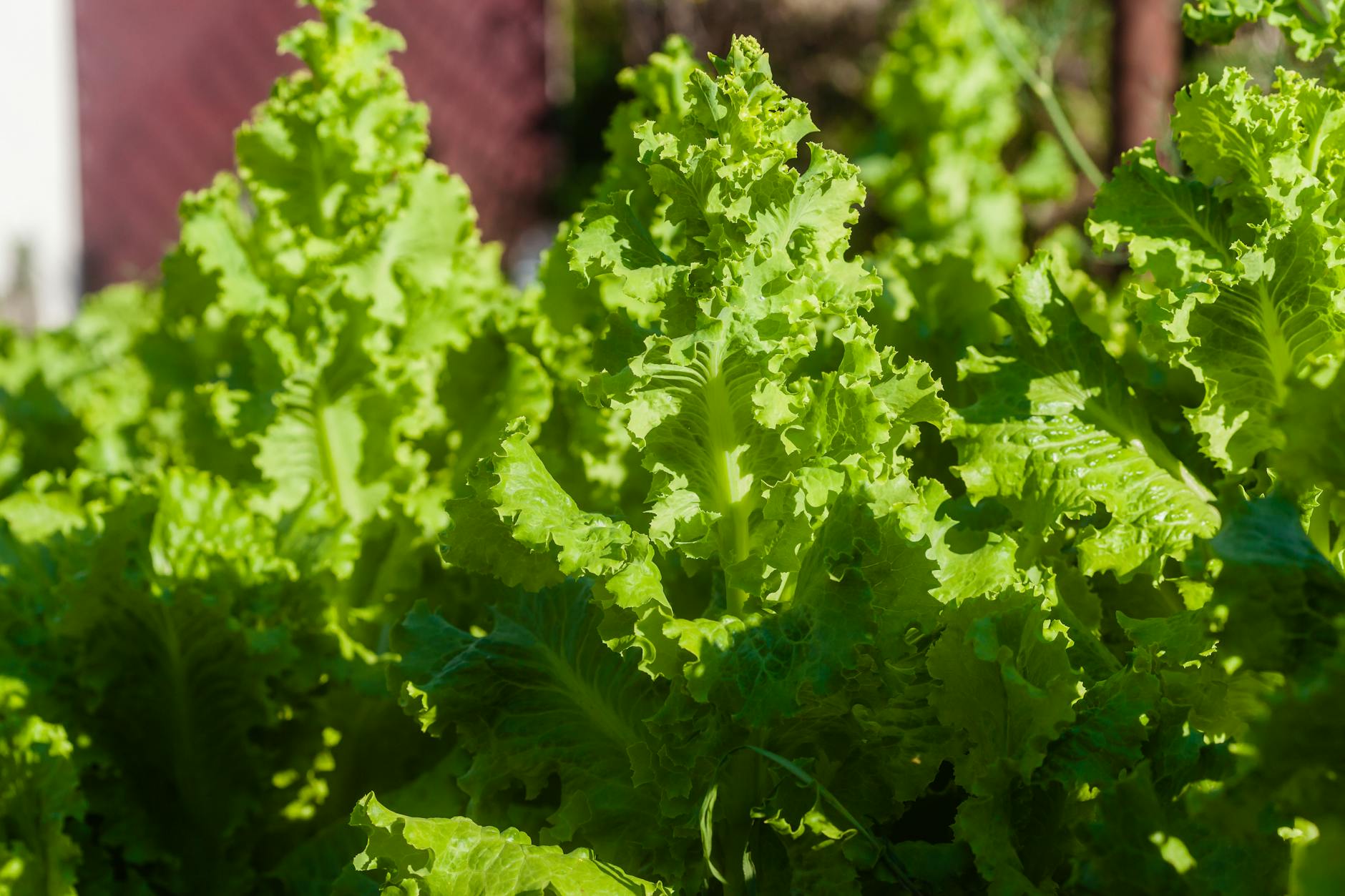
The protective power of leafy greens comes from a specific combination of nutrients that work directly on brain tissue. Lutein, vitamin K, nitrate, folate, alpha-tocopherol, beta-carotene, and kaempferol are the primary compounds responsible for slowing cognitive decline. Unlike generic “antioxidant” claims, these nutrients have established roles in brain function. Lutein, for example, accumulates in brain tissue and reduces inflammation, while vitamin K activates proteins essential for brain cell function. Folate supports the production of neurotransmitters—the chemical messengers your brain relies on for memory and thinking. These aren’t theoretical benefits; they’re documented in both laboratory studies and human clinical trials. The comparison between heavy and light consumption is stark.
Adults consuming a median of 1.3 servings of leafy greens daily showed significantly slower cognitive decline than those averaging only 0.09 servings daily. That’s roughly the difference between someone eating a small salad or handful of spinach most days versus someone eating leafy greens only rarely. The cognitive protection isn’t subtle—it translates into measurable differences in memory and mental processing speed over years. Someone who maintains consistent consumption starting in their 40s could preserve cognitive function that would otherwise decline noticeably by their 60s and 70s. One practical limitation worth acknowledging: not all leafy greens contain these protective compounds in equal amounts. Darker greens—spinach, kale, collard greens, and mustard greens—contain the highest levels of lutein and kaempferol. Iceberg lettuce, while technically a leafy green, contains far fewer protective compounds than these more nutrient-dense options. If you’re making dietary changes specifically for brain health, choosing the dark varieties matters more than simply adding any leafy green to your plate.
How Does Beta-Amyloid Buildup Connect to Your Cognitive Decline?
Beta-amyloid is one of the two primary pathological hallmarks of Alzheimer’s disease, alongside tau tangles. As we age, beta-amyloid accumulates in the brain—not because of a disease present yet, but as part of normal aging. The accumulation accelerates cognitive changes: memory lapses become more frequent, mental processing slows, and multitasking becomes harder. By consuming leafy greens rich in the compounds mentioned earlier, you’re actively suppressing this accumulation, preventing it from reaching the levels where it causes noticeable cognitive problems. The research showing reduced beta-amyloid in people with higher leafy green intake suggests a preventive mechanism rather than a treatment. In other words, these vegetables work best when consumed consistently before significant cognitive decline appears—ideally starting in your 40s or even earlier.
Adults with early signs of cognitive change (occasional forgotten names, misplaced keys, difficulty concentrating) who increase their leafy green consumption may slow further decline, though reversing existing damage appears beyond what diet alone can achieve. This distinction matters when setting realistic expectations: leafy greens are prevention, not a reversal of existing Alzheimer’s pathology. The concerning warning here is that many adults don’t recognize cognitive changes happening gradually. Memory problems dismissed as “just getting older” are sometimes early signs of decline that could have been slowed with earlier dietary intervention. By the time someone notices they’re repeating conversations or struggling to find words, brain changes may already be substantial. This is why consumption starting in your 40s—before noticeable changes occur—offers the greatest protection. It’s much easier to maintain cognitive function than to try restoring it after decline has progressed.
Why Does the 11-Year Cognitive Age Gap Matter in Your 60s and 70s?
When researchers describe the cognitive benefit of consistent leafy green consumption as equivalent to being 11 years younger, they’re translating measurable differences in mental processing speed, memory recall, and executive function. For someone in their 70s who has eaten leafy greens consistently since their 40s, their cognitive performance on standardized tests resembles someone in their late 50s. This translates to real-world differences: easier memory recall, faster problem-solving, and better ability to manage complex information. Consider a specific example: a 72-year-old who maintained consistent leafy green consumption might struggle only occasionally to remember names of acquaintances, while a 72-year-old with minimal leafy green intake experiences the same forgetting multiple times weekly. Neither person necessarily has dementia—both are experiencing normal aging—but the rate of cognitive change differs dramatically. The protective effect compounds over decades.
Starting dietary changes at 40 provides 20 to 30 years of accumulated brain protection by the time someone reaches 70. The practical implication is that protective dietary habits established in midlife pay dividends in later life. An adult starting to eat leafy greens daily at age 45 accumulates years of neuroprotection before any symptoms of cognitive decline appear. By contrast, someone who begins dietary changes at 65, noticing early memory problems, faces a steeper battle. The brain’s ability to accumulate protective compounds occurs most effectively when the brain is still relatively healthy. Consistency matters more than intensity—daily consumption of moderate amounts outperforms sporadic heavy consumption.

How Much Leafy Green Consumption Do You Actually Need for Protection?
The research shows a dose-response relationship, meaning more is generally better—but there’s a practical threshold where benefits level off. The highest-intake group in the study averaged 1.3 servings daily, roughly equivalent to a small to medium salad, a handful of cooked spinach, or a cup of raw greens added to other dishes. This isn’t an intimidating amount. Someone who adds a side salad to lunch three times weekly and includes a serving of cooked greens with dinner four times weekly easily reaches this level. The lower-intake comparison group averaged 0.09 servings daily—essentially eating leafy greens once or twice monthly. The difference between someone eating zero leafy greens and someone eating one serving weekly is substantial, but the progression toward greater protection continues.
Someone eating three servings weekly sees more protection than one eating one serving weekly, though the gain from three servings to seven servings weekly appears larger than the gain from seven servings weekly to even higher amounts. The cognitive sweet spot appears to be reaching 7 or more servings weekly consistently, but meaningful protection begins at lower intake levels. A practical comparison: replacing one daily beverage with a green juice or smoothie providing a half-cup serving of spinach delivers meaningful protection. Adding leafy greens to soups, pasta dishes, and grain bowls rather than serving them only as salads increases consumption without changing eating patterns dramatically. Some people find consistency easier when incorporating leafy greens into familiar dishes rather than eating plain salads. The form matters less than the consistency—cooked spinach provides the same protective compounds as raw, though absorption differs slightly between preparation methods.
Should You Worry About Interactions With Blood Thinners or Other Medications?
This question comes up regularly for adults over 40, particularly those managing blood pressure or taking anticoagulants. Vitamin K in leafy greens can interact with warfarin and some other blood-thinning medications by reducing their effectiveness. If you take warfarin, completely avoiding leafy greens isn’t the solution—it’s maintaining consistent intake. Sudden increases or dramatic fluctuations in leafy green consumption cause problems; stable intake poses little concern. The recommendation is transparency with your doctor and consistency rather than abstinence. Newer anticoagulants like apixaban and rivaroxaban interact minimally with vitamin K, making leafy green consumption essentially unrestricted for those taking these medications.
Anyone taking blood thinners should specifically discuss leafy green consumption with their pharmacist or physician before making dramatic dietary changes, but the conversation should be about managing consistency, not avoiding these protective foods. The cognitive benefits of leafy greens for adults over 40 often outweigh the minor interaction risks for most people, particularly when medical supervision ensures appropriate medication dosing. Another concern involves medication absorption. Some psychiatric medications and certain other drugs show reduced absorption when consumed with high-fiber foods like leafy greens. This is rarely a reason to avoid leafy greens entirely but rather to separate medication intake from leafy green consumption by an hour or two. Adults on multiple medications should discuss their specific situation with their pharmacist rather than making assumptions based on general information. The protective value of consistent leafy green consumption generally outweighs interaction concerns, but individualized medical advice matters.

Are Raw or Cooked Leafy Greens More Protective for Your Brain?
Both raw and cooked leafy greens provide protection, though the absorption of specific protective compounds differs. Raw greens contain higher levels of some heat-sensitive vitamins like folate, while cooked greens increase the bioavailability of lutein and allow the body to absorb it more efficiently. Rather than viewing this as a choice between better or worse options, the practical approach is rotating between raw and cooked preparations to maximize absorption of different compounds.
A specific example illustrates this practically: someone might eat raw spinach in salads three times weekly and add cooked spinach to pasta or soup twice weekly. This approach provides both the heat-sensitive nutrients from raw greens and the enhanced absorption of other protective compounds from cooking. The consistency of consumption matters far more than achieving perfect nutrient optimization. An adult who regularly eats either raw or cooked greens gains significantly more protection than someone who eats neither, regardless of which preparation method they choose.
What Future Research Might Reveal About Leafy Greens and Brain Health?
Current research establishes that leafy greens slow cognitive decline in adults, but ongoing studies are investigating whether they might also prevent the development of mild cognitive impairment before decline becomes apparent. Researchers are also exploring whether the specific combination of protective compounds works synergistically or whether individual nutrients might be isolated for targeted supplementation. Early evidence suggests the whole food approach provides benefits that isolated supplements don’t replicate, but this remains an active area of investigation.
The practical implication for adults over 40 now is that evidence supports dietary changes without waiting for additional research. You don’t need certainty about every mechanism of protection to benefit from actions supported by substantial current evidence. As research evolves, specific recommendations might shift—perhaps identifying optimal intake levels more precisely or discovering which leafy green varieties offer the greatest protection. But the fundamental principle that consistent consumption of nutrient-dense greens supports brain health stands firm on current evidence.
Conclusion
For adults over 40, leafy greens represent one of the few dietary interventions with clear, substantial evidence of cognitive protection. The research tracking nearly 1,000 participants over years demonstrates measurable slowing of cognitive decline equivalent to maintaining 11 years of younger brain function. This isn’t about preventing Alzheimer’s disease entirely—no food can do that—but about meaningfully slowing the cognitive changes that come with normal aging. The protective compounds in dark leafy greens work specifically against beta-amyloid accumulation, one of the primary mechanisms of cognitive decline.
Starting or increasing consistent leafy green consumption in your 40s positions your brain for better function in your 60s, 70s, and beyond. The evidence is clear: roughly one serving daily, consistently maintained, provides meaningful protection. Whether you prefer salads, cooked greens, or incorporating them into other dishes matters far less than finding an approach you’ll maintain for decades. For anyone concerned about cognitive health or noticing early memory changes, this simple, accessible dietary change deserves to be a priority.
You Might Also Like
- Scientists Reveal ultra processed food Is One of the Worst Foods for Brain Health
- Scientists Reveal fast food Is One of the Worst Foods for Brain Health
- Scientists Reveal whole grains Is One of the Worst Foods for Brain Health
For more, see NIH MedlinePlus — dementia.