Genealogy records serve as therapeutic and medical tools for families managing dementia because they preserve and activate memories that the disease often spares, while simultaneously providing essential information for diagnosis, genetic counseling, and long-term care planning. Family trees created through genealogy research directly improve outcomes: they facilitate reminiscence therapy that reduces psychological distress and agitation, preserve access to the long-term autobiographical memories that remain intact even as short-term memory fades, and document the family health history required to guide clinical diagnosis and treatment decisions. Beyond immediate care, genealogy records matter because they identify genetic risk factors inherited across generations—information that shapes early intervention strategies for relatives—and mobilize the extended family support networks that families need to sustain dementia care over years.
Medical information disclaimer: This article is for general educational purposes only and does not provide medical advice, diagnosis, or treatment. Always consult a physician or other qualified health professional about symptoms, medications, tests, or treatment decisions.
Table of Contents
- How Genealogy Activates Preserved Memories
- Documentation Required for Diagnosis and Medical Planning
- Memory Stimulation and Slowing Decline
- Identifying and Mobilizing Family Support
- Practical Starting Points
- Frequently Asked Questions
How Genealogy Activates Preserved Memories
Alzheimer's disease destroys recent memories first while leaving older, well-established memories intact in other brain regions. Genealogy records access these preserved memories by providing visual and sensory cues—photographs, names, dates, family relationships—that trigger autobiographical recall even as new information disappears. This distinction matters: when a person with advancing dementia loses the ability to remember yesterday, they may still light up at a photograph of a grandparent or a family recipe passed down through generations.
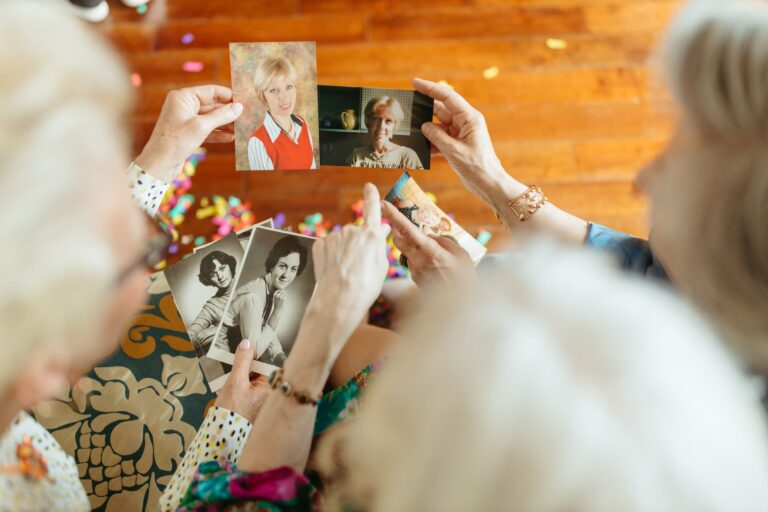
Reminiscence therapy using family history reduces psychological distress, a non-pharmacological intervention where past experiences are recalled through family stories and objects, according to the Alzheimer's Association. Patients who engage in reminiscence therapy show improved mood, reduced stress and agitation, and a maintained sense of personal identity despite cognitive decline. Genealogy records serve as the concrete material for this therapy—they are the tool that makes reminiscence possible and systematic rather than ad hoc.
Documentation Required for Diagnosis and Medical Planning
Genealogy records are not optional for dementia diagnosis; they are part of the clinical standard. Detailed family history across three generations—recording which relatives had cognitive impairment, at what age symptoms began, and how the disease progressed—directly informs the diagnosis process and shapes medical management decisions, according to the American Academy of Family Physicians. Without this documentation, clinicians cannot fully assess whether a patient's symptoms fit a clear pattern or identify warning signs that suggest a genetic cause.
Genetic risk factors are inherited and inheritance-dependent. Five specific gene mutations (PSEN1, PSEN2, and APP) cause familial Alzheimer's disease with autosomal dominant inheritance, meaning each parent carrying the mutation has a 50 percent chance of passing it to each child. Genealogy records that document multiple affected family members across generations enable genetic counseling and early intervention before symptoms appear. Additionally, the APOE ε4 genetic variant increases Alzheimer's risk dramatically, with two copies from both parents creating approximately 20-fold increased risk, and family genealogy helps identify which relatives should understand their genetic status.
Memory Stimulation and Slowing Decline
Beyond emotional benefit, genealogy-based reminiscence serves a cognitive function. Cognitive stimulation programs using reminiscence and life-story work show documented improvements in autobiographic memory and cognitive levels for mild-to-moderate dementia patients, according to research published in NIH and neurology journals. Genealogy records provide the concrete material that makes cognitive stimulation systematic and accessible—family trees, photographs, ancestral locations, and historical timelines all activate and strengthen the networks supporting preserved memory.
This is not a cure, but it is measurable. Studies tracking patients who engaged in memory stimulation programs found slowing of cognitive decline compared to control groups. Genealogy records offer a particularly powerful form of stimulation because they are personally meaningful—a patient's own family history engages motivation and emotional connection that generic cognitive exercises lack.
Identifying and Mobilizing Family Support
Dementia is a long-term condition that requires sustained support across years. Genealogy records help families identify extended relatives who may not be in regular contact but can provide emotional, financial, or practical assistance during care. Genealogy records help dementia patients and caregivers identify extended family members who can provide emotional, financial, or practical assistance, according to senior care research.
A completed family tree created through genealogy research often reveals cousins, aunts, uncles, or distant relatives who want to contribute but didn't know they were needed. This matters because primary caregivers—often adult children or spouses—face burnout and health decline themselves. A wider support network, mobilized through genealogy research, reduces isolation and distributes the practical burden of care. Financial planning and long-term care insurance also benefit from clear documentation of family relationships and existing resources.
Practical Starting Points
If you are managing dementia in your family, you do not need to become a genealogy expert. Start with what you already have: Share this record with your loved one's medical team.
Bring it to neurology and primary care appointments. Give copies to family members who may help with care, as they often need to understand who is available to help and why certain relatives may be at higher genetic risk.
- Gather photographs with names and dates written on the back.
- Write down what you know: parents' names, siblings, children, grandchildren, birth years, and known health conditions.
- Ask older family members to record their own memories of their parents and grandparents on audio or video.
- Create a simple family tree diagram, either on paper or using free online tools like Ancestry.com's family tree builder or MyHeritage.
Frequently Asked Questions
Does genealogy research only matter if my family has a genetic form of dementia?
No. While genealogy is essential for families with inherited genetic mutations, it benefits all dementia patients. Even sporadic Alzheimer's disease patients benefit from reminiscence therapy and cognitive stimulation that genealogy records enable. Family history also helps your doctor rule out other causes of cognitive decline and identify whether APOE4 genetic status should inform your care planning.
At what stage of dementia do genealogy records stop helping?
Reminiscence therapy benefits mild-to-moderate dementia most clearly, as patients retain memory access and the ability to engage with stories and photographs. Late-stage dementia patients may still respond to familiar images and voices, though meaningful interaction becomes harder. Genealogy records remain medically valuable at all stages because they document the family history that informs diagnosis and genetic counseling for relatives.
Can I use genealogy records to tell if my children will develop dementia?
Genealogy records can identify patterns that suggest genetic risk, but they cannot predict individual disease. If multiple family members developed Alzheimer's before age 65, or if genetic testing reveals PSEN1, PSEN2, APP, or high-risk APOE status, relatives should discuss their risk with a genetic counselor. Lifestyle factors (exercise, cognitive engagement, cardiovascular health, sleep) also influence risk, and knowing your family history allows you to prioritize prevention strategies.