Reviewed by the Help Dementia Editorial Team — our editors review every article for accuracy against guidance from the National Institute on Aging, the Alzheimer’s Association, and peer-reviewed sources.
Doing puzzles sits at the center of this dementia and brain health question.
Puzzles matter more for brain health than medication because they produce measurable cognitive improvements backed by clinical evidence, while medications and supplements for dementia prevention have shown no significant effectiveness. A landmark 2024 study from Duke University found that people who did crossword puzzles significantly outperformed those who played cognitive video games on standardized memory tests, with brain imaging showing less shrinkage in the puzzle group after 78 weeks. Meanwhile, the World Health Organization and Global Council on Brain Health have concluded that the supplements people often take for brain health simply don’t work—but puzzles do, delivering both immediate cognitive gains and long-term protection against memory decline.
This isn’t to say you should abandon medical care or skip medication if prescribed by your doctor. Rather, the evidence suggests that how you spend your time—specifically working on puzzles—may be one of the most powerful interventions available for protecting and even improving cognitive function as you age. Unlike medications that come with side effects and variable effectiveness, puzzles offer measurable benefits, cost almost nothing, and have the added advantage of being inherently enjoyable.
Table of Contents
- What Does the Research Really Say About Puzzles Compared to Supplements and Brain Training?
- How Puzzles Produce Real Changes in Memory and Brain Structure
- The Cognitive Mechanisms Behind Puzzle Benefits
- Building a Puzzle Practice That Actually Protects Your Brain
- Understanding What Puzzles Cannot Do (And Why That Matters)
- The Emotional and Social Benefits Beyond Cognition
- Integrating Puzzles Into a Brain-Health Lifestyle
- Conclusion
What Does the Research Really Say About Puzzles Compared to Supplements and Brain Training?
The research comparing puzzles to other brain-health interventions is striking. In the Duke University trial, participants who did crossword puzzles showed better results on the ADAS-Cog scale—a standard measure used in dementia research—at both 12 weeks and 78 weeks compared to people playing computerized cognitive games. This matters because the ADAS-Cog is the same test used to measure drug effectiveness in clinical trials, yet a simple daily puzzle outperformed technology-based alternatives that cost far more. Brain imaging from that same study showed measurable differences: crossword puzzle participants had significantly less brain shrinkage (atrophy) in memory-related regions after 78 weeks, a finding that couldn’t be replicated with video games. On the medication and supplement front, the picture is quite different. The World Health Organization reviewed the available evidence on supplements marketed for brain health and concluded that they are not effective for dementia prevention.
This contradicts the marketing claims you see everywhere—and it’s important because many people spend hundreds of dollars monthly on supplements hoping to protect their cognitive future. Puzzles, by contrast, cost nothing and deliver results that rival or exceed those of expensive alternatives. Board game players, for instance, show a 15% lower risk of developing dementia compared to non-players, a protective effect stronger than most brain-training apps claim. The key difference is this: puzzles create genuine cognitive work that engages the actual neural systems you need to protect. When you complete a jigsaw puzzle, you’re improving visual-spatial processing, working memory, and processing speed. When you solve a crossword, you’re strengthening executive function and the ability to recognize patterns. These aren’t artificial scores in a game—they’re real improvements in the cognitive abilities that matter most in everyday life.

How Puzzles Produce Real Changes in Memory and Brain Structure
The improvements puzzles create are measurable not just in test scores but in actual brain structure. Research shows that regular puzzle-solving improves memory retention by up to 17% and increases information processing speed by 35%. These aren’t minor gains—a 35% improvement in how quickly your brain processes information is substantial enough to be noticeable in conversation, decision-making, and day-to-day functioning. For people concerned about cognitive decline, this is the kind of practical improvement that matters. One of the most encouraging findings involves delaying the onset of memory decline itself. People who regularly did crossword puzzles showed a delay of 2.54 years in the onset of memory decline when they eventually developed dementia.
This means that if a puzzle solver would have experienced noticeable memory problems at age 78, that onset might be pushed back to age 80 or 81. While this doesn’t prevent dementia entirely, it represents years of maintained independence and quality of life—something that no current medication can claim. However, there’s an important limitation to understand: the evidence shows puzzles are powerful, but they’re not a complete solution. No strong evidence exists that puzzles alone significantly reduce your overall risk of developing dementia. What the research does show is that puzzles improve how your brain functions now and slow the rate of decline later. In other words, puzzles won’t guarantee you’ll never face memory problems, but they’ll help you maintain sharper cognition longer and reduce the rate at which it declines. This is an important distinction that often gets glossed over in headlines.
The Cognitive Mechanisms Behind Puzzle Benefits
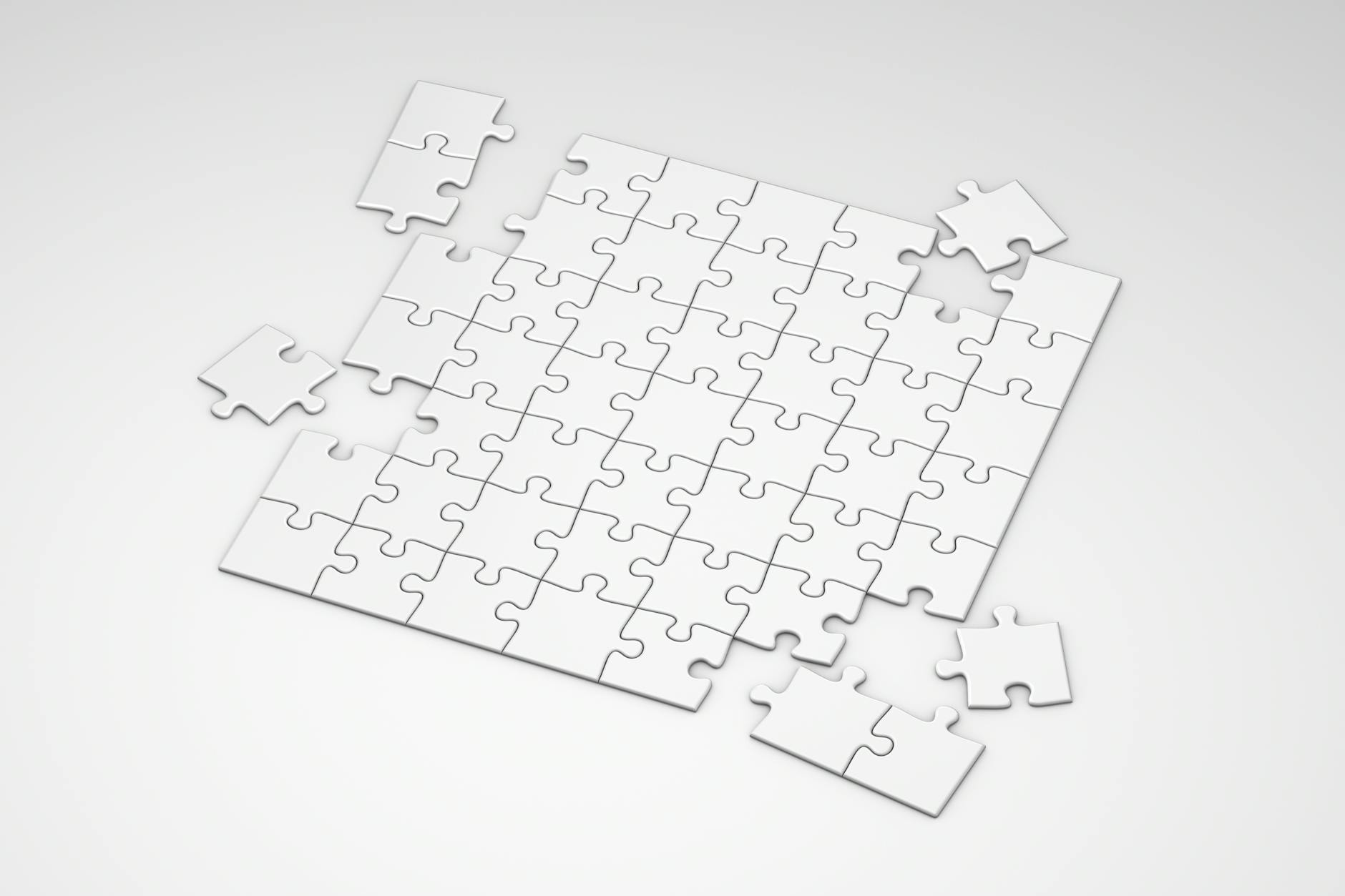
Different puzzle types activate different parts of your brain, which is why variety matters. Jigsaw puzzles specifically train visual-spatial processing—the ability to manipulate and understand objects in space—along with working memory and processing speed. When you work on a jigsaw puzzle, you’re practicing the coordination between what you see and where things go, strengthening the neural pathways that make this coordination possible. Over time, this translates to better spatial reasoning, which is one of the first cognitive abilities to decline in normal aging. Crossword puzzles engage a different set of systems, emphasizing executive function—the ability to plan, organize, and manipulate information—and semantic processing, which is how your brain retrieves and connects word meanings.
Someone doing a crossword is essentially practicing retrieval, context recognition, and flexible thinking all at once. This has particular relevance for dementia prevention because executive function is critical for maintaining independence in daily activities like managing finances, cooking, and taking medication on schedule. The research on stress reduction adds another layer of benefit. When people solve puzzles, their levels of cortisol and alpha-amylase—both biological markers of stress—decrease significantly. About 85% of puzzle participants report feeling a sense of achievement and satisfaction after completing a puzzle, which suggests that the psychological benefit is as real as the cognitive one. For someone managing the anxiety that often comes with aging and health concerns, this stress relief alone is valuable.
Building a Puzzle Practice That Actually Protects Your Brain
The evidence doesn’t require you to become obsessed with puzzles to see benefits. What matters is consistency and some variety. A sustainable practice might look like 20 to 30 minutes of crossword puzzles three or four times per week, supplemented with occasional jigsaw puzzles or other types. This is realistic for most people and far less time-consuming than taking multiple medications daily—yet it produces measurable cognitive improvements. The advantage of puzzles over many brain-training programs is that puzzles are intrinsically motivating. People enjoy them, which means they’re more likely to stick with them long-term.
A puzzle program you abandon after two months is worthless, but a puzzle habit you maintain for years produces cumulative benefits. The research supports this: the people who showed the most improvement in the Duke study weren’t necessarily those who did puzzles for longer stretches, but those who did them consistently over the longer measurement period. One practical tradeoff to consider: jigsaw puzzles tend to be more immersive and engaging, but they require space and take longer to complete. Crosswords and Sudoku are portable and quicker, but might feel less rewarding to some people. The best puzzle type is whichever one you’ll actually do regularly. If you hate crosswords, you won’t improve your brain with them, no matter what the research says.
Understanding What Puzzles Cannot Do (And Why That Matters)
It’s essential to be clear about the limits of puzzle research. Puzzles improve cognitive function, but cognitive training and brain health alone do not prevent all cognitive decline or dementia. Your genetics, cardiovascular health, sleep quality, diet, physical activity, and social engagement all play significant roles in whether you develop dementia. Puzzles are one powerful tool among many, not a substitute for the full picture of brain health. Additionally, no evidence suggests that puzzles can reverse existing cognitive decline or dementia.
If someone has already been diagnosed with mild cognitive impairment or dementia, puzzles may slow further decline, but they won’t restore lost cognitive function. This is a crucial distinction because some marketing suggests that brain training can reverse aging, which simply isn’t supported by science. Puzzles are preventive and protective, not curative. Another limitation: if you’re doing puzzles only as a solitary activity, you’re missing the cognitive and emotional benefits of social engagement. Research consistently shows that cognitive activities done socially—like puzzle clubs or group game nights—provide additional protective benefits beyond the puzzle itself. If you can pair puzzle-solving with social connection, you’re leveraging more of what protects brain health.
The Emotional and Social Benefits Beyond Cognition
While cognitive improvement gets most of the attention, the emotional benefits of puzzle-solving may be equally important for long-term brain health. Puzzles provide a sense of control and achievement in an aging body, which can be psychologically protective. For someone experiencing normal age-related memory slips or worried about dementia risk, completing a puzzle daily provides concrete evidence that their brain is still capable and engaged. This isn’t trivial—the psychological stress of aging itself can impair cognition, so the confidence boost from puzzle-solving feeds into actual cognitive benefits.
Puzzle clubs and group puzzle activities add another dimension. When a group gathers to work on a puzzle together, they’re getting cognitive stimulation, social connection, stress relief, and a sense of belonging—all factors linked to better long-term cognitive outcomes. Some senior centers and libraries now organize puzzle clubs specifically because the evidence on their benefits is so clear. Even family puzzle nights, where multiple generations work on a puzzle together, combine the cognitive benefits of the puzzle with the protective effects of social connection.
Integrating Puzzles Into a Brain-Health Lifestyle
The most important finding isn’t that puzzles are miraculous—it’s that they’re practical and available. While we wait for better medications and more targeted interventions, puzzles offer something you can start doing today with essentially no barrier to entry. An inexpensive book of crosswords, a few jigsaw puzzles, or access to free online puzzle games is all you need.
This accessibility is revolutionary compared to expensive medications or exclusive treatments. As research on cognitive aging continues, the role of puzzles in brain health is only becoming clearer. Newer studies are investigating whether specific puzzle types are better for specific cognitive concerns, and whether combining puzzles with other cognitive activities amplifies benefits. What seems likely is that the future of brain health will emphasize what you do every day—not what medication you take occasionally—as the primary predictor of cognitive outcomes.
Conclusion
Puzzles matter more than medication for brain health because the evidence is clearer, the benefits are measurable, the side effects are nonexistent, and they’re accessible to everyone. A 2024 clinical trial showed they outperformed cognitive video games, the World Health Organization found supplements ineffective, and research demonstrates that regular puzzle-solving improves memory by 17%, processing speed by 35%, and can delay cognitive decline by years. While puzzles aren’t a complete guarantee against dementia and shouldn’t replace other aspects of brain health—like exercise, sleep, and cardiovascular care—they represent one of the most powerful interventions currently available for protecting and enhancing cognitive function.
Start with whatever puzzle type appeals to you and commit to a consistent practice, even 20 to 30 minutes several times a week. The evidence suggests this simple habit will matter more for your brain’s future than waiting for the next brain-health medication to come to market. Your brain responds to what you ask it to do, and puzzles ask it to do exactly what it needs: engage, retrieve, recognize patterns, and solve problems.
You Might Also Like
- Why yoga Matters More Than Medication for Brain Health
- Why yoga Matters More Than Medication for Brain Health
- Why walking 30 minutes daily Matters More Than Medication for Brain Health
For more, see National Institute on Aging.