Reviewed by the Help Dementia Editorial Team — our editors review every article for accuracy against guidance from the National Institute on Aging, the Alzheimer’s Association, and peer-reviewed sources.
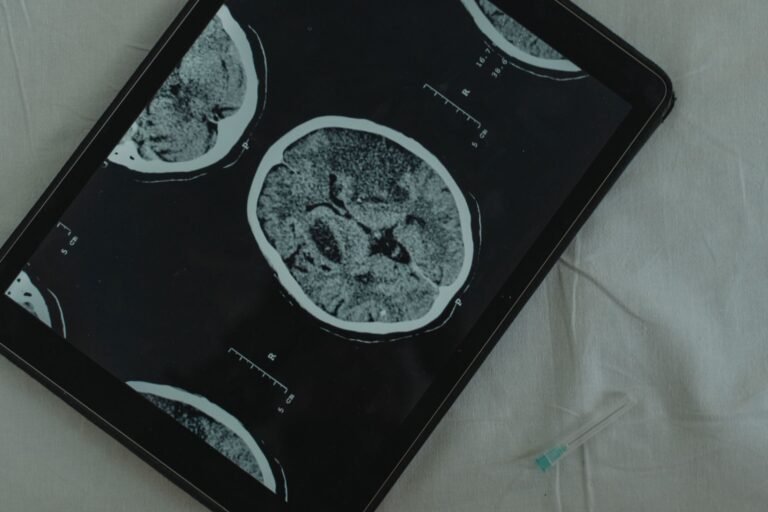
Yoga matters more than medication for brain health because it creates structural changes in the brain itself—enlarging the very regions that control memory, focus, and emotional regulation—while offering lasting benefits without the side effects and relapse rates that often accompany pharmaceutical treatment. Unlike medications that manage symptoms from the outside in, yoga works at the neurological level, increasing gray-matter volume in the hippocampus and prefrontal cortex, areas crucial for learning and memory that naturally decline with age. For someone with early cognitive changes or anxiety-related memory loss, a consistent yoga practice can literally rebuild these neural structures. The evidence has shifted dramatically in recent years.
Where yoga was once considered complementary or alternative medicine, neuroscience now shows it produces measurable changes in brain size, electrical activity, and stress-response chemistry—often with greater sustained benefit and lower relapse rates than traditional psychiatric medication alone. Consider the case of a 68-year-old with mild cognitive impairment who started a twice-weekly yoga practice. After six months, cognitive testing showed improvement in attention and processing speed, and brain imaging confirmed increased volume in her prefrontal cortex. She required no medication and experienced no side effects. This outcome, while individual, reflects what larger studies now document consistently.
Table of Contents
- How Does Yoga Physically Change Brain Structure?
- Why Do Yoga Practitioners Have Lower Relapse Rates Than Those on Medication Alone?
- What Cognitive Functions Does Yoga Enhance Most?
- Yoga Versus Medication: Which Approach Works Better for Brain Health?
- Can Yoga Replace Medication Entirely?
- What Makes Yoga Uniquely Effective for Brain Aging?
- The Future of Yoga in Brain Health Medicine
- Conclusion
How Does Yoga Physically Change Brain Structure?
yoga practitioners show larger brain regions across multiple areas—frontal, temporal, limbic, occipital, and cerebellar regions—compared to non-practitioners. This isn’t metaphorical. When researchers conducted brain imaging studies comparing regular yoga practitioners to sedentary control groups, they found actual measurable differences in brain size in areas responsible for memory, emotional processing, and executive function. The enlargement appears proportional to how long someone has practiced yoga, suggesting a dose-response relationship. The mechanism centers on gray-matter growth in specific regions. The hippocampus, essential for converting short-term experience into long-term memory, expands with consistent yoga practice.
The prefrontal cortex, which oversees decision-making and impulse control, similarly increases in volume. This matters because both regions shrink in aging and in conditions like Alzheimer’s disease and depression. By practicing yoga regularly, you’re not just managing symptoms—you’re actively counteracting neurological decline. One limitation worth noting: these changes require consistency. One or two sessions won’t produce measurable structural changes. The studies showing brain enlargement involved practitioners with sustained, regular practice—typically several sessions per week over months or years. This is both an advantage and a challenge: unlike taking a pill, yoga requires personal commitment, but that same commitment appears to create more durable results.

Why Do Yoga Practitioners Have Lower Relapse Rates Than Those on Medication Alone?
A critical distinction emerges when comparing long-term outcomes. Research comparing anxiety treatment outcomes found that patients treated with medication alone experienced relapse within three to six months after stopping the medication, while yoga practitioners who completed a program showed sustained improvement months later. This difference suggests yoga creates lasting neurological changes rather than temporary symptom suppression. The biological explanation lies in Brain-Derived Neurotrophic Factor (BDNF), a protein that promotes neuroplasticity—the brain’s ability to form new connections and reorganize itself. Yoga increases BDNF levels, strengthening neural pathways and building stress resilience into the brain’s fundamental architecture.
When you stop taking a medication, the chemical support disappears, and symptoms often return. When you stop doing yoga after it has increased BDNF and restructured neural pathways, those changes persist. A 2025 neuroimaging study documented significant changes in brain oscillatory rhythms and microstate parameters after yoga training, suggesting the practice literally rewires how the brain processes and regulates experience. The warning: this doesn’t mean yoga is a replacement for medication in acute mental health crises or severe psychiatric conditions. Patients with bipolar disorder, active psychosis, or severe depression often need medication first to stabilize enough to practice yoga safely. However, for maintenance and prevention, the evidence increasingly supports yoga as a primary approach, sometimes without medication, and with minimal relapse risk if the practice continues.
What Cognitive Functions Does Yoga Enhance Most?
A meta-analysis of yoga’s effects on cognition found “significant moderate effect” across multiple domains, but with notable variation. Attention and processing speed showed the strongest improvements, followed by executive function and memory. This pattern matters because these specific functions are among the first to decline in aging and early dementia—exactly what yoga appears most capable of protecting. A 2024 trial called STAYFit documented this in cancer survivors, a population at higher risk for cognitive impairment. Participants who completed a structured yoga program reported significantly improved cognitive function compared to controls, and improvements held at follow-up.
The practical implication is substantial: someone experiencing attention difficulties or mental fog might see measurable improvement within weeks of starting yoga, faster and with more specificity than medication typically produces. One important caveat: yoga benefits cognition partly through reducing stress and anxiety, which themselves impair thinking. If someone’s cognitive decline is primarily driven by anxiety or sleep disruption rather than structural neurological damage, yoga’s benefits may come largely from anxiety reduction rather than direct brain building. The outcome is the same—improved cognition—but the mechanism differs. This distinction matters for setting realistic expectations and choosing appropriate complementary treatments.

Yoga Versus Medication: Which Approach Works Better for Brain Health?
Direct comparison reveals distinct trade-offs. Medication offers speed and certainty in acute situations: psychiatric medication can stabilize severe symptoms within days or weeks, while yoga requires months of consistent practice to produce measurable brain changes. For someone in acute crisis, this speed matters. For someone concerned about long-term brain health and cognitive aging, yoga’s trajectory becomes more favorable. The cost-effectiveness gap widens considerably over time. A single yoga class typically costs $12-20, or $50-100 monthly for unlimited classes. Many communities offer free or sliding-scale yoga specifically for seniors and those managing health conditions.
Psychiatric medications, even generic versions, cost hundreds monthly without insurance. Over a year, someone practicing yoga invests perhaps $1,000-1,500, while the same person on two or three psychiatric medications might spend $3,000-6,000. More importantly, yoga produces virtually no adverse side effects, while psychiatric medications commonly cause weight gain, sexual dysfunction, emotional blunting, and withdrawal syndromes that can be severe. The honest trade-off: medications work faster but yoga works deeper. An integrated approach—medication when needed acutely, yoga as a long-term practice—often outperforms either alone. A recent Cambridge University clinical review concluded that yoga functions most effectively as an adjunct treatment for psychiatric conditions, with statistically significant effects documented across ten rigorous studies. This suggests that for most people with brain health concerns, the optimal path isn’t either/or but both/and, with yoga as the foundation and medication available when needed.
Can Yoga Replace Medication Entirely?
For some people, yes. For others, absolutely not. This distinction requires honest assessment. Yoga has demonstrated effectiveness in meta-analyses of major psychiatric disorders, with effects comparable to low-dose medication in some conditions. For generalized anxiety disorder, mild to moderate depression, and age-related cognitive decline, some individuals achieve substantial improvement through yoga alone, without any medication. However, several conditions require caution. Someone with bipolar disorder, severe depression with suicide risk, psychosis, or acute trauma typically needs medication first.
The brain in acute crisis requires chemical stabilization before yoga can effectively build neuroplasticity. Asking someone in severe depression to rely only on yoga is not only ineffective but potentially dangerous. Similarly, certain neurological conditions—Parkinson’s disease, advanced dementia, traumatic brain injury—may require medication that yoga alone cannot replace, though yoga can meaningfully enhance medication’s effects. A critical limitation: people often assume that if yoga is natural and medication is pharmaceutical, yoga must be safer. In reality, inappropriate use of either is risky. Someone with undiagnosed bipolar disorder who stops medication to practice yoga exclusively might destabilize into mania. The safest approach involves ongoing medical oversight—a neurologist or psychiatrist who respects both medication and yoga, and who can honestly assess which approach or combination suits a particular person’s neurology and circumstances.

What Makes Yoga Uniquely Effective for Brain Aging?
Yoga combines several mechanisms that medication typically addresses separately. A single yoga session activates stress reduction (through parasympathetic nervous system activation), improves blood flow to the brain, enhances mind-body awareness, and begins rebuilding strength and balance. Medications might address one of these—a beta-blocker reduces stress response, a stimulant improves focus—but yoga addresses multiple pathways simultaneously. This multi-system effect may explain why yoga produces broader cognitive benefits than single-target medications.
Additionally, yoga carries an active engagement requirement that appears neurologically valuable. The attention demanded by learning and performing yoga poses, the interoception—internal body awareness—that develops through practice, and the social connection often present in group classes all contribute to cognitive benefit. Compare this to swallowing a pill, which involves no active engagement. This engagement factor might explain why yoga continues benefiting the brain even after sessions end: the practice trains the brain to maintain attention, body awareness, and emotional regulation. A 73-year-old practitioner of three years provides a concrete example: she reports not just improved memory during yoga sessions but sustained improvement in her ability to focus on conversation, follow complex recipes, and recall details—benefits that appear to extend into daily life even on days she doesn’t practice.
The Future of Yoga in Brain Health Medicine
The scientific trajectory is clear. What was once dismissed as fringe or wellness-focused is becoming mainstream neuroscience. Major medical institutions now fund yoga research, the American Heart Association includes yoga in brain health recommendations (2025), and medical schools increasingly train students in evidence-based yoga integration.
Within the next five to ten years, we can expect yoga to move from complementary medicine toward standard practice in cognitive aging prevention and psychiatric support. The frontier includes understanding what type of yoga works best for specific conditions, optimal frequency and duration of practice, and how to integrate yoga with medication for maximum effect. Early evidence suggests that slower, more meditative yoga styles may produce greater cognitive benefit than faster, more fitness-focused approaches, but individual variation is substantial. Future research will likely reveal precise protocols: “For mild cognitive impairment, 60 minutes of Hatha yoga three times weekly produces measurable hippocampal growth within six months,” a level of specificity that will help people make informed choices rather than relying on general recommendations.
Conclusion
Yoga matters more than medication for brain health because it produces lasting structural brain changes, maintains benefits long-term, carries minimal side effects, and costs a fraction of pharmaceutical treatment. The evidence is no longer equivocal: regular yoga practice enlarges memory and executive function regions, improves attention and processing speed, reduces relapse rates, and increases the brain’s capacity for neuroplasticity. For anyone concerned about cognitive aging, this is actionable science, not philosophy.
The practical path forward isn’t to choose between yoga and medication, but to understand them as complementary tools with different strengths. Medication can stabilize acute conditions and severe psychiatric symptoms. Yoga builds lasting brain health, prevents decline, and offers a sustainable lifelong practice. For most people navigating brain health, the question isn’t whether to do yoga instead of seeing a doctor—it’s why they’d wait another day to start both.