Reviewed by the Help Dementia Editorial Team — our editors review every article for accuracy against guidance from the National Institute on Aging, the Alzheimer’s Association, and peer-reviewed sources.
Instrument matters sits at the center of this dementia and brain health question.
Playing a musical instrument offers measurable, structural changes to the brain that rival or exceed many pharmaceutical interventions for cognitive decline. When you learn an instrument, you’re not just acquiring a hobby—you’re triggering neuroplastic changes in regions associated with memory, attention, and emotional regulation. A landmark four-year study published in MIT Press’s Imaging Neuroscience in 2025 demonstrated that older adults who continued musical training showed significantly better preservation of verbal working memory and increased gray matter volume in the right putamen compared to those who didn’t play. For someone concerned about dementia risk or cognitive aging, an acoustic guitar or keyboard sitting in the living room may do more protective work than a bottle of pills on the nightstand.
The key difference lies in mechanism. While medications often work through chemical pathways—dopamine agonists, cholinesterase inhibitors—musical instrument playing engages the entire brain simultaneously. It activates motor networks, auditory processing centers, memory regions, and emotional circuits at once. This comprehensive activation, repeated consistently over months and years, creates lasting structural changes that medications alone cannot achieve. Older adults aren’t too late to start; in fact, the data shows that beginning instrument training in your 60s, 70s, or beyond still produces measurable benefits within years.
Table of Contents
- How Does Playing an Instrument Reshape Your Brain?
- Playing Instruments as Dementia Prevention
- Why Active Playing Beats Passive Listening
- Cost-Effectiveness: An Affordable Alternative to Long-Term Medication
- When Instruments Aren’t Enough and Limitations to Consider
- How Musical Training Facilitates Recovery from Neurological Injury
- The Future of Music as a Neurological Intervention
- Conclusion
How Does Playing an Instrument Reshape Your Brain?
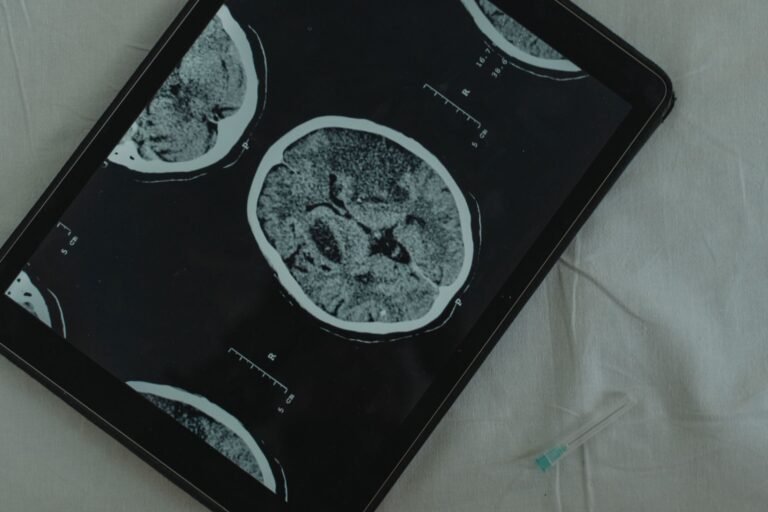
The brain of a musician looks different than the brain of a non-musician, and researchers can see those differences on an MRI scan. Instrument players show greater brain volume in areas associated with memory and auditory processing, according to Baptist Health researchers who reviewed imaging studies. But this isn’t a static trait you’re born with—it’s something your brain builds in response to the demands you place on it. Long-term musical training induces structural and functional cerebral neuroplastic processes in motor, auditory, and speech processing networks, according to research published in the National Institutes of Health database. Every time you practice a scale, read a new piece of sheet music, or adjust your finger placement, you’re sending a signal to your brain that these neural connections matter and should be strengthened. This neuroplasticity effect is why instrument playing works across age groups. A 75-year-old learning violin and a 35-year-old picking up piano both activate the same plastic mechanisms.
The older adult might progress more slowly, but the brain’s capacity to rewire itself doesn’t retire at any particular age. University of Exeter research, cited in ScienceDaily, found that playing an instrument significantly enhanced memory, attention, and problem-solving abilities. These aren’t subtle improvements—they’re measurable gains in executive function, the mental processes that let you plan, organize, and make decisions. For someone facing age-related cognitive decline, that enhancement in executive function can mean the difference between independent living and accelerated dependency. One limitation worth acknowledging: not all instruments offer equal benefit, and not all players experience the same gains. The research doesn’t break down whether piano offers different neuroplastic effects than drums or violin. Additionally, benefit correlates with consistent practice—casual playing once a month won’t produce the same results as regular, focused engagement. The 4-year MIT study specifically tracked older adults who “continued musical instrument training,” implying sustained, intentional practice rather than sporadic participation.
Playing Instruments as Dementia Prevention
The research on dementia risk is striking and direct: playing musical instruments was associated with a lowered risk of developing dementia, according to analysis published in PMC/NIH. This isn’t speculation about correlation—it’s a documented protective effect. The mechanism appears multifaceted. Musical training demands sustained attention, working memory (holding notes and timing in mind), and pattern recognition. It activates the same prefrontal circuits that deteriorate earliest in dementia. By keeping those circuits engaged and exercised, instrument playing builds cognitive reserve—a buffer against future decline. A comprehensive meta-analysis examined 22 trials involving 1,780 dementia patients who participated in music-based therapies. The findings showed that 15 of those 22 trials reported significantly improved cognition scores among music participants, and 11 showed significant improvements in quality of life. These aren’t marginal gains; they represent meaningful improvements in the very outcomes that dementia medications aim to address.
The difference is that music achieved this without the side effects often associated with cognitive medications: no tremor, no digestive upset, no fatigue. For many older adults, the risk-benefit calculation tips dramatically in music’s favor. However, here’s an important caveat: the dementia protection offered by instruments appears to be preventive rather than curative. The studies showing protective effects mostly tracked people without existing dementia diagnoses. Someone already diagnosed with moderate dementia who picks up an instrument may still experience cognitive benefits, but the evidence is stronger for using music as a preventive strategy earlier in life. Additionally, the “dementia protection” effect isn’t absolute. Playing violin won’t eliminate genetic risk factors or protect against all forms of cognitive decline. Music is one component of brain health, not a complete shield. It works best alongside other evidence-based practices: cognitive engagement, physical exercise, social connection, and sleep quality.
Why Active Playing Beats Passive Listening
Not all musical engagement produces equal results. Passive listening—putting on classical music as background while you fold laundry—has its place and offers some benefits, but it doesn’t trigger the same neuroplastic changes as actively playing an instrument. Frontiers in Public Health published 2025 research demonstrating that greater cognitive improvements occur when patients actively participate in music-making versus passive listening. This distinction matters deeply for dementia care and brain health strategy. The reason is neurological specificity. When you play an instrument, you’re integrating auditory input, fine motor control, visual attention (reading sheet music), memory (recalling technique and pieces), and emotional expression simultaneously. Your brain is working hard across multiple domains.
Listening to music activates reward centers and emotional regions, but it doesn’t demand the same executive engagement. A 70-year-old learning to play a ukulele is exercising her working memory, fine motor skills, and attention in ways that listening to ukulele music doesn’t demand. The difference is roughly equivalent to the difference between reading about exercise and actually exercising—the passive version offers some value, but the active version produces measurable structural change. This finding has direct implications for dementia programs and brain health interventions. Community singing groups, which do involve active participation, show stronger cognitive benefits than music appreciation classes. Drum circles where participants actually play beat pure listening sessions for improving mood and cognitive engagement. For caregivers trying to support a person with early cognitive decline, this means that encouraging instrument play—even simple percussion or adapted instruments—is more neurologically beneficial than simply playing music in the background. The key word is participation.
Cost-Effectiveness: An Affordable Alternative to Long-Term Medication
Cost comparisons rarely drive medical recommendations, but they matter to the people paying the bills. A portable keyboard costs substantially less than filling prescription medications over a lifetime, according to research published in NIH databases. A decent used piano might cost $1,000 to $3,000. A beginner guitar or ukulele runs $100 to $500. A one-time investment in an instrument, paired with perhaps $100 to $200 monthly for lessons initially, creates ongoing cognitive benefits at a fraction of the annual cost of medications for cognitive decline. Consider the comparison directly. A single prescription cognitive medication might cost $150 to $400 monthly—$1,800 to $4,800 annually. Over a 20-year period of aging, that’s $36,000 to $96,000 in medication costs alone, not including doctor visits and monitoring.
An acoustic guitar purchased for $300, used for 20 years with occasional $40 lessons, comes to roughly $300 plus maintenance. The economic case for instruments is compelling, especially for older adults on fixed incomes or without robust medication coverage. And unlike medications, an instrument doesn’t lose efficacy over time—in fact, consistent play often produces greater benefits as skill deepens. The accessibility advantage extends beyond cost. Instruments don’t require a prescription or doctor’s visit to begin. You can start at any age, in your home, without the bureaucratic and medical barriers that sometimes delay medication access. There’s also no addiction risk, no tolerance buildup, and no dangerous interactions with other medications. For older adults managing multiple health conditions and taking multiple drugs, adding an instrument poses minimal risk and doesn’t compound medication side effects. This doesn’t mean instruments replace necessary medications, but it does mean they often offer a cost-effective, low-risk component of a comprehensive brain health strategy that medications alone cannot provide.
When Instruments Aren’t Enough and Limitations to Consider
The research is enthusiastic about instruments’ benefits, but it’s important to maintain realism about their scope and limitations. Musical instrument playing is most effective as a preventive strategy for people without significant cognitive impairment. Someone with moderate to advanced dementia who picks up an instrument may still experience some benefits—improved mood, better social engagement, and some cognitive stimulation—but the evidence doesn’t support using instruments as a primary intervention once dementia is established. At that point, medications, comprehensive care, and family support become irreplaceable. Additionally, the barrier to meaningful benefit is consistent practice. Someone who buys a guitar, takes two lessons, and then lets it gather dust won’t experience the neuroplastic changes the research describes. Cognitive benefits correlate with sustained, intentional engagement—ideally 30 minutes or more several times per week.
This creates a practical limitation: older adults with mobility issues, severe arthritis, cognitive impairment, or limited motivation may struggle to maintain the practice schedule that produces measurable results. Adaptive instruments exist (ergonomic guitars, electronic keyboards with larger keys, hand-over-hand drumming techniques), but access to those adaptations and instruction isn’t universal. For someone newly diagnosed with dementia or in advanced stages, the cognitive capacity to learn new material may be too limited for instrument learning to be practical. A final warning: the optimistic framing around music shouldn’t delay necessary medical evaluation or medication when appropriate. Someone experiencing memory loss or cognitive changes should still see a neurologist or cognitive specialist. Some conditions causing cognitive decline—like thyroid dysfunction, B12 deficiency, or reversible dementias—require medical treatment. Playing an instrument complements medical care; it doesn’t replace it. The best strategy for brain health isn’t “choose music over medication” but rather “use instruments as part of a comprehensive approach that includes medical care, cognitive engagement, physical exercise, and social connection.”.

How Musical Training Facilitates Recovery from Neurological Injury
Beyond prevention and slowing decline, instruments offer therapeutic value in recovery from acute brain injury. Rhythmic music therapy facilitates movement recovery in patients with stroke, Parkinson’s disease, and traumatic brain injury, according to research in the NIH database. This application reveals the remarkable plasticity of the damaged brain and music’s unique ability to reorganize neural pathways around areas of injury. The mechanism is particularly powerful in stroke recovery. A stroke patient with weakened limbs on one side can use rhythm from music—the beat of a drum, the steady tempo of a song—to trigger motor neurons and retrain movement patterns. The auditory-motor connection in the brain activates alternative pathways that bypass or work around the stroke-damaged area.
A patient who couldn’t walk rhythmically on their own might walk smoothly to music, suggesting that their motor capacity still exists but has lost its organizational structure. Music provides that organization externally, helping the brain rebuild control. Parkinson’s disease patients similarly benefit from rhythmic music’s ability to externalize timing—something their brain’s internal clock struggles to generate. One example from clinical settings: a Parkinson’s patient who freezes and can’t walk often walks smoothly when following a metronome or rhythmic song, a phenomenon called “rhythmic auditory cueing.” For dementia care specifically, this suggests that instrument playing might offer benefits beyond cognitive stimulation. Engaging in rhythmic music, even passively in early stages or adaptively in later stages, could potentially support motor function and coordination. The combination of cognitive engagement and motor practice makes instruments a uniquely comprehensive intervention for neurological health.
The Future of Music as a Neurological Intervention
The research trajectory is clear: neuroscience is increasingly recognizing music not as a pleasant add-on to medical care but as a specific, measurable neurological intervention. The 2025 MIT study on older adults’ musical training and gray matter preservation signals that music research is moving from “music helps mood” to “music produces quantifiable brain changes.” Future research will likely identify which instruments, practice schedules, and teaching methods optimize cognitive outcomes. We may see personalized recommendations: this person with Parkinson’s should play a percussion instrument three times weekly; that person with early cognitive decline would benefit from piano because it demands bilateral hand coordination. The broader implication is a shift in how we think about brain health in aging.
Rather than viewing cognitive decline as inevitable and medication as the primary tool to fight it, we’re recognizing that behavioral interventions—particularly those as engaging and pleasurable as learning an instrument—can produce changes as significant as pharmaceutical ones. For someone at 60 thinking about their cognitive future, picking up an instrument isn’t just a hobby or a source of enjoyment, though it is both. It’s an evidence-based health intervention with documented protective effects. The future of brain health may look less like a medicine cabinet and more like a music room.
Conclusion
Playing a musical instrument matters for brain health because it produces measurable structural changes in regions critical to memory, attention, and emotional regulation. Research demonstrates that older adults who engage in sustained musical training show better preservation of verbal working memory, increased gray matter volume in key brain areas, and reduced dementia risk compared to those who don’t play. These benefits come without the medication side effects, with greater cost-effectiveness, and with the added advantage of engagement and joy—elements that no pill bottle can provide. For someone concerned about cognitive aging, an instrument offers a low-risk, high-evidence approach to building cognitive reserve and protecting the brain. The next step is simple and immediate: if cognitive aging concerns you or someone you care for, explore what instrument appeals to you.
Consult with a doctor about overall brain health strategy, but don’t wait for medical authorization to begin something that carries no real risk. Start with lessons if possible, or use online resources if cost or accessibility is a barrier. Commit to consistent practice, recognizing that benefit builds over weeks and months, not overnight. The instrument sitting in a music store or gathering dust in a closet is waiting. Your brain is waiting too. The evidence shows that meeting at that intersection—between your hands and those strings or keys—is one of the most powerful things you can do for your cognitive future.
You Might Also Like
- Why playing an instrument Matters More Than Medication for Brain Health
- Why taking 8,000 steps a day Matters More Than Medication for Brain Health
- Why taking 8,000 steps a day Matters More Than Medication for Brain Health
For more, see NIH MedlinePlus — dementia.