Reviewed by the Help Dementia Editorial Team — our editors review every article for accuracy against guidance from the National Institute on Aging, the Alzheimer’s Association, and peer-reviewed sources.
Adding having sits at the center of this dementia and brain health question.
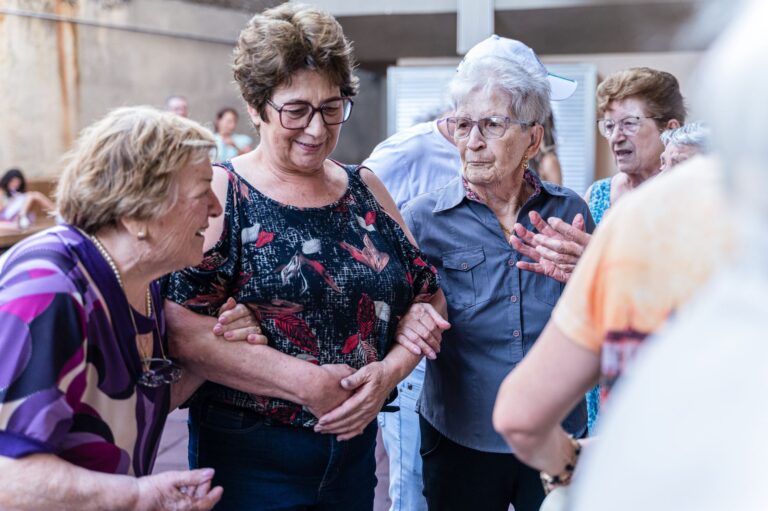
Yes, building strong social connections into your daily and weekly routine can significantly protect against dementia. Research shows that older adults who are most socially active have a 38% lower risk of developing dementia compared to those who are least socially active, and they may delay dementia onset by as much as five years. This isn’t about occasional contact—it’s about making regular engagement with others a consistent part of how you live.
A person who stays actively connected with family, friends, and community may develop dementia at age 92, while a socially isolated person with similar health markers might show symptoms at 87. The evidence has become too substantial to ignore. Recent studies published in Alzheimer’s & Dementia and supported by the World Health Organization now recognize social health as a critical pillar of dementia prevention, placing it alongside diet, exercise, and cognitive engagement. What makes this finding particularly valuable is that social engagement is free, accessible to most people regardless of income or mobility, and offers benefits that extend far beyond brain health—including a longer lifespan and substantial healthcare cost savings.
Table of Contents
- How Does Social Activity Actually Reduce Dementia Risk?
- What the Latest Research Actually Shows About Social Engagement
- Different Types of Social Connection and Their Dementia-Prevention Value
- Building Social Connection Into Your Actual Daily Routine
- When Social Connection Isn’t Enough: Understanding the Limitations
- Technology, Distance, and Staying Connected
- The Global Research Expansion and What’s Coming Next
- Conclusion
How Does Social Activity Actually Reduce Dementia Risk?
The mechanisms behind social connection’s protective effect involve multiple pathways in the brain. When you engage regularly with others, you stimulate cognitive reserve—the brain’s ability to compensate for damage and maintain function. Conversation requires complex processing: you listen, interpret social cues, formulate responses, and navigate emotional content. This cognitive workout strengthens neural networks and builds connections that create redundancy in the brain, making it more resilient to the changes associated with dementia.
Additionally, social activity reduces inflammation and stress hormones like cortisol, both of which accelerate cognitive decline when elevated over time. Regular social interaction also tends to encourage other protective behaviors: people with strong social networks typically have better sleep, engage in more physical activity, and are more likely to seek medical care when needed. The protective effect appears consistent across different types of social connection—whether through family gatherings, friendship circles, volunteer work, or even regular phone contact. Studies show that people who maintain phone contact at least twice per week with others have significantly lower odds of developing mild cognitive impairment or dementia, making this form of connection valuable even for those with mobility limitations.

What the Latest Research Actually Shows About Social Engagement
A significant 2025 study tracking thousands of older adults found that those with the greatest social activity experienced not only a 38% reduction in dementia risk but also a 21% reduction in mild cognitive impairment—a key precursor condition. The same research revealed that the least socially active group developed dementia at an average age of 87.7 years, while the most socially active group delayed onset until 92.2 years. This five-year difference represents more years of independence, more time with family, and substantially better quality of life.
The economic implications are equally striking: researchers estimated that each person who avoids dementia through increased social activity generates approximately $500,000 in lifetime healthcare savings. Beyond dementia prevention, a meta-analysis of 148 studies involving over 308,000 participants found that people with stronger social relationships had a 50% increased likelihood of survival compared to those who were socially isolated. There’s an important limitation here: while the research is robust for older adults, the strength of benefit varies based on individual factors including baseline cognitive function, personality type, and access to transportation or technology. An introvert may benefit from smaller, intimate gatherings rather than large group events, and the quality of relationships matters more than the raw number of social contacts.
Different Types of Social Connection and Their Dementia-Prevention Value
Not all social engagement is identical, and different forms offer varying benefits depending on your circumstances and preferences. Face-to-face interaction provides the strongest cognitive stimulation because it engages multiple senses simultaneously and requires real-time social processing. However, regular phone calls, video conversations, and even participation in online communities with meaningful relationships offer measurable protection.
For people with limited mobility or those living in rural areas, frequent phone contact—defined as at least twice weekly in research studies—has been shown to reduce the risk of mild cognitive impairment and dementia. Structured activities like volunteer work, classes, clubs, or religious communities provide dual benefits: the social interaction itself plus the cognitive engagement of learning or contributing to something meaningful. For example, a 72-year-old who joins a book club gets weekly social contact, engages in discussion that requires memory and analysis, and often experiences the mood-boosting effect of feeling part of a community. The World Health Organization and United Nations have now recognized social health as a priority through the UN’s Decade of Healthy Ageing (2021-2030), and research is expanding globally through initiatives like the World-Wide FINGERS network, which is testing locally adapted dementia prevention interventions across more than 60 countries.

Building Social Connection Into Your Actual Daily Routine
The challenge many people face is translating research findings into actual lifestyle changes. Experts now recommend maintaining weekly to monthly social interactions with family, friends, and community members as a baseline for cognitive protection. This might look like a standing weekly lunch date, a monthly dinner with friends, regular participation in a hobby group, consistent volunteer shifts, or even scheduled video calls with distant relatives. The key word is “consistent”—occasional, sporadic connection doesn’t provide the same protective benefit as regular, predictable engagement. One practical approach is to anchor social activities to existing routines.
If you already go to the grocery store on Tuesday mornings, add a coffee date with a friend beforehand. If you attend religious services, arrive early or stay after to chat with people. If you enjoy a particular hobby, join a club focused on that interest rather than practicing alone. The beauty of this strategy is that it requires minimal additional time while dramatically increasing cognitive stimulation. However, there’s a tradeoff worth acknowledging: if you’re naturally introverted or dealing with depression, forcing yourself into excessive social situations can feel draining rather than energizing. The goal is consistent but comfortable engagement—not exhausting yourself through forced socializing that feels inauthentic.
When Social Connection Isn’t Enough: Understanding the Limitations
While social engagement is a powerful protective factor, it works best as part of a comprehensive approach to brain health. Someone who is socially active but leads a sedentary lifestyle, eats poorly, or experiences untreated depression won’t get the full benefit of their social connections. Depression, in particular, can paradoxically lead to social withdrawal even when people understand intellectually that connection would help them—it’s a limitation of willpower-based approaches to health. Additionally, not all social situations are equally beneficial; relationships that are characterized by chronic stress, conflict, or significant power imbalances may provide less protection than supportive, reciprocal friendships.
There’s also a significant access issue that research often downplays: not everyone has equal opportunity to build social connections. People with hearing loss may struggle with conversation; those with mobility limitations may have difficulty attending in-person gatherings; people experiencing poverty may lack transportation; and those living in isolated rural areas or with limited family networks face structural barriers. The fact that research shows weekly or monthly contact is protective doesn’t mean this frequency is equally achievable for everyone. When evaluating social engagement recommendations, it’s important to consider your actual constraints and find forms of connection that are genuinely accessible to you.
Technology, Distance, and Staying Connected
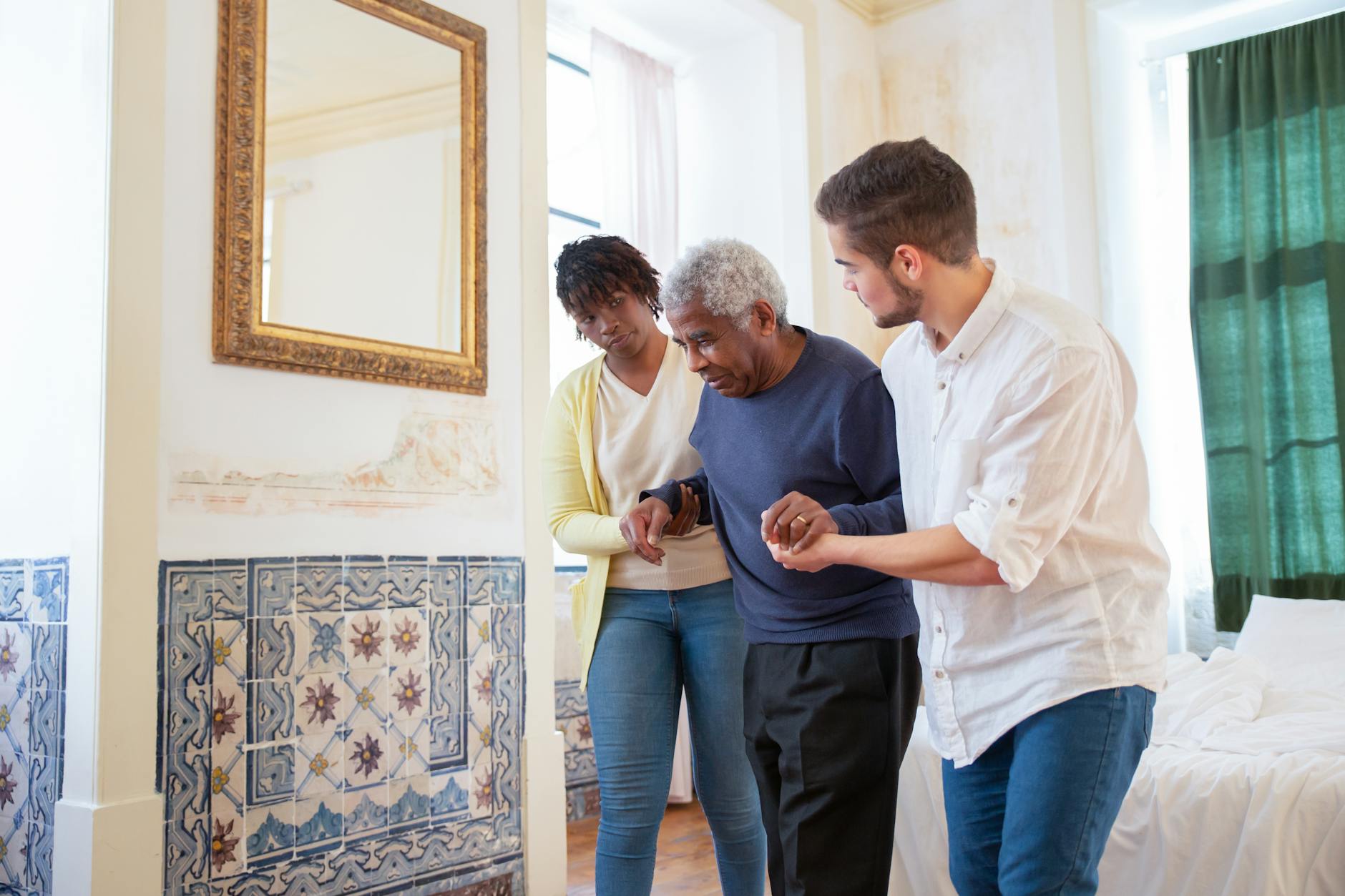
For adult children and grandchildren living far away, digital communication tools offer a genuine way to provide dementia protection for aging parents and grandparents. Video calling, messaging apps, and social media allow for regular contact that, while not identical to in-person interaction, still provides measurable cognitive benefits. Research on phone contact specifically shows that the regular stimulation and emotional connection matter, even without visual cues.
A grandmother who receives regular video calls from grandchildren across the country gets cognitive stimulation from conversation, emotional engagement from seeing faces and hearing about their lives, and the mood boost from feeling valued and connected to their family’s ongoing story. The limitation here is that technology can become a substitute rather than a supplement. Someone who video calls distant family but has no local social engagement might benefit from building community connections closer to home as well. Hybrid approaches often work best: using technology to maintain distant relationships while simultaneously building or strengthening local community ties through clubs, volunteer work, or neighborhood connections.
The Global Research Expansion and What’s Coming Next
The recognition of social engagement’s role in dementia prevention has sparked significant research expansion worldwide. The World-Wide FINGERS network, now operating across more than 60 countries, is testing how dementia prevention interventions—including social engagement components—can be adapted to different cultural, economic, and social contexts. This global approach is important because social connection looks different in different cultures; what constitutes meaningful engagement in a tight-knit multi-generational household in one region might differ from what works in a more individualistic society.
As research continues to evolve, the evidence suggests that dementia prevention will increasingly be understood as a community and social matter, not just an individual health issue. The combination of social engagement plus cognitive activity, physical exercise, heart-healthy diet, quality sleep, and hearing correction has been shown to reduce cognitive decline risk substantially. This represents a shift away from looking for a “magic pill” toward recognizing that how we live—including how connected we are to others—is fundamental to protecting our brains as we age.
Conclusion
Adding strong social connections to your routine is one of the most accessible and evidence-supported actions you can take to protect against dementia. A 38% reduction in dementia risk, the potential to delay onset by five years, and an added three years of lifespan are meaningful outcomes—but they’re the quantifiable benefits. Perhaps more valuable are the immediate rewards: deeper relationships, a sense of community, regular intellectual stimulation through conversation, and the simple human experience of mattering to others. These are worth pursuing regardless of what happens to your brain down the road.
Start where you are, with what’s available to you. If you’re socially isolated, even small steps—one regular phone call per week, attending a single community activity monthly, or joining an online group focused on your interests—move you toward the protective zone that research has identified. If you already have strong social connections, recognize and appreciate their protective power. If you notice barriers to connection in your life—isolation, depression, or access issues—those are worth addressing with support from family, friends, or professionals who can help. Social connection isn’t a luxury add-on to a health routine; it’s a foundational component of brain health and longevity.
You Might Also Like
- Adding having strong social connections to Your Routine Could Protect Against Dementia
- Adding wearing hearing aids to Your Routine Could Protect Against Dementia
- Adding wearing hearing aids to Your Routine Could Protect Against Dementia
For more, see CDC — Alzheimer’s and Dementia.