
Reviewed by the Help Dementia Editorial Team — our editors review every article for accuracy against guidance from the National Institute on Aging, the Alzheimer’s Association, and peer-reviewed sources.
Yoga matters sits at the center of this dementia and brain health question.
Yoga matters more than medication for brain health in one crucial way: it changes your brain’s physical structure without the side effects. Recent research shows that yoga practitioners develop greater cortical thickness and gray matter volume in multiple brain regions, with effects that strengthen the longer someone practices. Yet this doesn’t mean you should stop taking medication. The science is clear that yoga works best alongside medication and therapy, not as a replacement—but as a complementary tool, it addresses brain health from an angle medications alone cannot reach. Consider what happened to Margaret, a 62-year-old woman with memory problems and mild depression.
After her neurologist recommended a combination approach—her existing antidepressant plus three yoga classes weekly—she noticed changes within weeks. Her doctor documented improvements in her memory scores and attention span. The medication helped regulate her mood, but the yoga seemed to rebuild something tangible in her brain. A 2025 study using advanced brain imaging found that yoga creates significant changes in how the brain’s electrical activity is organized, with more than 65% of the brain’s topographic patterns shifting after training. This isn’t just feeling better. This is measurable change.
Table of Contents
- Can Yoga Achieve What Medication Cannot?
- How Yoga Physically Rebuilds the Brain
- The Cognitive Edge That Extends Beyond Mood
- Medication Plus Yoga Versus Medication Alone
- Why Yoga Sometimes Fails and What That Teaches Us
- Understanding the Medication Comparison Honestly
- The Future of Brain Health Doesn’t Look Like a Prescription Pad
- Conclusion
Can Yoga Achieve What Medication Cannot?
Yoga and medication work through fundamentally different mechanisms, which is why comparing them directly misses the point. Medications typically work by adjusting neurotransmitter levels—increasing serotonin for depression, reducing anxiety through GABA pathways. Yoga appears to rebuild the brain’s infrastructure itself. Studies show that women practicing yoga demonstrated the strongest improvements in memory, followed by gains in attention, processing speed, and executive functions. These aren’t side effects of feeling relaxed; they’re measurable cognitive improvements tracked across standardized tests.
The research on depression reveals the practical difference. Yoga produced a Cohen’s d of -0.60 on depression severity scales, with 42% of yoga participants showing a 50% reduction in depressive symptoms at six months compared to 31% in a control group. For anxiety, yoga showed a Cohen’s d of -0.26, a small but significant effect. Neither of these numbers make yoga a miracle cure, but they’re comparable to what many antidepressants achieve—and they come without the sexual dysfunction, weight gain, or sleep disturbance that often accompany medication. The limitation worth stating: we don’t have head-to-head studies directly comparing yoga to medication in the same patients. The evidence suggests they work differently enough that combining them makes more sense than choosing one.

How Yoga Physically Rebuilds the Brain
The transformation happens at the neurological level. Brain imaging studies show that people who practice yoga regularly have greater cortical thickness, increased gray matter volume, and higher gray matter density in multiple regions. The more years someone practices yoga, the more pronounced these changes become. This relationship between practice duration and brain volume is crucial because it suggests the benefit isn’t random—it’s dose-dependent and cumulative. A 2025 study published in Nature provides the most sophisticated picture yet of how yoga reshapes brain function. Using electroencephalogram recordings, researchers measured how the brain organizes its electrical activity.
They found that yoga training produces dramatic changes in temporal microstates—essentially the brief states of brain activity the brain cycles through. The global variance in topographic brain patterns shifted by greater than 65% before and after yoga training. Translation: yoga doesn’t just calm you down temporarily. It reorganizes how your brain’s networks communicate with each other. The warning here is important: these studies document what happens with consistent practice. Yoga requires commitment—research shows benefits emerge after at least 8 weeks of practice at 2-3 classes per week, with sessions lasting a full hour. Sporadic attendance won’t produce these structural changes.
The Cognitive Edge That Extends Beyond Mood
While depression and anxiety treatment get most attention, the cognitive benefits may matter most for someone concerned about dementia and brain aging. The American Heart Association’s 2025 analysis found that women practicing yoga showed the greatest improvements in memory, with measurable gains across attention span, processing speed, and executive function—the mental abilities required for planning, decision-making, and complex thinking. For aging brains, these functions matter more than feeling happier. The mechanism appears to involve brain regions crucial for memory formation and retrieval.
By increasing gray matter in areas responsible for learning and recall, yoga may offer preventive protection against cognitive decline. Someone practicing yoga regularly isn’t just treating an existing mental health condition; they’re potentially building cognitive reserve—extra brain capacity that may protect them if neurodegenerative changes occur later. A practical example: people with mild cognitive impairment who added yoga to their routine sometimes stabilized or even improved, rather than following the typical decline trajectory. The limitation worth noting: this doesn’t reverse advanced dementia. Yoga’s strongest evidence is for prevention and early intervention, not reversing established neurodegenerative disease.

Medication Plus Yoga Versus Medication Alone
The research consensus is clear: yoga isn’t a substitute for medication in treating serious depression or anxiety disorders. Clinical guidelines consistently describe yoga as a complementary treatment—something that works best alongside medication and therapy, not instead of it. This matters especially for anyone with moderate to severe depression, bipolar disorder, or severe anxiety, where medication is often necessary for safety. But the combination approach produces results neither alone typically achieves. Medication handles acute symptom relief—it lifts mood, reduces panic, helps you sleep.
Yoga handles structural brain rebuilding and provides ongoing tools for managing stress and mood. Someone taking an antidepressant while attending yoga classes benefits from both the chemical support of medication and the neurological rebuilding of yoga. The trade-off is time commitment; yoga requires consistent attendance while medication requires only pills. For many people, the trade makes sense. The cost comparison is striking: a yoga class might cost $10-20 per session, while psychiatric medication and therapy sessions cost substantially more and sometimes produce side effects that require additional medication. Yoga’s safety profile is unmatched—research has documented no adverse events in yoga groups during clinical treatment trials.
Why Yoga Sometimes Fails and What That Teaches Us
Not everyone who tries yoga experiences significant benefits, and understanding why matters. Some people have unrealistic expectations—they expect dramatic mood changes from a single class or believe yoga will replace medication they genuinely need. Others lack consistency. Yoga’s benefits are dose-dependent. Practicing once or twice monthly won’t produce the gray matter changes documented in research. The 8-week minimum at 2-3 classes weekly is the floor, not the ceiling.
Physical limitations also matter. Someone with severe arthritis may struggle with poses, and a poor-quality class focused on extreme flexibility rather than mindful movement won’t produce the same brain benefits as a thoughtful practice. The style of yoga matters—research showing brain changes typically involves styles that combine movement with breathing and mindfulness, not purely flexibility-focused classes. This is worth stating clearly: if you’re considering yoga for brain health, choose a class emphasizing breath work, body awareness, and mindfulness, not one chasing Instagram-worthy poses. A final warning: yoga can cause injury if done incorrectly, especially for aging bodies. A qualified instructor who understands your physical limitations is essential.
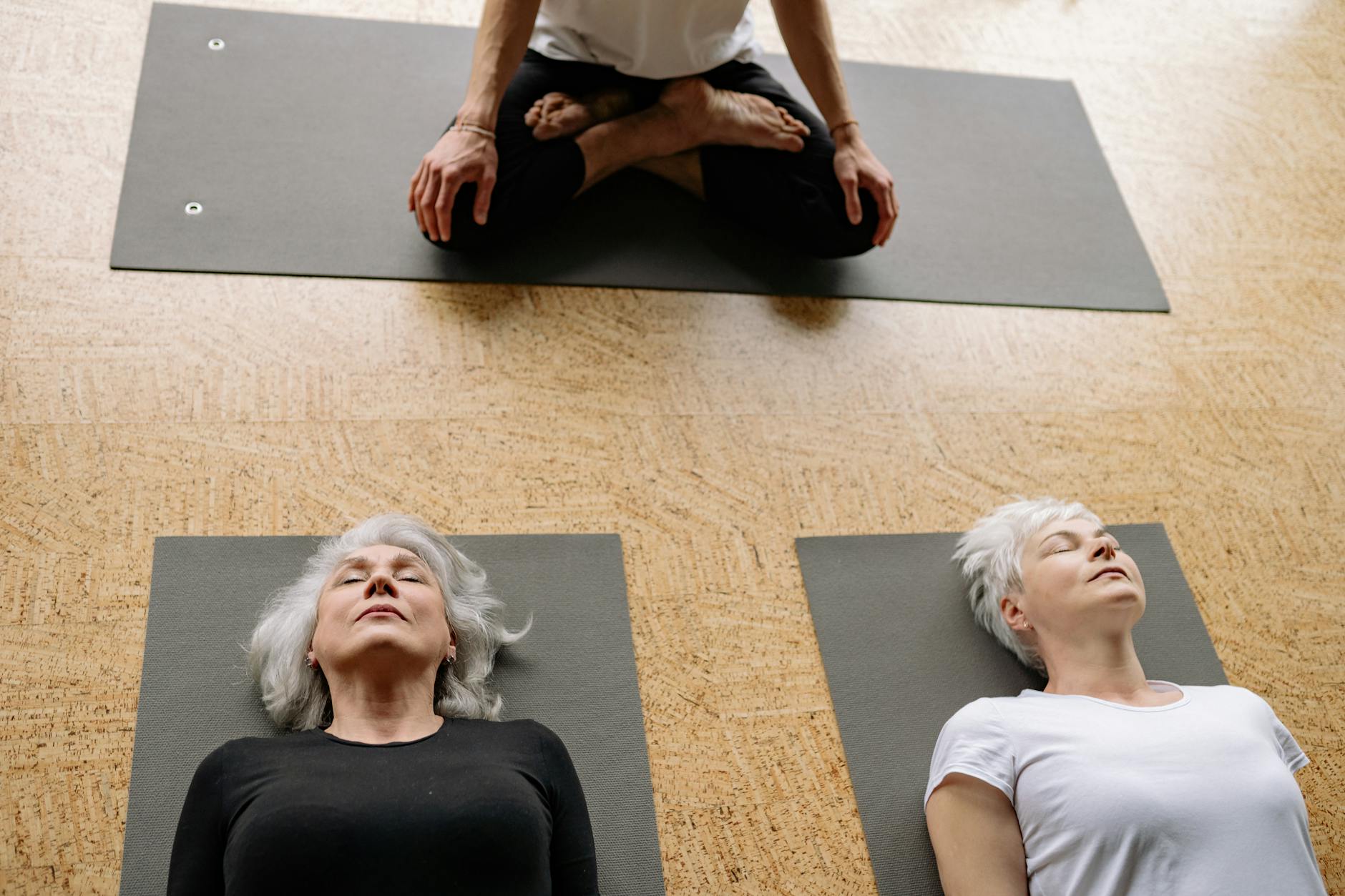
Understanding the Medication Comparison Honestly
The claim that yoga “matters more than medication” needs careful unpacking, because the statement can be misleading in ways that put people at risk. For severe depression with suicidal ideation, medication isn’t optional—it’s potentially life-saving. For severe anxiety preventing someone from functioning, medication provides essential support. In these acute situations, medication matters more than anything.
Where yoga arguably matters more is in prevention, maintenance, and long-term brain health. Someone with mild depression who practices yoga regularly may never need medication. Someone on an antidepressant who adds yoga may eventually reduce their dose with their doctor’s guidance. For the chronic phase of brain health—the long arc of aging and cognitive maintenance—the lifestyle factors yoga engages appear to offer benefits medications alone cannot provide. This is why the most honest comparison isn’t yoga versus medication, but rather how to use both strategically across different stages and situations.
The Future of Brain Health Doesn’t Look Like a Prescription Pad
The emerging evidence suggests brain health in the coming years will look less like finding the right medication and more like finding the right lifestyle practices that work for your specific brain. Yoga fits into this emerging model not as a replacement for psychiatry but as a fundamental brain maintenance tool. The 2025 research showing how yoga reshapes the brain’s electrical organization opens new questions about whether yoga could prevent cognitive decline before it starts, or slow it in early stages. What makes this future-looking approach realistic is its safety and sustainability.
You can’t take antidepressants forever without metabolic consequences. You can practice yoga your entire life. The cost-effectiveness alone suggests aging populations should be emphasizing yoga access as seriously as medication access. The research hasn’t found some hidden medication that rebuilds brain structure without side effects. Instead, it’s found that moving your body mindfully, breathing consciously, and practicing regular attention training does something medications can’t.
Conclusion
Yoga matters more than medication for brain health specifically because it addresses the physical structure and organization of the brain through mechanisms medication cannot replicate. It builds gray matter, reorganizes neural networks, and produces cognitive improvements in memory, attention, and executive function. Yet this doesn’t diminish medication’s role—for acute symptoms, medication often provides essential, life-saving support that yoga cannot replace.
The practical reality is this: if you have a diagnosed mental health condition or neurological concern, work with a doctor to determine whether medication is necessary. Then, regardless of medication status, add yoga to your routine. At 2-3 sessions weekly for at least 8 weeks, the research suggests you’ll experience measurable changes in your brain. This is brain health built on both sound medical care and consistent practice—not one replacing the other, but both working toward the same goal: a brain that functions better and ages better.
You Might Also Like
- Why walking 30 minutes daily Matters More Than Medication for Brain Health
- Why walking 30 minutes daily Matters More Than Medication for Brain Health
- Why aerobic exercise Matters More Than Medication for Brain Health
For more, see Alzheimer’s Association.


