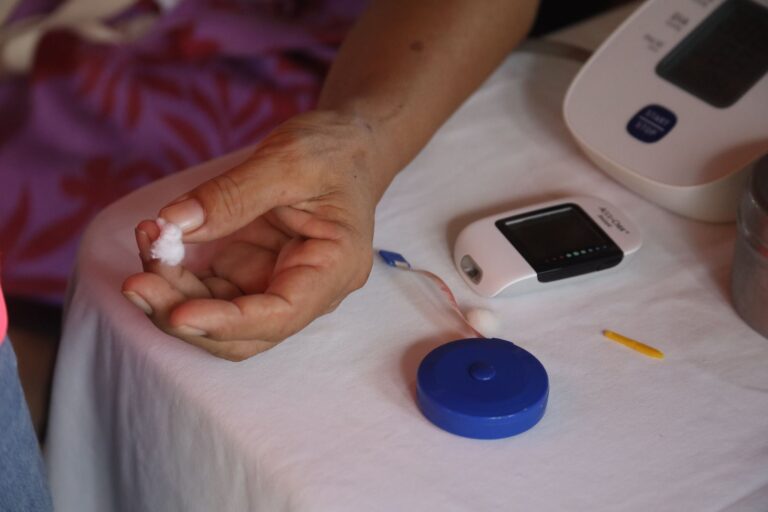
A dementia medication dispenser can reduce reminder burden, but it cannot determine the right response to every missed or delayed dose. The safe response depends on the medicine, the delay, the number of missed doses, and whether the person actually swallowed it. A medication dispenser stores or releases scheduled pills and may send reminders or caregiver alerts. It can support a care plan, but it does not replace medication-specific instructions or human oversight.
Medical information disclaimer: This article is for general educational purposes only and does not provide medical advice, diagnosis, or treatment. Always consult a physician or other qualified health professional about symptoms, medications, tests, or treatment decisions.
Table of Contents
- When is a dose delayed or missed?
- What should a caregiver do after an alert?
- Why the medicine matters more than the dispenser
- Can a dispenser reliably prevent missed doses?
- How much caregiver oversight is needed?
When is a dose delayed or missed?
A delayed dose has not been taken at its scheduled time. Whether it can still be taken depends on the medicine's instructions and how close it is to the next dose. A missed dose generally means the scheduled dose was not taken before another dosing decision arose.
A dispenser's alert threshold does not establish the medical cutoff. For example, Hero currently sends its caregiver alert 15 minutes after a scheduled dose, but that timing is a product setting, not a universal dosing rule. Do not interpret "15 minutes late" or another device threshold as permission to take, skip, or replace a dose. Check the medication label or instructions from the pharmacist or prescriber.
What should a caregiver do after an alert?
First establish what happened. The person may have ignored the reminder, removed the medicine without taking it, dropped it, or taken it without completing the device's confirmation step.
Use a short verification process: The FDA's remote medication-management guidance expressly distinguishes dispensing from ingestion. It anticipates that a person might receive a dose and then drop or lose it before taking it.
- Ask whether the medicine was taken, if the person can answer reliably.
- Check the dispensing cup, floor, clothing, and nearby surfaces for a dropped dose.
- Review the dispenser record, but do not treat it as proof of ingestion.
- Follow the instructions for that specific medicine.
- Contact the pharmacist or prescriber if the dose cannot be accounted for.
Why the medicine matters more than the dispenser
There is no safe universal "dispense it again" rule. Redispensing may create a duplicate dose if the first medicine was swallowed, while skipping may extend an interruption. The FDA donepezil patient labeling says to take only the next usual dose after one is missed and never take two doses together.
It also directs patients to contact their doctor after seven or more missed days. The FDA label for extended-release memantine also says not to double the next dose. However, an interruption lasting several days may require restarting at a lower dose and gradually increasing it again. These examples should not be applied to other medicines without checking their instructions.
Can a dispenser reliably prevent missed doses?
Dispenser alarms and remote alerts may help, especially when someone can recognize the prompt, retrieve the correct dose, and confirm what happened. Their effectiveness becomes less certain when dementia affects judgment, attention, memory, or the ability to complete several steps. In a small assisted-living usability study, cognitively impaired participants completed an average of 34.7% of essential delivery-unit tasks. Participants without cognitive impairment completed 69.0%.
This supports assessing the individual rather than assuming that any automated dispenser will be suitable. Evidence for reminder systems remains limited. A 2026 systematic review of seven small randomized studies involving 350 participants—mostly people with mild impairment—found promising results, but most positive findings were not statistically significant. A dispenser may help, but it should not be treated as proof that missed doses will stop.
How much caregiver oversight is needed?
The National Institute on Aging advises caregivers to maintain a medication list, use reminders or a pill organizer, and call a person with Alzheimer's who lives alone. A connected dispenser can support those measures, but it should fit the person's current abilities.
Before relying on one, confirm that: Reassess the arrangement as dementia changes. If the person cannot reliably retrieve, swallow, and confirm a dose, arrange direct caregiver confirmation instead of treating an empty dispenser cup as proof.
- The person responds consistently to its sound, screen, or light.
- Someone receives and acts on missed-dose alerts.
- Wi-Fi-dependent notifications are monitored for connection failures.
- The medication list and device schedule match current instructions.
- Caregivers have a plan for unaccounted-for pills and multiple missed days.