Naval conflicts sits at the center of this dementia and brain health question.
The 2026 U.S.-Iran naval conflict represents a dramatic escalation far beyond anything the two nations have experienced in their four decades of maritime tensions. While previous clashes—most notably Operation Praying Mantis in 1988 and the “Tanker War” of the late 1980s—were significant but limited in scope, the current situation involves coordinated strikes with Israel, systematic destruction of Iran’s entire naval capacity, major ground troop deployment, and a catastrophic impact on global shipping. The difference is not in isolated naval incidents but in the breadth of military engagement, the concentration of force (two U.S.
aircraft carriers representing the largest Middle East presence since 2003), and the damage inflicted—Iran’s main warships have been destroyed, and 70% of tanker traffic through the Strait of Hormuz has ceased. This article explains why America and Iran have clashed at sea before, what happened in those earlier conflicts, and precisely why 2026 marks a fundamentally different moment in their relationship. The historical record shows that U.S.-Iran naval tension has roots in Cold War geopolitics, but the direct military engagements began during Iran’s conflict with Iraq in the 1980s. Understanding the earlier clashes is essential for grasping why this year’s escalation—beginning with nearly 900 joint U.S.-Israeli strikes on February 28—represents a departure in scale, coordination, and consequences rather than a repeat of past patterns.
Table of Contents
- What Caused Earlier U.S.-Iran Naval Conflicts?
- Operation Praying Mantis: The Last Major Confrontation
- The Strait of Hormuz and Shipping Disruption
- Scale and Coordination: The 2026 Escalation
- Destruction of Iran’s Naval Fleet
- Ground Deployment and the Shift to Sustained Conflict
- Diplomatic Developments and Future Outlook
- Conclusion
- Frequently Asked Questions
What Caused Earlier U.S.-Iran Naval Conflicts?
The United States and iran first engaged in direct naval confrontations during the Iran-Iraq War (1980-1988), when both nations competed for control of Persian Gulf shipping lanes. During Operation Earnest Will in the mid-to-late 1980s, American warships escorted Kuwaiti tankers through the gulf as both Iran and Iraq attacked merchant vessels. Iran, seeking to disrupt Iraqi oil exports and Western support for Iraq, began mining shipping lanes and attacking tanker convoys. The USS Samuel B.
Roberts, a guided-missile frigate, hit an Iranian mine on April 14, 1988—a pivotal moment that would trigger America’s largest naval retaliation since World War II just four days later. This “Tanker War” period reflected a pattern that remains relevant today: Iran uses naval assets and asymmetric tactics (mines, small fast-attack craft, threats to shipping) to project power and leverage against the United States. The 1988 clashes occurred within a regional power struggle between Iran and Iraq, with the U.S. backing Iraq and seeking to maintain shipping freedom. However, these conflicts were episodic—they flared up and died down—rather than involving the comprehensive destruction of one side’s naval infrastructure or coordinated multinational strikes on that scale.

Operation Praying Mantis: The Last Major Confrontation
When Iran’s mine hit the USS Samuel B. Roberts on April 14, 1988, the U.S. navy responded with overwhelming force. Operation Praying Mantis, launched just four days later on April 18, 1988, deployed nine American warships and an entire carrier air wing against Iranian naval targets. This operation stands as the largest surface naval action for the U.S. military since World War II—a significant assertion of American dominance in the region.
The U.S. destroyed Iranian naval vessels and oil platforms, demonstrating that direct naval confrontation with Iran would result in swift American victory. However, Operation Praying Mantis was a one-off retaliation, not a sustained campaign. Once Iran faced decisive defeat, both sides de-escalated. The operation involved no coordination with other nations, no joint strikes with Israel, and no attempt to systematically destroy Iran’s entire naval fleet. Instead, it was a response to a specific provocation (the mine strike) that reasserted American naval supremacy without fundamentally altering Iran’s military capability or the regional balance of power. The conflict ended in stalemate after the Iran-Iraq War concluded later that year. This restraint—responding to incidents without pursuing total destruction of Iran’s forces—would characterize U.S.-Iran relations for the next three decades.
The Strait of Hormuz and Shipping Disruption
Both the 1980s conflicts and the 2026 crisis center on control of the Strait of Hormuz, one of the world’s most critical shipping chokepoints. Through this narrow waterway between Iran and Oman passes roughly one-third of global seaborne oil trade. In the 1980s, Iran’s attacks on tankers during the tanker war killed crews and damaged ships, but the disruptions were intermittent and manageable—shipping continued, albeit with higher insurance costs and risk premiums. Tanker traffic was disrupted but never threatened to close the strait entirely.
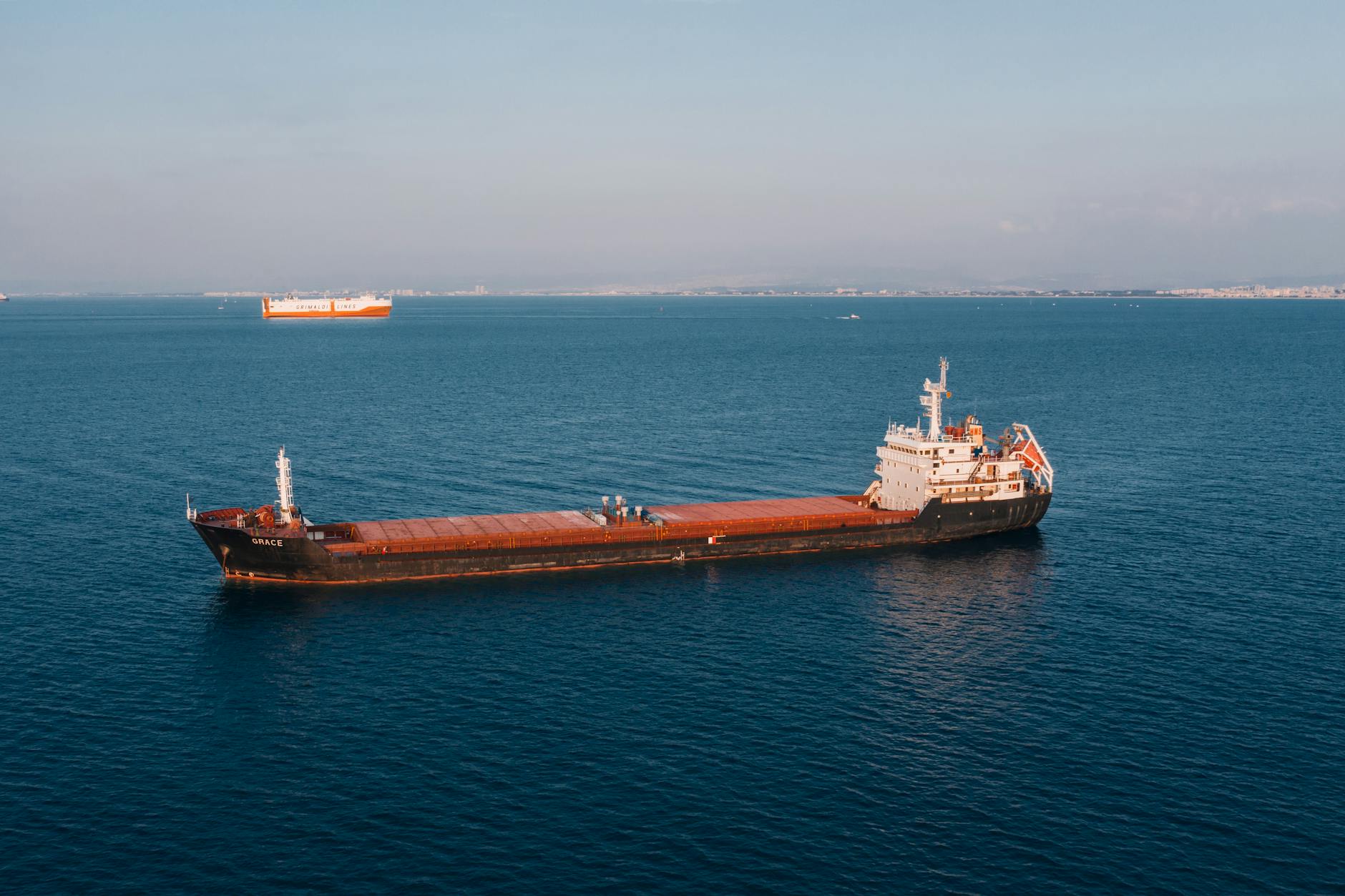
In 2026, the situation has fundamentally changed. As of March 12, Iran has made 21 confirmed attacks on merchant vessels, and more significantly, Iran declared the Strait of Hormuz “closed” starting March 4. Tanker traffic has collapsed by 70%, with more than 150 ships anchoring outside the strait, awaiting safer passage. This represents not just disruption but a near-total blockade—something Iran threatened but never achieved in the 1980s. The economic implications are far more severe: a sustained closure of the strait threatens global energy supplies and inflation worldwide, making the shipping crisis the most destabilizing element of the 2026 conflict.
Scale and Coordination: The 2026 Escalation
The defining difference between historical U.S.-Iran naval conflicts and the 2026 situation lies in scale and coordination. Operation Praying Mantis involved nine U.S. ships and aircraft from one carrier. The 2026 response began with nearly 900 joint U.S.-Israeli strikes in 12 hours on February 28—the largest coordinated operation in the region since the 2003 Iraq invasion. These strikes targeted Iranian missiles, air defenses, and military infrastructure across the country, not just naval assets. By February 13, 2026, two U.S.
aircraft carriers had assembled in the Middle East (USS Gerald R. Ford deploying to join existing forces), creating the largest American naval presence since October 2023 and one of the most significant force postures since 2003. This is not a response to a single incident like a mine strike; it is a sustained, multinational military campaign. The U.S. military has hit more than 6,000 targets. The sheer magnitude dwarfs the 1988 confrontation and signals a fundamental shift in American strategic intent—not merely to repel Iranian aggression but to degrade Iran’s entire military capacity.
Destruction of Iran’s Naval Fleet
One of the most striking aspects of the 2026 conflict is the systematic elimination of Iran’s modern warships—something never achieved in previous clashes. U.S. forces have destroyed more than 20 Iranian naval vessels, and CENTCOM has confirmed that entire classes of Iranian warships have been destroyed. Specific losses include IRIS Dena, a frigate that was sunk by a U.S. submarine in what became the first submarine sinking in combat since the Falkland War (1982) and the first by a U.S. submarine since World War II.
Other major losses include the Shahid Bagheri (a drone and helicopter carrier), IRIS Bayandor, and IRIS Naghdi. Iran’s naval forces have been rendered “ineffective,” according to U.S. assessments, though they remain capable of limited strikes on shipping through mines, small fast-attack craft, and drones. In contrast, during Operation Praying Mantis in 1988, while the U.S. damaged Iranian vessels and platforms, Iran’s navy continued to exist as a functioning force. By 2026, Iran has lost the ability to conduct meaningful large-scale naval operations. This destruction is neither reversible in the short term nor something that occurred gradually—it happened in weeks through coordinated air and naval strikes.

Ground Deployment and the Shift to Sustained Conflict
For the first time in recent U.S.-Iran naval tensions, the conflict has triggered major ground force deployment. Between 2,000 and 3,000 paratroopers from the 82nd Airborne Division have received deployment orders, and an additional 2,500 Marines are being positioned as a potential ground combat option. This ground deployment signals that the conflict is no longer expected to be resolved through naval and air superiority alone—it reflects preparation for a prolonged confrontation that could extend to land operations. In the 1988 Operation Praying Mantis and the broader Tanker War, there was no significant U.S.
ground presence in the region. The conflicts remained naval in nature. The 2026 buildup indicates that American planners are preparing not for a quick response to Iranian provocation but for sustained military operations. This represents a fundamental escalation in commitment and expected duration.
Diplomatic Developments and Future Outlook
Despite the military escalation, diplomatic efforts continue. A draft ceasefire proposal with 15 points has emerged, including calls for Iran to commit to never pursuing nuclear weapons and dismantling existing nuclear capabilities.
This suggests that while the military campaign is intense, both sides recognize the need for a negotiated settlement—an element absent from the brief 1988 clashes, which simply ended when one side achieved tactical victory. The 2026 conflict differs fundamentally from past U.S.-Iran naval confrontations in that it combines military devastation of Iranian forces with diplomatic pathways toward resolution. Whether this balance tips toward lasting ceasefire or further escalation remains unclear, but the mere presence of such proposals indicates that both nations understand the stakes of continued conflict exceed what either side experienced in previous decades.
Conclusion
The history of U.S.-Iran naval conflict spans four decades, but the escalations were episodic until 2026. Operation Praying Mantis in 1988 demonstrated American naval superiority in a single, overwhelming operation; the Tanker War of the late 1980s showed Iran’s ability to disrupt but not close shipping lanes. These earlier conflicts were significant but bounded—they occurred within the context of the Iran-Iraq War, involved limited geographic scope, and ended when one side achieved tactical advantage. The 2026 conflict is different in nearly every dimension: it is multinational (U.S.
and Israel), multidomain (naval, air, and ground), systematic in destroying Iran’s entire military infrastructure rather than responding to specific incidents, and has already caused unprecedented economic damage through the near-total closure of the Strait of Hormuz. What makes 2026 genuinely different is not one new factor but the convergence of several: the largest U.S. military deployment to the Middle East in years, coordinated strikes numbering in the hundreds and targeting thousands of sites, the annihilation of Iran’s modern naval fleet, a catastrophic 70% drop in global shipping through the world’s most critical energy chokepoint, and the mobilization of major ground forces. Previous U.S.-Iran naval tensions were regional disputes; the 2026 conflict has global implications. Understanding this distinction is essential for grasping why the current situation represents a fundamentally new chapter in U.S.-Iran relations rather than a repeat of historical patterns.
Frequently Asked Questions
Is the 2026 conflict similar to Operation Praying Mantis in 1988?
Both involved U.S. naval strikes against Iran, but 2026 is far broader in scope. Praying Mantis was a one-time retaliation for a mine strike on a single ship; 2026 involves coordinated air and naval strikes against thousands of targets across Iran, destruction of Iran’s entire modern naval fleet, and major ground deployment. Operation Praying Mantis lasted days; the 2026 campaign is ongoing and more intensive.
Why is the Strait of Hormuz closure so serious?
The Strait carries roughly one-third of global seaborne oil trade. A 70% reduction in tanker traffic threatens global energy supplies and inflation. In the 1980s Tanker War, disruptions were painful but ships still moved; in 2026, Iran has functionally closed the strait, with over 150 ships anchored outside waiting for safe passage. This is economically devastating on a global scale.
What made earlier U.S.-Iran naval conflicts end?
Operation Praying Mantis ended because the U.S. demonstrated overwhelming superiority and Iran chose not to escalate further. The Tanker War ended when the Iran-Iraq War concluded. Both conflicts were tied to specific events or regional circumstances. The 2026 conflict involves sustained military operations and a ceasefire proposal with conditions about nuclear weapons, suggesting it may take longer to resolve.
Has the U.S. destroyed all of Iran’s navy?
No, but Iran’s naval forces have been rendered “ineffective” according to U.S. assessments. Over 20 vessels have been destroyed, including entire classes of modern warships. Iran retains some capability for limited strikes through mines, small fast-attack craft, and drones, but cannot conduct large-scale naval operations.
Why is Israel involved in the 2026 strikes?
The 2026 conflict involves coordinated U.S.-Israeli strikes, making it multinational. The February 28 strikes involved nearly 900 joint sorties in 12 hours—the largest coordinated operation since 2003. This represents a shift from previous U.S.-Iran naval tensions, which were bilateral U.S.-Iran affairs without significant participation by regional allies.
You Might Also Like
- Why Is No One Talking About the Fact That Iran Has Enough Uranium for Multiple Nuclear Bombs
- How Did Saudi Arabia Go From Opposing U.S. Wars in the Middle East to Actively Supporting This One
- What Is Trump’s Official Position on Regime Change in Iran
For more, see Alzheimer’s Association — caregiving.