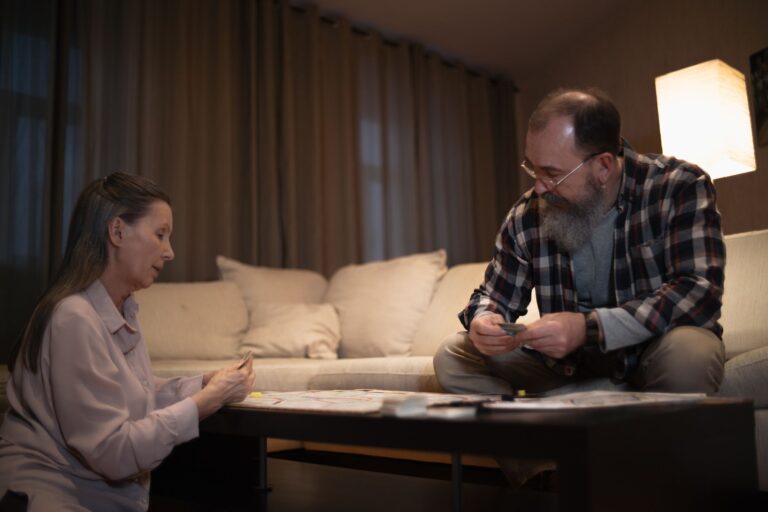
Caregivers reduce agitation in mild cognitive impairment, early memory and thinking changes beyond normal aging, by offering short, familiar, failure-free games in a calm setting at the person's best time of day. They use the game as pleasant distraction and connection, and they stop if frustration rises. The Alzheimer's Association states structured, pleasant daily activities can often reduce agitation and improve mood in dementia, advising caregivers to plan around the person's best-functioning times in its daily care plan. The goal is not winning or training memory, but keeping the person engaged, comfortable, and at ease.
Medical information disclaimer: This article is for general educational purposes only and does not provide medical advice, diagnosis, or treatment. Always consult a physician or other qualified health professional about symptoms, medications, tests, or treatment decisions.
Table of Contents
- Set the time and place for calm
- Which games help most?
- How should caregivers guide play?
- What to do when agitation spikes?
Set the time and place for calm
Play when the person is rested and most alert, often late morning. Avoid late afternoon and evening if restlessness grows then.
Reduce noise, clutter, and people in the room before starting. Sit side by side, keep supplies within reach, and allow extra time for each move.
Which games help most?
Choose simple, familiar mind-engaging play such as word games, puzzles, card matching, dominoes, singing familiar songs, or looking through photo books. Practical activities also count, including baking a simple recipe, gardening tasks, sorting objects, or folding towels. The National Institute on Aging says shared activities can improve quality of life and help manage behavior changes including agitation in its activity ideas for families.
Cochrane finds cognitive stimulation — discussion of past and present events, word games, puzzles, music, and practical activities like baking or gardening — probably gives small cognition benefits in mild-to-moderate dementia, according to its evidence summary. A 2025 meta-analysis also linked multisensory stimulation to less agitation, apathy, and depression. Benefits are generally slight and vary across studies, mostly from group programs.
How should caregivers guide play?
Keep sessions short, about 15 to 30 minutes, two to four times weekly. One trained family member or helper should lead, explain one step at a time, and praise effort. Make success easy and avoid correction, timers, or new rules.
- Offer two clear choices: "Word cards or music?"
- Play as a team against the game, not against each other.
- Use large pieces, good light, and one task on the table.
- End on a good moment, before tiredness sets in.
What to do when agitation spikes?
Watch for pacing, raised voice, pushing materials away, or tense hands. Pause the game, speak slowly, and switch to comfort rather than instruction.
For sundowning restlessness, move to a quieter spot, then calmly distract with a favorite snack, object, or simple activity such as folding towels or watching a familiar show. If frustration continues, stop play completely and try a walk, music, or rest instead.