Dementia prediction sits at the center of this dementia and brain health question.
In May 2025, the FDA cleared the Lumipulse blood test as the first test approved for diagnosing Alzheimer’s disease in clinical settings, followed by a second approval in October 2025 for the Elecsys pTau181 assay. These approvals represent a watershed moment for dementia diagnosis: for the first time, doctors can identify Alzheimer’s disease using a simple blood test rather than requiring patients to undergo expensive brain imaging or invasive procedures like spinal taps. For someone like Margaret, a 62-year-old who noticed memory problems and worried about Alzheimer’s, this means getting an answer with a quick office visit and a blood draw instead of spending months in imaging centers or hospitals.
This article explores what these tests are, how they work, their accuracy, who can use them, and how they’re changing the landscape of dementia diagnosis. These blood tests measure specific proteins in the bloodstream that correlate with Alzheimer’s disease pathology in the brain—the buildup of amyloid plaques and tau tangles that define the disease. They’re not perfect replacements for clinical evaluation, but they offer a practical, accessible first step that didn’t exist just months ago.
Table of Contents
- What Are the FDA-Approved Blood Tests for Alzheimer’s Disease?
- How Accurate Are These Blood Tests?
- Who Can Use These FDA-Approved Blood Tests?
- How Do These Blood Tests Change the Diagnostic Process?
- What Are the Limitations of These Blood Tests?
- What Happens After a Blood Test Result?
- What’s Next for Blood Testing and Dementia Diagnosis?
- Conclusion
What Are the FDA-Approved Blood Tests for Alzheimer’s Disease?
The Lumipulse blood test, cleared by the FDA in May 2025, measures two key proteins: phosphorylated tau 217 (pTau217) and beta-amyloid 1-42 (β-amyloid 1-42) in plasma. These proteins circulate in the blood when amyloid plaques are accumulating in the brain—a hallmark of Alzheimer’s disease. The second approved test, the Elecsys pTau181 assay developed by Roche and Eli Lilly and cleared in October 2025, focuses specifically on phosphorylated tau 181 (pTau181), another form of tau protein that rises when amyloid pathology is present.
Think of these blood proteins as messengers: when amyloid begins accumulating in the brain, these specific forms of tau and amyloid leak into the bloodstream in measurable amounts. By detecting these messengers in a blood sample, doctors can infer whether Alzheimer’s-related brain changes are occurring. Previously, the only way to know this was through lumbar puncture (spinal tap)—a procedure where a needle is inserted into the spinal canal to collect cerebrospinal fluid—or through expensive PET imaging that required specialized equipment and hours at an imaging center.

How Accurate Are These Blood Tests?
The Elecsys pTau181 assay achieved a 97.9% negative predictive value in clinical studies, meaning that when the test came back negative (not showing Alzheimer’s-related amyloid pathology), it was correct 97.9% of the time. This high accuracy for ruling out disease is particularly valuable in primary care settings, where doctors need a quick way to determine if someone’s memory problems might have another cause. However, it’s critical to understand what this means and what it doesn’t: a negative result strongly suggests Alzheimer’s isn’t the problem, but the test isn’t a standalone diagnosis.
Neither the Lumipulse nor the Elecsys tests should be interpreted as a final diagnosis by themselves. These are biomarker tests—they detect biological evidence of Alzheimer’s pathology, but doctors must always combine blood test results with cognitive evaluation, clinical history, and sometimes imaging to reach a diagnosis. A positive test means Alzheimer’s-related changes are occurring, but it doesn’t tell you how rapidly cognitive decline will happen or whether someone will develop dementia symptoms. Some people have amyloid pathology in their brains for years before experiencing noticeable cognitive problems.
Who Can Use These FDA-Approved Blood Tests?
Both the Lumipulse and Elecsys pTau181 tests are approved only for people age 55 and older who are already experiencing cognitive symptoms—memory problems, difficulty with language, confusion, or other signs of cognitive decline. The FDA did not approve these tests for screening healthy people or for predicting who will develop dementia in the future. This limitation matters: you cannot use these tests to find out if you’ll develop Alzheimer’s someday if you’re currently having no symptoms.
The tests are designed for people who have already noticed problems and are seeking an explanation. A 68-year-old who reports increasing forgetfulness and difficulty managing finances is an appropriate candidate. A healthy 55-year-old with no symptoms seeking reassurance about their future risk is not, at least not under current FDA approvals. This focus on symptomatic people reflects the tests’ role: they help rule in or rule out Alzheimer’s disease as the cause of existing cognitive problems, rather than predicting future disease.

How Do These Blood Tests Change the Diagnostic Process?
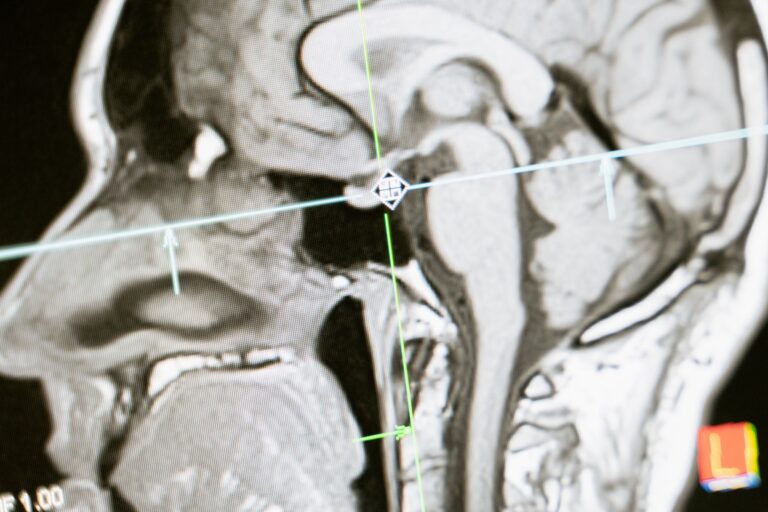
Before May 2025, if a doctor suspected Alzheimer’s disease, the path forward was complicated and expensive. A patient might be referred for magnetic resonance imaging (MRI) to rule out stroke or tumors, then possibly PET imaging to look for amyloid and tau in the brain. PET scans cost thousands of dollars and aren’t widely available outside major medical centers. Some patients were referred for lumbar puncture, a procedure with a real but small risk of complications like headache, infection, or spinal cord injury. Many never got a definitive diagnosis at all.
Now, a simple blood draw in a primary care office or clinic can provide evidence of Alzheimer’s-related pathology. This is transformative for accessibility: patients in rural areas or those without access to specialized imaging centers can now get tested. For a 70-year-old with memory problems in a small town, a local blood test is far more feasible than traveling hours for PET imaging. However, imaging still has a role—it can detect other conditions that cause cognitive symptoms, like tumors, stroke, or vascular dementia. The blood tests complement rather than completely replace imaging.
What Are the Limitations of These Blood Tests?
The most important limitation is that these tests cannot be used alone to diagnose Alzheimer’s disease. A positive result must be interpreted by a doctor in the context of a full clinical evaluation: cognitive testing, medical history, family history, and assessment of how symptoms are affecting daily life. Some cognitively normal people have evidence of amyloid pathology in their brains; these individuals haven’t developed noticeable symptoms and may never, or may take decades to show decline. A blood test that detects pathology isn’t the same as a diagnosis of Alzheimer’s disease, especially in asymptomatic people.
Additionally, these tests are currently available only at certain medical centers and labs, not everywhere. Some insurance plans may not cover them yet, leaving cost a barrier for some patients. The tests also cannot distinguish between Alzheimer’s disease and other causes of cognitive decline in all cases; for example, they don’t detect Lewy body dementia, frontotemporal dementia, or vascular dementia. A doctor must still conduct a thorough evaluation and sometimes use additional tests to rule out other diagnoses.

What Happens After a Blood Test Result?
If a blood test suggests Alzheimer’s-related amyloid pathology, the next steps typically involve further cognitive evaluation and sometimes discussion of treatment options. The FDA has also approved anti-amyloid monoclonal antibody medications—drugs that can slow cognitive decline in early-stage Alzheimer’s disease if started before significant dementia develops.
People who test positive for amyloid pathology and are showing mild cognitive impairment may be candidates for these medications, which require regular infusions and monitoring for side effects like amyloid-related imaging abnormalities (ARIA), a type of brain inflammation. If the test is negative and strongly suggests Alzheimer’s pathology isn’t present, a doctor will pursue other explanations for the person’s cognitive problems: depression, thyroid disorders, vitamin deficiencies, sleep apnea, or other conditions that can mimic dementia symptoms.
What’s Next for Blood Testing and Dementia Diagnosis?
The approval of these two tests signals that more blood-based biomarker tests are likely coming. Research is ongoing into additional blood markers that might detect other forms of dementia earlier or more precisely. As these tests become more widely available and insurance coverage expands, blood testing will likely become standard in the dementia workup, similar to how blood tests are now routine for many medical conditions.
The long-term vision is moving toward earlier detection of Alzheimer’s disease—identifying amyloid pathology years or decades before symptoms appear. If future research and approvals support this, combined with disease-slowing medications, it could eventually be possible to intervene before significant cognitive decline occurs. For now, these FDA-approved blood tests represent a major step forward in making dementia diagnosis faster, less invasive, and more accessible.
Conclusion
The FDA approvals of the Lumipulse blood test in May 2025 and the Elecsys pTau181 assay in October 2025 represent a significant change in how Alzheimer’s disease is diagnosed. These tests offer a practical, non-invasive alternative to lumbar puncture and expensive imaging, making dementia diagnosis more accessible to people in all settings—whether in major medical centers or small towns.
They’re particularly valuable for ruling out Alzheimer’s-related amyloid pathology in primary care settings and for identifying people who might benefit from disease-modifying medications. If you or a loved one is experiencing memory problems or cognitive changes, talk with a doctor about whether one of these blood tests might be appropriate as part of your evaluation. These tests are not perfect, they’re not standalone diagnostics, and they’re not appropriate for asymptomatic screening—but for people with cognitive symptoms, they offer answers that were simply unavailable a year ago.
You Might Also Like
- The $60 Dementia Blood Test That 3 Major Hospital Systems Just Added to Annual Screenings
- New Blood Test Can Predict Dementia Risk 25 Years Before Any Symptoms Appear
- Why Your Next Annual Blood Test Could Include a Dementia Screening and What That Means
For more, see NIH MedlinePlus — cognitive testing.