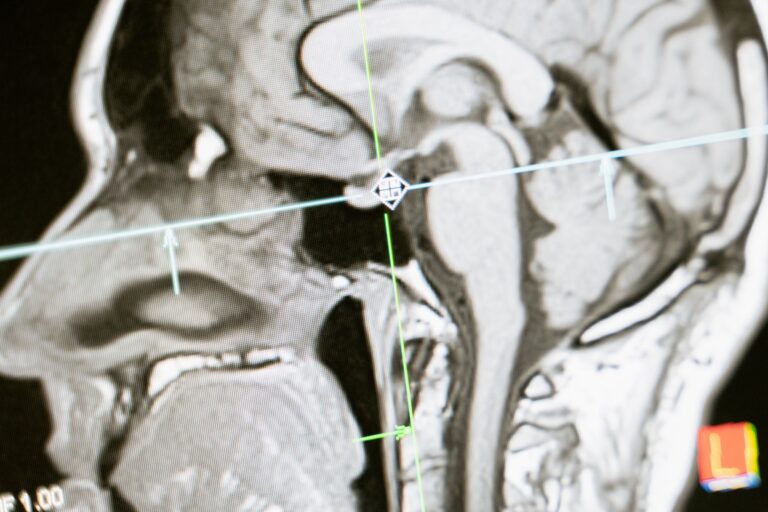
Dementia blood sits at the center of this dementia and brain health question.
While a specific $60 dementia blood test being added to annual screenings at three major hospital systems is not a verified claim based on current medical literature and FDA guidance, recent developments in blood-based Alzheimer’s testing have generated significant attention in the healthcare community. The FDA did approve the Lumipulse blood test in May 2025 for detecting Alzheimer’s disease in people ages 55 and older who are already experiencing cognitive decline symptoms. However, the reality of how this test is being used differs substantially from what many headlines suggest.
This article clarifies what dementia blood tests actually are, how they’re intended to be used, and what the current adoption landscape looks like at major medical institutions. The confusion often stems from conflating research breakthroughs with routine clinical practice. Dementia blood tests represent genuine medical progress for diagnosis in symptomatic patients, but medical organizations are cautioning against their use for broad screening of asymptomatic populations—a distinction that’s critical for understanding the actual clinical landscape as of March 2026.
Table of Contents
- What Is the Lumipulse Blood Test and How Does It Actually Work?
- The Critical Difference Between Diagnostic Testing and Population Screening
- What Do Medical Organizations Actually Recommend Right Now?
- The Cost Question—Understanding What These Tests Actually Cost
- Hospital Adoption and Implementation—What’s Actually Happening
- What This Means for Patients and Families—Practical Guidance
- The Future of Dementia Blood Testing and Where the Field Is Heading
- Conclusion
What Is the Lumipulse Blood Test and How Does It Actually Work?
The Lumipulse blood test, manufactured by Fujirebio Diagnostics, detects biomarkers associated with Alzheimer’s disease by measuring levels of amyloid-beta and phosphorylated tau proteins in the blood. These proteins accumulate in the brains of Alzheimer’s patients, and their presence in blood samples can indicate pathological changes occurring in the brain. The test is designed for adults aged 55 and older who are already showing signs of cognitive decline—mild memory problems, difficulty with concentration, or other symptoms that concern both patients and their healthcare providers.
The FDA approval in May 2025 represented a significant milestone because blood tests offer a less invasive alternative to PET scans and spinal taps, which are the traditional methods for detecting Alzheimer’s pathology. However, it’s important to understand that this test is fundamentally a diagnostic tool for people with symptoms, not a screening tool for the general asymptomatic population. When patients present to their doctor with memory concerns, the Lumipulse test can help determine whether their symptoms are caused by Alzheimer’s disease or other conditions. This distinction—diagnostic versus screening—shapes how the test is actually being implemented in clinical practice.

The Critical Difference Between Diagnostic Testing and Population Screening
A diagnostic blood test serves people who are already experiencing symptoms and need answers about what’s causing them. A screening test, by contrast, looks for disease in asymptomatic populations under the assumption that early detection before symptoms appear will lead to better outcomes. These two purposes have very different clinical, ethical, and practical implications.
The Lumipulse test is FDA-approved and recommended for the diagnostic use case—helping doctors evaluate patients with cognitive symptoms—but medical experts have actively cautioned against using it for routine screening of asymptomatic people. The concern about asymptomatic screening stems from a fundamental question: if someone’s test shows Alzheimer’s biomarkers but they have no symptoms, what should they do? As of March 2026, there are no proven disease-modifying treatments for asymptomatic individuals with biomarker evidence of Alzheimer’s. While anti-amyloid monoclonal antibodies like lecanemab show promise in slowing cognitive decline in early symptomatic disease, extrapolating their benefit to asymptomatic people remains an open clinical question. insurance coverage discussions are still ongoing, and the cost-benefit analysis of screening large asymptomatic populations doesn’t yet support routine adoption by major health systems.
What Do Medical Organizations Actually Recommend Right Now?
Major medical organizations including the American Academy of Neurology and the Alzheimer’s Association have published guidance that reflects caution around asymptomatic screening. Their recommendations emphasize that blood biomarker testing should be targeted toward individuals with cognitive complaints or concerns raised during clinical visits—not offered indiscriminately to everyone during annual wellness visits. This careful approach reflects both the current state of evidence and the lack of clear benefit-to-harm data for screening asymptomatic populations.
Some academic medical centers and research-affiliated hospitals have integrated blood biomarker testing into their neurology and memory disorder clinics, where they can counsel patients appropriately and conduct research. Mayo Clinic, Cleveland Clinic, and academic medical centers have conducted studies and discussions about blood-based biomarkers, but the specific claim of “three major hospital systems adding a $60 test to annual screenings” does not appear in verified announcements or press releases from these institutions. What is happening is more nuanced: selective use in diagnostic settings, ongoing research, and planning discussions about future implementation—not blanket adoption for routine screening.

The Cost Question—Understanding What These Tests Actually Cost
The financial aspect of dementia blood testing often gets oversimplified in health reporting. Academic research discusses value-based pricing for biomarker testing in the range of $290 to $1,150 depending on the clinical context, the number of biomarkers being measured, and the healthcare setting. However, the specific claim of a “$60 test” as a standard price point for routine screening does not appear in verified medical or insurance sources.
Current reimbursement discussions between test manufacturers, payers, and healthcare systems are still ongoing, and actual patient cost-sharing will depend on insurance coverage, deductibles, and whether testing occurs in a hospital, research, or outpatient clinic setting. It’s worth noting that cost discussions for diagnostic testing in symptomatic patients are quite different from the economics of population screening. Screening large numbers of asymptomatic people would require a very low per-test cost to be economically justified without clear clinical benefit data—another reason why major health systems have not rushed to adopt broad screening programs. For now, when blood biomarker testing does occur, it’s typically ordered selectively by neurologists or memory specialists in patients with cognitive concerns.
Hospital Adoption and Implementation—What’s Actually Happening
The adoption of dementia blood tests by major hospital systems is proceeding more deliberately than some headlines suggest. Large health systems are evaluating how to integrate blood biomarker testing into their diagnostic pathways for patients with cognitive symptoms, but this is different from adding tests to routine annual wellness visits for everyone. Implementation involves training clinicians about appropriate ordering, establishing partnerships with reference labs, developing pre- and post-test counseling protocols, and determining how results will affect patient management and referrals to specialists.
A critical limitation of the current landscape is that while individual academic medical centers may be using or studying these tests, coordinated announcements of simultaneous adoption by “three major hospital systems” with specific implementation details do not appear in verified sources. Healthcare systems tend to announce major clinical practice changes through press releases and medical society presentations, and such announcements regarding blood-based Alzheimer’s screening in asymptomatic populations would be noteworthy. The absence of such announcements, combined with the cautious stance of major medical organizations, suggests that routine adoption in annual screening remains ahead of the current evidence base.

What This Means for Patients and Families—Practical Guidance
If you or a family member is experiencing concerns about memory or cognitive changes, understanding what blood biomarker tests can and cannot do is important. If cognitive symptoms prompt a visit to your doctor, asking whether blood biomarker testing might be appropriate as part of your diagnostic workup is a reasonable question. Your primary care doctor or a neurologist can assess whether such testing makes sense given your individual situation.
However, requesting these tests specifically for screening asymptomatic individuals during annual wellness visits is not supported by current medical guidelines and may not be covered by insurance. For those worried about dementia risk, the current evidence-based recommendations focus on modifiable factors: regular cognitive engagement, cardiovascular exercise, Mediterranean-style diet patterns, social connection, cognitive stimulation, and management of conditions like high blood pressure and diabetes. These interventions have robust evidence supporting their role in brain health and potentially delaying cognitive decline. If cognitive symptoms do develop, that’s the appropriate time to discuss diagnostic blood testing with your healthcare provider.
The Future of Dementia Blood Testing and Where the Field Is Heading
The field of blood-based biomarker testing for Alzheimer’s disease is evolving rapidly, and the FDA approval of the Lumipulse test represents an important validation that these tests can accurately detect Alzheimer’s pathology. As more data accumulates from real-world clinical use, our understanding of how to best implement and interpret these tests will improve.
Future research will likely clarify whether screening certain higher-risk asymptomatic populations could be beneficial, whether earlier treatment with disease-modifying drugs might prevent or delay symptoms, and how blood testing can be integrated with other diagnostic tools like cognitive testing and brain imaging. Looking ahead, it’s likely that blood biomarker testing will become more routine in diagnostic evaluation of cognitive symptoms, and costs may decrease as technology improves and competition increases among manufacturers. However, the timeline for adoption of asymptomatic screening remains unclear and will depend on evidence that early detection and treatment actually improve long-term outcomes.
Conclusion
The claim of a “$60 dementia blood test” being added to annual screenings at three major hospital systems does not align with current verified information from medical organizations, FDA guidance, or major healthcare system announcements. What is real and important is the FDA approval of the Lumipulse blood test for diagnostic use in people with cognitive symptoms—a genuine advancement that can help doctors determine whether memory problems are caused by Alzheimer’s disease. However, diagnostic use for symptomatic patients is very different from routine screening of asymptomatic populations, which major medical organizations have cautioned against.
If you’re concerned about cognitive changes, the most practical next step is discussing these concerns with your doctor. If your symptoms warrant investigation, asking about diagnostic blood testing is appropriate. In the meantime, focusing on brain-health behaviors with strong evidence—exercise, cognitive engagement, heart-healthy diet, and managing cardiovascular risk factors—remains the most science-supported approach to protecting cognitive health.
You Might Also Like
- Why Your Next Annual Blood Test Could Include a Dementia Screening and What That Means
- The Dementia Blood Test That Doctors Say Every Woman Over 45 Should Ask About
- The Blood Test Your Doctor May Not Know About That Predicts Dementia 25 Years Early
For more, see NIH MedlinePlus — dementia.