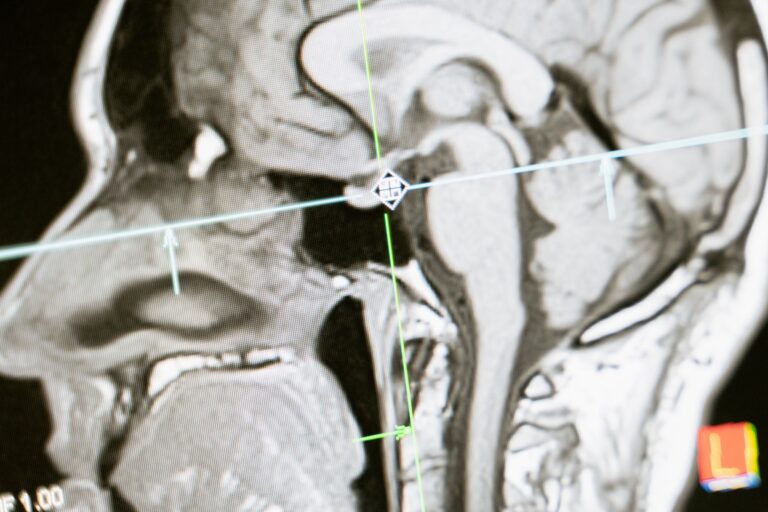
Next annual sits at the center of this dementia and brain health question.
Your next annual blood test may soon include screening for Alzheimer’s disease—but not in the way you might imagine. In May 2025, the FDA approved Lumipulse G pTau217/ß-Amyloid 1-42 Plasma Ratio as the first blood test for detecting Alzheimer’s disease pathology in patients aged 55 and older showing cognitive symptoms. Six months later, in October 2025, Roche’s Elecsys pTau181 test received FDA clearance specifically for primary care settings, marking the first time a blood biomarker test was approved for use outside specialty neurology clinics.
These approvals represent a significant shift in how dementia screening may happen—moving detection from neurologist’s offices to your regular doctor’s visit. However, there’s an important caveat many people get wrong: these tests are not recommended for routine annual screening in asymptomatic people without cognitive complaints. Instead, they’re designed for adults 55 and older who are already experiencing signs of cognitive impairment—memory problems, difficulty concentrating, or other thinking changes that concern them or their families. This article explains what these blood tests are, how accurate they are, what they can and cannot tell you, and what it means if your doctor suggests one.
Table of Contents
- Why Blood Tests for Dementia Detection Are Changing Clinical Practice
- How Accurate Are These Blood Tests for Detecting Alzheimer’s Disease?
- Can These Tests Predict When Symptoms Will Appear?
- Who Should Actually Get These Tests and When?
- What These Tests Don’t Tell You and Important Limitations
- What Happens If Your Doctor Recommends One of These Tests?
- The Future of Blood-Based Dementia Screening
- Conclusion
Why Blood Tests for Dementia Detection Are Changing Clinical Practice
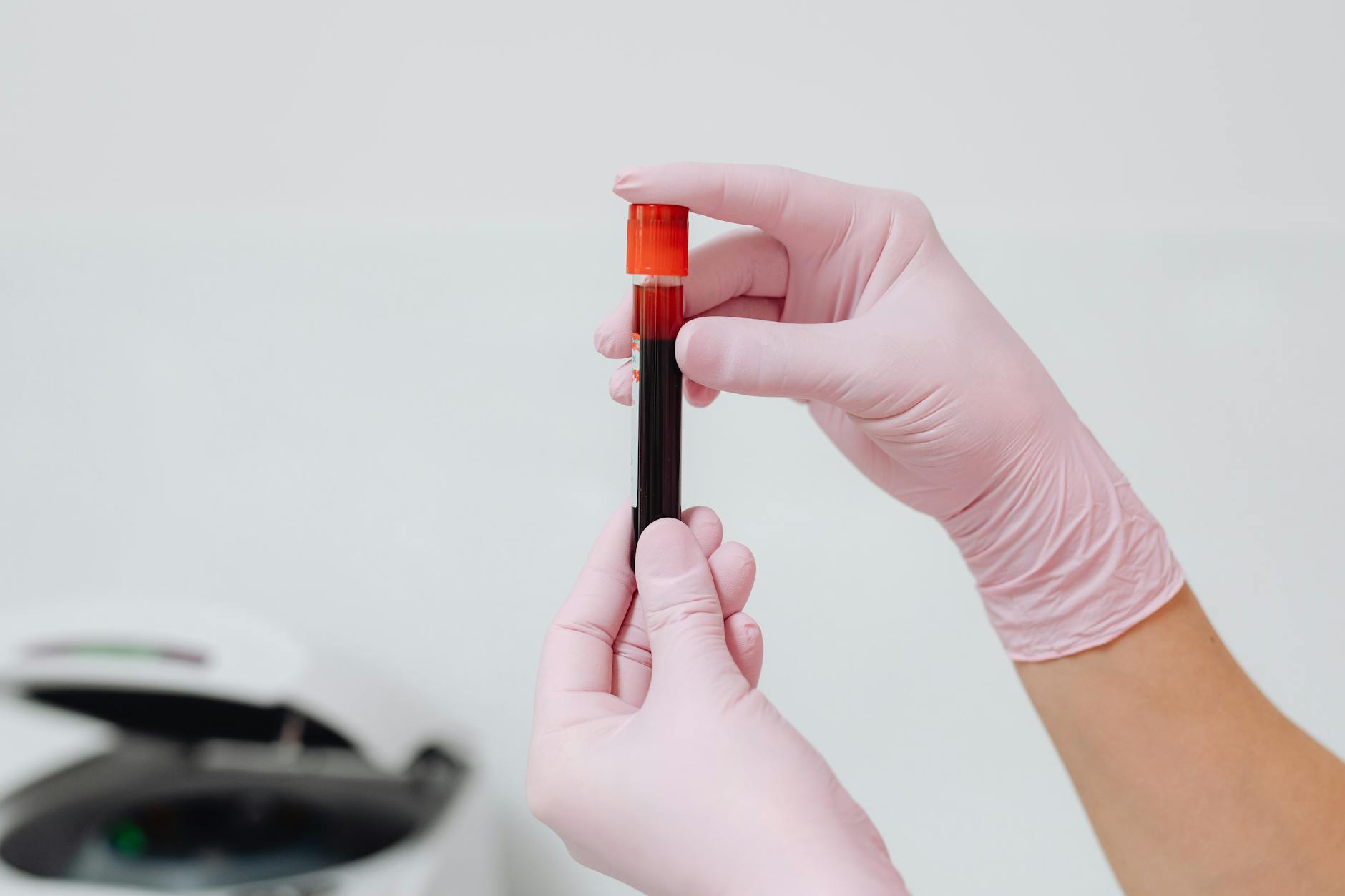
For decades, diagnosing Alzheimer’s disease during a patient’s lifetime was nearly impossible without advanced imaging like PET scans or cerebrospinal fluid analysis—expensive tests that require specialty referrals and are not routinely available. blood biomarkers like phosphorylated tau (p-tau) and amyloid-beta have changed this equation entirely. These proteins accumulate in the brain during Alzheimer’s disease and eventually leak into the bloodstream, where they can be detected with a simple blood draw. The major breakthrough isn’t just that these tests exist; it’s that they’re now accurate enough and approved for use in primary care settings where most people seek healthcare.
The October 2025 FDA clearance of Roche’s pTau181 test was specifically notable because it authorized primary care use—meaning your regular family medicine doctor or internist can order it, not just a neurologist. This democratizes access significantly. A patient in a rural area without easy access to a specialist can now discuss concerns about memory loss with their regular doctor, who can order the test right there. Before this approval, diagnosing Alzheimer’s pathology typically required a neurology referral, specialized imaging, or lumbar puncture—processes that were expensive, inconvenient, and often didn’t happen until cognitive problems were already quite advanced.
How Accurate Are These Blood Tests for Detecting Alzheimer’s Disease?
The p-tau217 test shows impressive accuracy in clinical studies. Research published in Nature Medicine found areas under the curve (AUC) of 0.93 to 0.96 for detecting amyloid pathology—meaning the test correctly identifies the presence or absence of Alzheimer’s pathology in over 93% of cases at best. In secondary care settings (specialty clinics), the accuracy falls slightly to 89–91%, with positive predictive values of 89–95% and negative predictive values of 77–90%. Put simply: if the test says you have Alzheimer’s pathology, there’s roughly an 89–95% chance you actually do. If it says you don’t, there’s a 77–90% chance you truly don’t.
P-tau217 has also proven more accurate than its alternatives—p-tau181 and p-tau231—at identifying early Alzheimer’s changes. However, here’s a critical limitation: these tests detect amyloid pathology in the brain, not a complete Alzheimer’s diagnosis. A positive test means abnormal protein has accumulated, but it doesn’t automatically mean you have dementia or will develop it imminently. Many people have Alzheimer’s pathology on autopsy but never showed significant cognitive decline during their lifetime. A positive blood test is a starting point for further evaluation, not a diagnosis by itself. Your doctor will need to conduct cognitive testing, assess your medical history, and possibly order imaging to confirm a full diagnosis.
Can These Tests Predict When Symptoms Will Appear?
One of the most striking capabilities of p-tau217 is its predictive power. Studies show it can predict the onset of Alzheimer’s symptoms approximately 3 to 4 years in advance, with a median absolute error of 3.0 to 3.7 years. For someone with no memory complaints today but with positive biomarkers, this raises an important question: do you want to know you’re on a trajectory toward cognitive decline? The research is clear about the timeline, but the meaning is less straightforward.
For someone in their mid-60s with early pathological changes detected by blood test, a 3-to-4-year prediction window offers practical value. It could mean time to start lifestyle modifications that research suggests may slow cognitive decline—exercise, cognitive engagement, better sleep, management of heart disease and diabetes, controlling blood pressure and cholesterol, social connection, and Mediterranean-style dietary patterns. For others, knowing about asymptomatic pathology years before any symptoms appear might cause unnecessary anxiety without immediate medical benefit. This is why these tests are not meant for broad screening; the psychological and medical implications differ dramatically depending on the individual.

Who Should Actually Get These Tests and When?
The Alzheimer’s Association’s July 2025 clinical practice guidelines were clear: blood biomarker tests are for symptomatic patients—people already experiencing cognitive impairment who are aged 55 and older. This might include someone whose spouse has noticed repeated memory lapses, or a person who feels like they’ve been having difficulty finding words or organizing their thoughts. It’s not for the 62-year-old who occasionally forgets where they parked or misplaces their keys. Normal aging involves occasional forgetfulness; pathological cognitive decline is progressive and interferes with daily function.
The distinction between primary care and specialty care approvals matters for access but not for who should be tested. A person with symptoms should ideally be evaluated first by their primary care doctor, who can perform cognitive screening tests and determine whether referral to a neurologist is needed. The pTau181 test approved for primary care can be ordered at that first visit, potentially eliminating delays in getting answers. If the test is positive, the patient may then proceed to a neurologist for additional evaluation, imaging, and formal cognitive testing—but at least the pathway to diagnosis has accelerated.
What These Tests Don’t Tell You and Important Limitations
Blood biomarker tests detect pathology—the presence of Alzheimer’s-related proteins—but not actual cognitive decline. Some people with significant amyloid and tau pathology remain cognitively intact years longer than expected, possibly because they have genetic or lifestyle factors that protect them. Others may have cognitive symptoms that look like Alzheimer’s but are caused by something else entirely: vascular dementia (from strokes), Lewy body disease, frontotemporal dementia, or even reversible conditions like thyroid disease, vitamin B12 deficiency, or depression. A positive p-tau217 or p-tau181 test rules in Alzheimer’s pathology but doesn’t rule out other conditions.
Your doctor will need additional cognitive testing and possibly brain imaging to confirm what’s actually happening. Another practical limitation: these tests are not currently recommended for people under 55, even those with very early-onset dementia symptoms or strong family histories. The research establishing their accuracy and clinical utility focused on the 55+ population. For younger patients, different diagnostic pathways may be needed. Cost and insurance coverage are still settling questions too—not all insurers cover these tests, and if they’re not covered, a single test might cost hundreds of dollars.

What Happens If Your Doctor Recommends One of These Tests?
If your doctor suggests a pTau blood test, it means they’ve observed some cognitive change worth investigating. You might not have noticed it yourself—sometimes family members or physicians catch problems earlier than the patient does. The blood draw itself is routine, just like any other lab work. The results typically come back within 1–2 weeks, though this varies by lab and test type.
A positive result doesn’t mean you need to start medication immediately or that your life is about to change dramatically. It means a conversation with your doctor about next steps: possibly seeing a neurologist, undergoing more formal cognitive testing (like the Montreal Cognitive Assessment or other standardized tests), and discussing your individual risk factors. It also means having an honest conversation about lifestyle changes—exercise, cognitive engagement, sleep quality, management of heart disease and diabetes, and other factors that research suggests may slow progression. Some patients also benefit from counseling to process what a positive result means emotionally and practically.
The Future of Blood-Based Dementia Screening
These two FDA-approved tests—Lumipulse G pTau217 and Roche’s Elecsys pTau181—are not the only blood biomarkers in development or already approved. Research continues on other phosphorylated tau variants, amyloid-beta ratios, and even entirely different biomarkers like neurofilament light chain and glial fibrillary acidic protein (GFAP). Some researchers believe that within the next 5–10 years, comprehensive blood panels might detect multiple types of dementia pathology simultaneously and with even greater precision than today’s tests.
The broader shift is clear: the future of cognitive screening is moving away from expensive imaging and toward accessible blood tests that primary care doctors can order and interpret. This could eventually lead to detection of Alzheimer’s pathology at much earlier stages, giving people more years to benefit from lifestyle modifications and, as more treatments become available, from disease-modifying therapies. However, this also raises questions about how much information people want about their brain health when they’re still asymptomatic, and how healthcare systems will counsel and manage large numbers of people with detected pathology.
Conclusion
Your next annual blood test could include dementia screening, but it won’t happen routinely unless you’re experiencing cognitive symptoms. The FDA-approved pTau217 and pTau181 tests represent genuine progress in detecting Alzheimer’s disease earlier and in primary care settings. These tests are accurate—with p-tau217 showing 89–91% accuracy in clinical settings—and they can predict symptom onset roughly 3–4 years in advance for people with pathology.
The key takeaway is understanding what you’re being tested for and why. These aren’t casual screening tools for healthy people; they’re diagnostic aids for people 55 and older showing signs of cognitive change. If you or someone you care about is experiencing memory problems, difficulty concentrating, or other thinking changes, asking your doctor about blood biomarker testing is a reasonable next step. The earlier Alzheimer’s pathology is detected, the more time there may be to slow its progression through lifestyle changes, and potentially through medications as new treatments become available.
You Might Also Like
- The $50 Blood Test That Could Tell You Your Dementia Risk Decades in Advance
- New Blood Test Can Predict Dementia Risk 25 Years Before Any Symptoms Appear
- One Overlooked Movement Every Fitness Enthusiast Should Master for Better Results
For more, see Alzheimer’s Association — clinical trials.