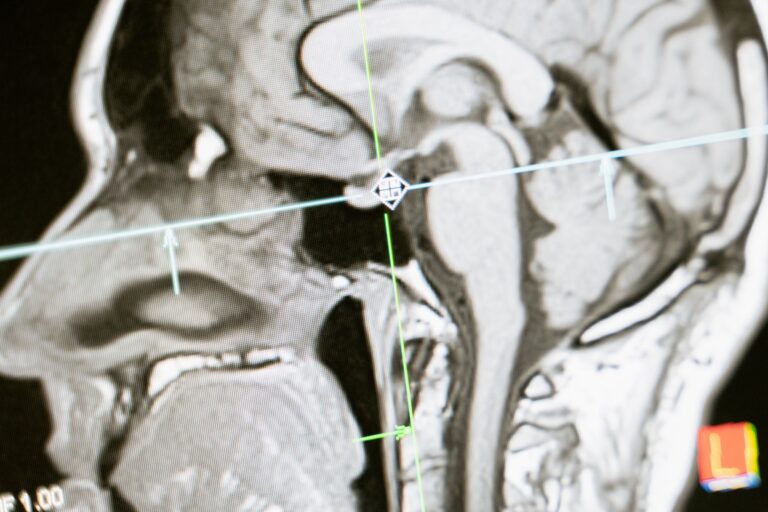
Early dementia sits at the center of this dementia and brain health question.
Blood tests that detect Alzheimer’s biomarkers in the bloodstream can reduce diagnostic costs by $290 to $1,950 per patient and redirect resources toward earlier intervention—potentially saving families substantial amounts as they navigate the expensive landscape of dementia care. Consider a 62-year-old woman whose cognitive changes prompt concern: instead of requiring expensive specialist referrals and multiple diagnostic imaging procedures costing tens of thousands of dollars, a simple blood test measuring phosphorylated tau proteins can confirm or rule out Alzheimer’s pathology in one visit, reducing unnecessary downstream testing and allowing the family to plan care with certainty rather than lingering diagnostic uncertainty. This article explores how blood tests are reshaping early dementia detection, the actual cost implications families should expect, the accuracy of these tests compared to traditional diagnostic routes, and what steps make sense for your situation.
Table of Contents
- What Does Early Blood Test Detection Actually Cost Compared to Traditional Diagnosis?
- How Accurate Are Blood Tests Compared to What Your Doctor Can Tell You?
- Can a Blood Test Really Predict When Symptoms Will Appear?
- How Do These Blood Tests Fit Into Your Doctor’s Workflow?
- What Are the Limitations and Potential Downsides of Early Blood Test Detection?
- How Do You Access Blood Biomarker Tests if You’re Concerned About Dementia Risk?
- What Does the Future of Early Dementia Detection Look Like?
- Conclusion
What Does Early Blood Test Detection Actually Cost Compared to Traditional Diagnosis?
The medical system’s current approach to diagnosing dementia is expensive and often inconclusive. When someone presents with cognitive concerns, the standard pathway involves cognitive screening through primary care, specialist referrals, advanced imaging (PET or MRI scans), and sometimes cerebrospinal fluid testing—a complete diagnostic workup that costs approximately $45,531 per patient before arriving at a biomarker-confirmed diagnosis. blood tests interrupt this costly chain. By serving as a triage tool, blood tests can identify which patients actually need those expensive imaging studies and which can be reassured that their cognitive concerns aren’t rooted in Alzheimer’s pathology, reducing the confirmatory testing burden by 47 percent when used for screening and 86 percent when used to confirm suspected Alzheimer’s disease. For families, this means the difference between a $45,000+ diagnostic journey and one that might cost significantly less, particularly important given that U.S.
dementia and Alzheimer’s disease care costs are projected to reach $781 billion in 2025 alone. However, the savings vary dramatically depending on how blood tests are deployed. If your primary care physician uses a blood test as an initial screening tool for cognitive complaints, you might save $290 to $1,950 compared to jumping directly to specialist evaluation and imaging. If a test is used to confirm what a specialist suspects, savings cluster toward the lower end of that range but provide crucial diagnostic certainty. The real financial benefit isn’t a single $300,000 figure but rather repeated cost reductions across the diagnostic pathway, particularly when you consider that avoiding unnecessary imaging, hospitalizations, and specialist referrals creates compounding savings over the months or years of diagnostic uncertainty families often endure.

How Accurate Are Blood Tests Compared to What Your Doctor Can Tell You?
blood tests for Alzheimer’s biomarkers achieve approximately 90 percent accuracy in identifying Alzheimer’s disease in symptomatic patients—a substantial advantage over clinical judgment alone. Your primary care physician, seeing you once a year, correctly identifies Alzheimer’s pathology only 63 percent of the time when cognitive changes are present; even neurologists and dementia specialists, who see these patients regularly, achieve only 73 percent accuracy without biomarker testing. This gap matters intensely because misdiagnosis in dementia is common; cognitive changes that feel like Alzheimer’s can stem from depression, medication side effects, thyroid dysfunction, or normal aging. A false positive sends families down an emotionally devastating path of prognostic dread; a false negative delays treatment that could meaningfully slow decline. The biomarkers detected in blood are phosphorylated tau variants—specifically p-tau217 and p-tau181—that correlate with amyloid-beta pathology in the brain.
These proteins show 79 to 86 percent accuracy in predicting which patients have amyloid-beta accumulation, the hallmark brain pathology of Alzheimer’s disease. The advantage of measuring them in blood rather than through PET imaging or spinal fluid is convenience and cost, but this does come with a limitation: blood tests identify pathology, not necessarily symptoms. Someone with positive biomarkers might feel cognitively normal today but predictably show symptom onset within three to four years based on p-tau217 levels. This predictive window creates an ethical question families must wrestle with: Does knowing you have Alzheimer’s pathology before symptoms appear change your medical decisions, family planning, and financial preparation? For some, it enables informed choices about treatment candidacy and life planning. For others, it introduces years of pre-symptomatic anxiety.
Can a Blood Test Really Predict When Symptoms Will Appear?
Yes, with significant predictive power—and this changes the calculus of early detection for families considering whether to pursue testing. Phosphorylated tau-217 blood levels can forecast cognitive symptom onset within a three to four year window in cognitively unimpaired people, meaning that if you’re experiencing subjective memory concerns but performing normally on cognitive tests, a positive p-tau217 result suggests you’re likely to develop measurable cognitive decline within the next few years. This predictive capacity is newer than the ability to diagnose symptomatic Alzheimer’s and represents a meaningful shift in how dementia prevention and early intervention are approached. For families, this predictive timeline translates into actionable planning.
If testing reveals that biomarker pathology is present, you have a realistic window to pursue interventions—newer monoclonal antibodies like lecanemab have demonstrated the ability to slow cognitive decline by 35 percent in early symptomatic stages, but they require careful patient selection and monitoring. You also have time to arrange financial planning for long-term care, arrange family roles and communication, and potentially participate in clinical trials exploring preventive treatments. The limitation here is access: not all patients can tolerate these disease-modifying treatments due to amyloid-related imaging abnormalities (ARIA), a side effect involving microhemorrhages or microinfarcts in the brain. blood tests can identify pathology, but they don’t replace the need for imaging and specialist evaluation before starting treatment.

How Do These Blood Tests Fit Into Your Doctor’s Workflow?
Blood tests are beginning to reshape the pathway patients take through the healthcare system, and understanding where they fit helps explain the cost reductions. If your primary care physician has access to blood biomarker testing—still an emerging practice in many rural and underserved areas—they can order the test when you report memory concerns or family members notice cognitive changes. A positive test triggers specialist referral with a specific question already partially answered, reducing the number of specialist evaluations needed. A negative test provides reassurance and may prompt investigation into other causes of cognitive symptoms, sparing the patient unnecessary expensive imaging. In this reshuffled pathway, specialty care referrals are projected to decline by 19 percent and specialist visits by 33 percent, particularly for patients who test negative and can be confidently reassured without further Alzheimer’s-focused workup.
Your neurologist’s time shifts from ruling out Alzheimer’s in ambiguous cases to managing confirmed cases and orchestrating treatment. This efficiency isn’t just about cost reduction—it’s about freeing up specialist capacity in a field where neurologists and dementia specialists are scarce in many regions. However, this benefit depends entirely on blood tests being available and accessible in your region. If your primary care physician doesn’t have access to testing, you’ll still need a specialist referral to obtain it, which partially erodes the cost advantage. Insurance coverage for blood biomarker tests is expanding but remains incomplete; not all plans cover all test types, and prior authorization requirements can delay testing.
What Are the Limitations and Potential Downsides of Early Blood Test Detection?
The most significant limitation is psychological: knowing you have Alzheimer’s biomarkers before any symptoms appear creates a chronic disease label in the absence of current illness, potentially affecting your sense of identity, career prospects if you disclose the result, and insurance insurability—though genetic discrimination protections exist for genetic tests, biomarker blood tests occupy a grayer zone. Some families experience profound relief from diagnostic certainty; others experience years of pre-symptomatic anxiety that may never materialize into cognitive decline within their remaining lifespan. For someone 75 years old with mild biomarker evidence of Alzheimer’s pathology, symptom onset might occur at age 80 or beyond, meaning the “early detection” may not meaningfully change their life trajectory. Another practical limitation: blood tests detect pathology but don’t explain symptoms.
If you test positive for Alzheimer’s biomarkers and you’re experiencing cognitive difficulties, your symptoms might actually stem from vascular disease, Lewy body pathology, frontotemporal dementia, or other causes that blood tests don’t measure. The accuracy figures cited earlier—90 percent diagnostic accuracy—apply to people who already have symptoms and get tested in research settings; they don’t apply to asymptomatic screening of the general population, where positive predictive value drops significantly. Additionally, the cost savings of $290 to $1,950 per case assume that blood testing replaces some but not all of the traditional diagnostic pathway. In practice, many patients still proceed to imaging and specialist evaluation even after a positive blood test to confirm the diagnosis and rule out competing pathology, which limits real-world savings compared to theoretical potential.

How Do You Access Blood Biomarker Tests if You’re Concerned About Dementia Risk?
Most people access blood biomarker tests through a physician—primary care, neurology, or geriatrics—rather than direct-to-consumer companies, though the latter do exist and often require out-of-pocket payment ($200 to $500 for some commercial options). If you’re concerned about cognitive changes or have a family history of Alzheimer’s, starting with your primary care physician is typically the appropriate pathway, though you may need to explicitly request biomarker testing since not all primary care doctors routinely offer it yet. Academic medical centers and dementia specialty clinics have broader access and experience with these tests compared to community practices, which may matter if you want someone familiar with interpreting results and discussing implications.
Insurance coverage is expanding but inconsistent. Medicare covers blood biomarker testing for cognitive impairment in certain contexts, but coverage policies vary by state and plan. If you’re considering direct-to-consumer testing, understand that positive results should be confirmed by a physician and don’t replace formal cognitive and medical evaluation. The convenience of these tests is genuine, but they’re tools within a larger diagnostic conversation, not replacements for clinical judgment.
What Does the Future of Early Dementia Detection Look Like?
Blood biomarker testing is rapidly becoming standard of care in dementia evaluation, driven by growing clinical evidence, expanding insurance coverage, and increased availability. Within the next five years, these tests are likely to become routine in primary care settings the way lipid panels and blood glucose screening are now. This normalization should increase access and reduce costs through scale, though disparities in access between well-resourced and under-resourced healthcare systems will likely persist. Simultaneously, disease-modifying treatments like monoclonal antibodies are entering the market and being studied in earlier disease stages, making biomarker detection increasingly clinically actionable rather than merely informative.
The trajectory suggests dementia care is moving toward earlier identification and earlier intervention, which aligns with evidence that cognitive decline can be slowed but not stopped by current treatments, making earlier introduction more valuable. For families planning for long-term care and cognitive decline, this shift enables more informed decision-making. For researchers, blood biomarkers open pathways to studying prevention in people with biomarker evidence but no symptoms, potentially unlocking interventions that prevent symptom onset entirely. The financial implications for families—reducing the diagnostic burden and enabling earlier treatment—are substantial, though the ultimate cost savings depend on how you deploy treatment options and plan care once biomarker status is known.
Conclusion
Early detection of Alzheimer’s pathology through blood tests offers meaningful financial and practical advantages for families navigating dementia concerns. By reducing unnecessary diagnostic testing and specialist referrals, blood tests can save $290 to $1,950 per patient during the diagnostic phase, a reduction that becomes significant when multiplied across the $781 billion annual dementia care burden in the United States. These tests achieve approximately 90 percent diagnostic accuracy compared to clinical judgment alone and can predict cognitive symptom onset within a three to four year window in unimpaired individuals—information that enables families to make informed decisions about medical treatment, long-term care planning, and financial preparation.
If you’re experiencing cognitive changes or have concerns about dementia risk, discussing blood biomarker testing with your primary care physician or a dementia specialist is a reasonable step. Understanding what these tests can and cannot tell you—they identify Alzheimer’s pathology but not all causes of cognitive change, and they require interpretation within a full clinical context—helps you make decisions aligned with your values and circumstances. The future of dementia care is moving toward earlier detection and intervention, and blood tests are central to that shift.
You Might Also Like
- How a $75 Blood Panel Could Replace Expensive Brain Scans for Early Dementia Detection
- Why Neurologists Say the New Dementia Blood Test Changes Everything About Early Prevention
- Scientists Just Identified a Protein in Blood That Signals Dementia Risk Long Before Memory Loss
For more, see National Institute on Aging.