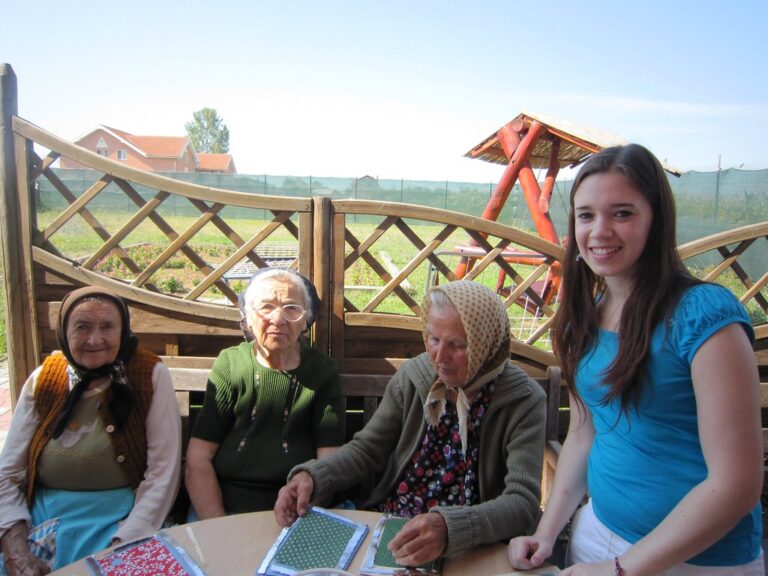
Simple jigsaw puzzles can offer people with Alzheimer's a meaningful, enjoyable activity when caregivers choose suitable pieces, create a calm setup, and provide appropriate supervision. They are not a treatment or cure; the FDA says no cure or treatment has been shown to stop or reverse Alzheimer's disease progression (FDA consumer update). The best puzzle depends on the person's current abilities, interests, vision, hand function, and tolerance. A puzzle that feels manageable today may need adjustment later.
Medical information disclaimer: This article is for general educational purposes only and does not provide medical advice, diagnosis, or treatment. Always consult a physician or other qualified health professional about symptoms, medications, tests, or treatment decisions.
Table of Contents
- Choose the Right Puzzle
- Prepare a Calm Workspace
- Make the Activity Easier
- Know When to Pause
- Supervise for Changing Safety Needs
- Frequently Asked Questions
Choose the Right Puzzle
Start with a low-piece-count puzzle featuring large, easy-grip pieces. A sturdy frame or backing board can make pieces easier to handle and keep the activity contained. The Alzheimer's Society's current dementia-puzzle range includes puzzles from 9 to 100 pieces, with large pieces intended to help people with dexterity difficulties (Alzheimer's Society puzzle range).
Use the piece count as a starting point, not a measure of ability. Choose familiar, appealing images when possible. Flowers, animals, landscapes, vehicles, or favorite places may be more inviting than an abstract or highly detailed picture. Consider these checks before buying or offering a puzzle:.
- Can the person see the image and piece details clearly?
- Can they grasp, turn, and place the pieces?
- Does the subject match a past interest?
- Is the puzzle simple enough to prevent repeated frustration?
Prepare a Calm Workspace
Use a quiet, uncluttered, well-lit place with a stable table or tray. A seated workspace reduces unnecessary movement and keeps the pieces within easy reach. Alzheimer's can affect balance, vision, depth perception, judgment, and susceptibility to confusion, so remove unrelated objects and avoid slippery or unstable surfaces (Alzheimer's Association home-safety guidance).
Keep the completed picture nearby. If the person struggles to begin, place only a few pieces on the table instead of presenting the entire box at once. Choose a time when the person is usually alert and comfortable. Include the puzzle as one pleasant activity within a planned day, with rest breaks when needed.
Make the Activity Easier
Begin with one simple step, such as finding the corner pieces or matching one obvious color. Demonstrate the action if needed, then allow the person time to respond. Sorting pieces into color groups can reduce visual clutter.
The Alzheimer's Society also describes magnetic pieces and placing a puzzle over a sheet showing the finished image as ways to make the activity easier (The Activities Handbook). Stay available for support without taking over. Someone with dementia may want to participate but have difficulty organizing, starting, or completing a multistep task. You can offer choices rather than corrections: "Would you like to try this piece?" or "Should we look for blue pieces?" Focus on shared enjoyment, not finishing the picture correctly.
Know When to Pause
Stop or simplify the puzzle when attention fades, frustration rises, or the person begins pushing pieces away. Try again later, reduce the number of pieces, or switch to another familiar activity. Do not force participation or repeatedly correct mistakes.
Success may mean examining pieces, matching a few colors, talking about the picture, or spending a calm period together. Activity success can vary from day to day. The Alzheimer's Association recommends flexible activities, rest breaks, and attention to mood and agitation as part of a planned daily routine (Alzheimer's Association daily-care planning).
Supervise for Changing Safety Needs
There is no universal puzzle-safety rule for everyone with Alzheimer's. Assess the individual's judgment, confusion, vision, hand control, and tendency to mouth or scatter objects. Remain nearby when supervision is needed, especially if small pieces could create a hazard or if the person may become unsteady while reaching.
Store pieces and other materials securely after the activity. Reassess the setup as Alzheimer's progresses. A larger-piece puzzle, shorter session, magnetic design, or a different activity may become the safer and more enjoyable choice.
Frequently Asked Questions
Are jigsaw puzzles a treatment for Alzheimer's?
No. They can provide meaningful engagement, but they do not stop or reverse Alzheimer's disease progression.
What should I do if the puzzle seems too difficult?
Reduce the number of pieces, sort them by color, show the finished image, or try again at a better time.
Does completing the puzzle matter?
No. Enjoyment and connection matter more than finishing the picture correctly.