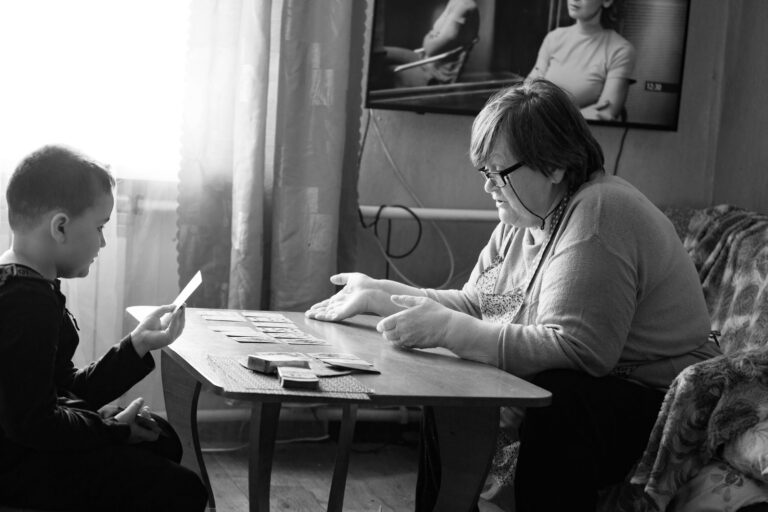
Yes, matching games can support attention and short-term memory in mild cognitive impairment. They do not treat, reverse, or prevent dementia. Mild cognitive impairment means noticeable memory or thinking changes that do not block daily life. Matching games fit here as low-pressure practice, not as medical therapy.
Medical information disclaimer: This article is for general educational purposes only and does not provide medical advice, diagnosis, or treatment. Always consult a physician or other qualified health professional about symptoms, medications, tests, or treatment decisions.
Table of Contents
- What do matching games train?
- What does research on game play show?
- How can you keep play failure-free?
- When should you change the plan?
What do matching games train?
Keeping Busy describes matching-pair play as flipping two cards at a time and remembering image locations. This uses visual memory, concentration, and attention to detail (how matching games challenge memory). Each turn holds one location in mind while checking a second.
Use large-print cards with clear pictures. Start face-up for very easy pairing, then move to a small face-down grid. Familiar photos, colors, or themes hold interest longer than abstract shapes.
What does research on game play show?
A 2026 meta-analysis reported by Frontiers in Aging Neuroscience pooled five randomized trials with about 215 participants with mild cognitive impairment. It found video-game interventions significantly improved global cognitive function versus control conditions (the video-game meta-analysis). That result supports games as mental stimulation, not as proof that one card game restores memory.
By contrast, a systematic review reported in JAMDA pooled 16 randomized trials with 909 older adults with mild impairment or dementia. It found non-immersive brain gaming did not improve memory, executive function, visuospatial skill, or language scores more than control (the wider brain-gaming review). Together, the findings point to modest and uneven benefit. Expect engagement and practice, not a guaranteed test-score gain.
How can you keep play failure-free?
Guidance summarized by Eureka Health, from the Alzheimer's Society position, favors brief sessions matched to current ability. It also recommends pairing games with physical activity, social contact, and medical care rather than relying on games alone (practical play guidance).
The goal is success and calm focus. Short, supported rounds protect confidence. Longer or harder rounds often add fatigue without added gain.
- Match the grid to today's ability and make wins likely.
- Keep sessions short and stop on a win.
- Give one cue at a time and reduce background noise.
- Play together and link pairs to names, stories, or daily life.
When should you change the plan?
Frustration, withdrawal, fatigue, or repeated failure means the task is too hard. Simplify the layout, switch to sorting or naming pictures, or end for the day.
Keep medical follow-up central. Track changes in memory, mood, sleep, medications, and daily tasks, and bring notes to the clinician. Stop a round while it still feels successful and save energy for a walk, chat, or meal together.
You Might Also Like
- Do Card Games Help Caregivers Track Cognitive Decline?
- UAS-CLEAR Dementia Care Research Data Priorities in 2026: Who Was Studied and Who Was Not for People With Mild Cognitive Impairment
- LatAm-FINGERS Lifestyle Coaching Findings Across 11 Countries in 2026: What People With Mild Cognitive Impairment Can Track Without Self-Diagnosing