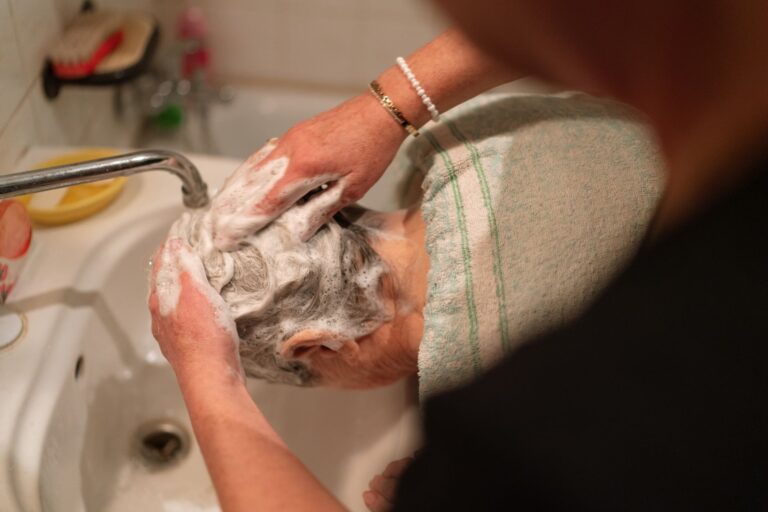
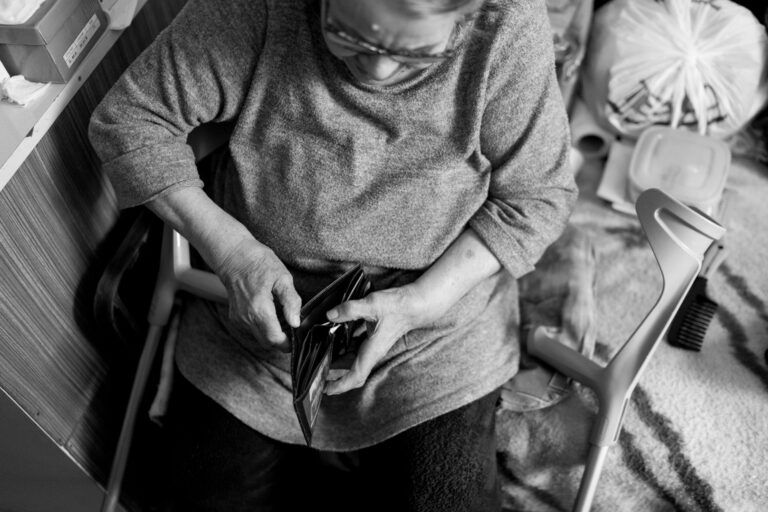
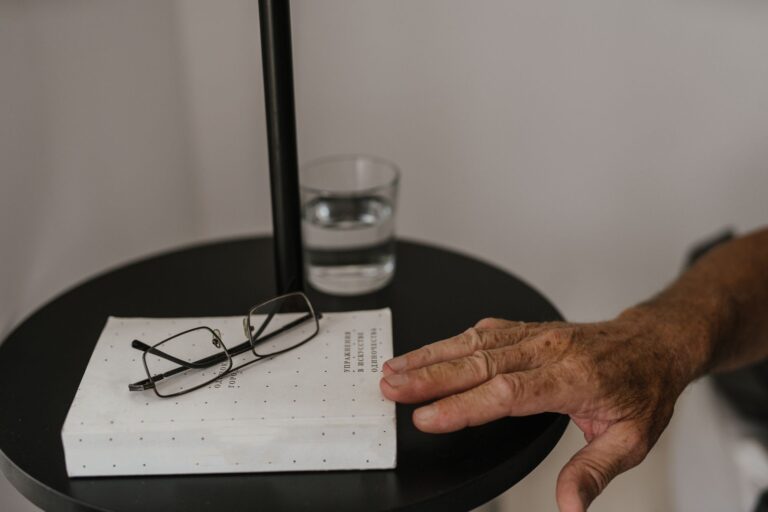
When a loved one with dementia thanks everyone except you, it does not necessarily mean they value you less or intentionally reject your care. This pattern is not a defined dementia symptom, but it can reflect memory-related failure to recognize you, suspicion, or a delusion—a false belief that feels real to the person. The behavior still hurts, especially when you provide most of the daily care. Treat it as a communication and safety problem, not reliable evidence of your loved one's preferences or gratitude.
Medical information disclaimer: This article is for general educational purposes only and does not provide medical advice, diagnosis, or treatment. Always consult a physician or other qualified health professional about symptoms, medications, tests, or treatment decisions.
Table of Contents
- What might explain the behavior?
- How should you respond in the moment?
- When is the change a medical warning?
- How can you protect yourself from resentment?
- When should you seek support or respite?
What might explain the behavior?
dementia can impair a person's ability to remember who provides care, what happened earlier, or how people are related. The National Institute on Aging explains that Alzheimer's-related paranoia can make a caregiver seem like a stranger, untrustworthy, harmful, or deceptive when the person forgets the caregiver's identity or prior relationship. National Institute on Aging guidance Your loved one may thank a visitor because that interaction is brief, novel, or easier to understand in the moment. They may not connect your repeated help with the same sense of occasion.
A warm response to someone else does not prove that person matters more. Confusion and memory loss can also contribute to delusions, particularly in middle or late-stage Alzheimer's disease. The Alzheimer's Association notes that these beliefs can feel completely real, so selective gratitude may reflect altered perception rather than a deliberate judgment about you. Alzheimer's Association information on suspicions and delusions.
How should you respond in the moment?
Do not try to force recognition or prove that you deserve thanks. Arguing can increase distress, even when your facts are correct. Instead, respond to the feeling behind the moment. You might say, "You're glad she came by," or "It sounds like you feel cared for." Then offer calm reassurance and shift attention to a familiar activity, snack, music, or another neutral subject.
Dementia organizations recommend acknowledging feelings, reassuring the person, and redirecting attention rather than arguing about accusations or suspicious beliefs. If your loved one says you are unhelpful or harmful, avoid demanding an apology. Keep your voice steady, give extra physical space, and reduce noise or competing conversations. If the interaction becomes unsafe, leave the room when possible and seek help from another trusted person.
When is the change a medical warning?
A sudden onset of delusions or a marked change in behavior needs prompt medical assessment. Delirium—a sudden, serious change in attention and thinking—can be an emergency. Illnesses and medicines can also cause hallucinations or delusions. Alzheimer's Society guidance on delusions contact the person's clinician promptly when the change is new, rapidly worsening, or accompanied by unusual confusion, hallucinations, severe distress, or a sudden change in functioning.
Record when it began, what happened beforehand, recent medicine changes, and any physical symptoms. Do not automatically label suspicion as paranoia. The National Institute on Aging warns that suspicion may also signal physical, emotional, or financial elder abuse. Take specific accusations seriously and consider whether your loved one may be frightened, injured, neglected, pressured, or missing money.
How can you protect yourself from resentment?
Being overlooked can magnify the strain of unpaid or constant care. In a 2018 cross-sectional study of 72 people from 30 dementia-care families, perceiving family members as under-contributing was associated with greater distress. The small, self-reported study could not establish causation or test selective gratitude specifically.
You can address the practical imbalance even if dementia prevents your loved one from acknowledging it. Ask relatives for concrete help rather than general concern: Separate appreciation from workload. Your loved one's thanks may be unreliable, but the hours, decisions, and physical demands of caregiving remain real. A written task list can help relatives see what care requires without making your loved one responsible for assigning value.
- Cover a regular visit, meal, appointment, or errand.
- Take responsibility for one ongoing task.
- Join a care meeting or help track medicines and bills.
- Arrange time when you are fully off duty.
When should you seek support or respite?
Speak with a clinician if caregiving is causing recurring anger, exhaustion, sleep loss, withdrawal, anxiety, depression, or effects on your health. The Alzheimer's Association reports that 59% of dementia caregivers experience high stress, so distress is not evidence that you are failing. Respite care provides temporary rest while the person with dementia receives care in a safe setting.
The Alzheimer's Association recommends using respite to preserve social connection, appointments, exercise, and other personal needs. Alzheimer's Association caregiver-stress guidance Start with the smallest dependable break you can arrange. Even when your loved one never thanks you for it, protecting your health helps you make safer decisions and continue care with less exhaustion.