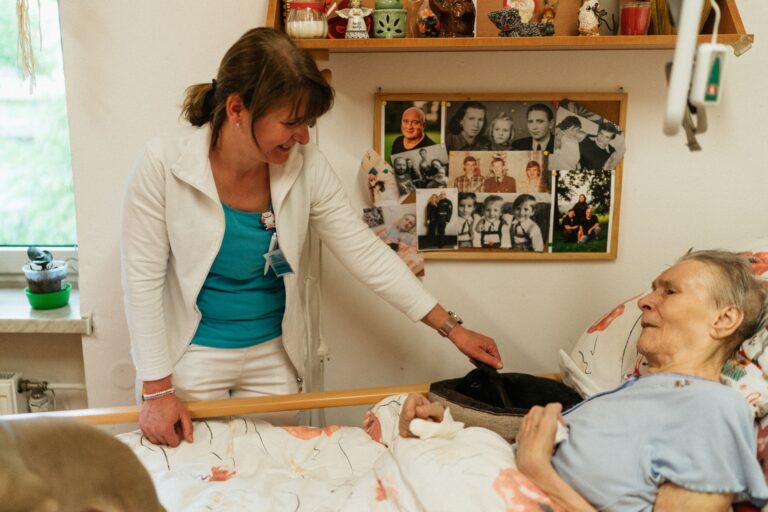
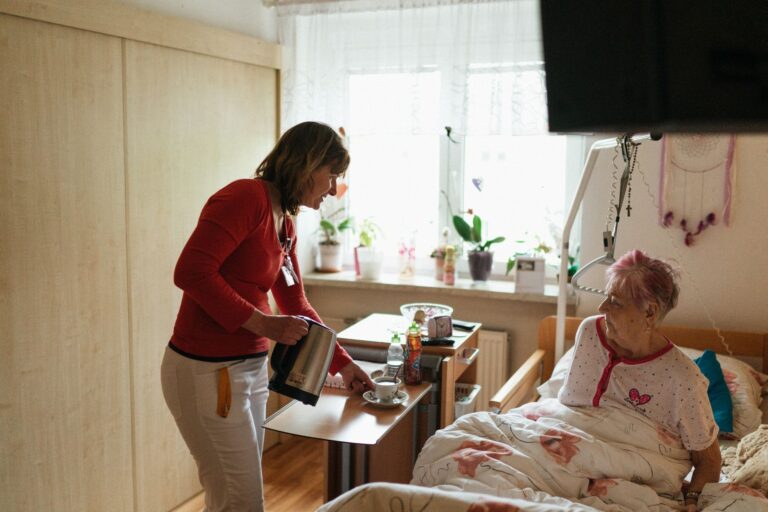
Whether antibiotics should be used for pneumonia in advanced dementia depends primarily on the patient’s goals of care—not on medical capability alone. In many cases, especially when a person is approaching the end of life, comfort-focused care that prioritizes dignity and symptom relief may align better with their values than aggressive antibiotic treatment. However, this decision is never automatic, and each case requires careful consideration of the individual’s medical status, expressed wishes, and family values. Consider a 78-year-old woman with severe dementia who can no longer speak or swallow.
When she develops pneumonia, her family and care team must weigh whether antibiotics and potential hospitalization serve her best interests—or whether they may simply prolong a decline she cannot reverse, with potential harms like delirium, medication side effects, and loss of comfort at home. The straightforward medical answer—”yes, give antibiotics”—often fails to account for what matters most to people with advanced dementia and their loved ones. Modern medicine can treat infections, but it cannot restore cognitive function or reverse the course of advanced dementia. The real question is not whether we can treat pneumonia, but whether doing so serves the person’s deeply held values and remaining quality of life.
Medical information disclaimer: This article is for general educational purposes only and does not provide medical advice, diagnosis, or treatment. Always consult a physician or other qualified health professional about symptoms, medications, tests, or treatment decisions.
Table of Contents
- WHY DOES PNEUMONIA OCCUR IN ADVANCED DEMENTIA?
- WHAT ACTUALLY HAPPENS WHEN ANTIBIOTICS ARE GIVEN?
- HOW SHOULD FAMILIES AND CARE TEAMS APPROACH THIS DECISION?
- COMFORT-FOCUSED CARE AS AN ALTERNATIVE PATH
- WHAT ABOUT PEOPLE WHO MIGHT STILL BENEFIT FROM ANTIBIOTICS?
- DOCUMENTATION AND CARE PLANNING MATTER GREATLY
- THE ROLE OF TIME AND PROGRESSING ILLNESS IN DECISION-MAKING
WHY DOES PNEUMONIA OCCUR IN ADVANCED DEMENTIA?
In advanced dementia, the body’s protective mechanisms gradually fail. Swallowing becomes impaired, allowing food, saliva, or stomach contents to enter the lungs instead of the esophagus—a process called aspiration. The person may also become less mobile, increasing risk for pneumonia. Additionally, the immune system weakens with age and advanced disease, making it harder to fight off infection.
The combination of aspiration risk, immobility, and immune decline creates a perfect environment for respiratory infection. Importantly, pneumonia in advanced dementia is often not a treatable acute illness like pneumonia in a younger person. Instead, it frequently signals that the body is shutting down. Some research and clinical experience suggest that pneumonia near end-of-life is sometimes called “the old person’s friend” because it can provide a relatively comfortable path toward death compared to prolonged decline from other causes. This doesn’t mean pneumonia should be ignored, but it does mean the presence of infection alone should not automatically trigger hospital admission and antibiotics without considering the broader clinical picture.
WHAT ACTUALLY HAPPENS WHEN ANTIBIOTICS ARE GIVEN?
When antibiotics are given to someone with advanced dementia, the outcomes are often unpredictable and sometimes harmful. Studies from geriatric and palliative care show that antibiotics in advanced dementia frequently do not improve survival or quality of life—and may cause new problems. Antibiotics can trigger allergic reactions, diarrhea from disrupted gut bacteria (including dangerous *Clostridioides difficile* infection), confusion or delirium, and drug interactions with other medications.
Hospitalization for antibiotic administration often means removal from home, loss of familiar people and routines, and exposure to procedures like IV lines or catheters that can cause discomfort and increased confusion. A person who cannot communicate their distress may be restrained to prevent removal of medical devices, adding to their suffering. The antibiotic course typically lasts days to weeks, during which the person’s confusion may worsen, their comfort care may be deprioritized in favor of infection management, and their dignity erodes. Even when antibiotics do clear the infection, the underlying dementia remains—and often, another infection develops within weeks or months, restarting the cycle of treatment and hospitalization.
HOW SHOULD FAMILIES AND CARE TEAMS APPROACH THIS DECISION?
The right decision begins with understanding the person’s own values before they developed dementia, if those values were ever expressed. Did they say they would want “everything done” or did they express concern about prolonged suffering? An advance directive or living will, if one exists, becomes the primary guide.
If no formal directive exists, family members who knew the person well can often articulate what that person would have wanted, based on their expressed priorities during life. A conversation with the medical team should explore specific questions: What is the person’s prognosis with or without treatment? Will antibiotics likely extend meaningful life, or mainly extend dying? Can the pneumonia be managed comfortably without hospitalization? What does a “good death” look like for this person? Some care teams are experienced in supporting shared decision-making conversations; others are not. Families should feel empowered to ask these questions repeatedly and to involve a palliative care specialist or ethics consultant if the medical team seems focused only on “treating” the infection rather than considering the person’s overall well-being.
COMFORT-FOCUSED CARE AS AN ALTERNATIVE PATH
When the decision is made not to pursue antibiotics, comfort-focused care becomes the priority. This is not “doing nothing”—it is active, skilled care aimed at relief of suffering. A person with pneumonia experiences shortness of breath, and this can be treated with medications, gentle repositioning, and a calm environment. Anxiety can be soothed with reassurance, presence, and medication if needed. Fever can be managed with cool cloths and acetaminophen if the person desires it.
Mouth care, skin care, pain management, and emotional support continue at their full level. Comfort care can often be delivered at home, in assisted living, or in a hospice or palliative care unit. The person remains surrounded by family, familiar faces, and meaningful routines to the extent possible. This approach honors the reality that advanced dementia is a terminal illness, and the focus shifts from fighting that trajectory to supporting the person’s dignity and peace within it. Some families find that their loved one dies more peacefully under comfort-focused care than they would have through hospitalization, antibiotic courses with side effects, and repeated infections—even though comfort-focused care does not reverse the underlying disease.
WHAT ABOUT PEOPLE WHO MIGHT STILL BENEFIT FROM ANTIBIOTICS?
Antibiotics are not universally inappropriate in advanced dementia. Some people with advanced dementia who develop pneumonia do have reversible infections and intact wishes to pursue treatment. For example, a person with moderate dementia who has previously stated they want “everything done,” who has developed pneumonia but remains otherwise stable, and whose family is strongly motivated toward treatment may indeed benefit from a course of antibiotics. The key is that the decision must be individualized, not reflexive.
Additionally, not every respiratory symptom in advanced dementia is bacterial pneumonia. Aspiration of food or saliva can cause coughing and labored breathing without actual infection, and antibiotics will not help in that situation. A careful medical evaluation, sometimes including imaging, helps clarify whether infection is actually present. Some episodes of confusion or shortness of breath in dementia patients have other causes—medication side effects, urinary infection, pain, or simple dehydration—that might respond to different interventions altogether.
DOCUMENTATION AND CARE PLANNING MATTER GREATLY
One of the most important steps families can take is ensuring their relative’s wishes are documented while that person can still communicate them. A completed advance directive or POLST (Physician Orders for Life-Sustaining Treatment) form, signed and kept accessible in the medical record, prevents confusion and conflict later.
These documents should clearly state whether the person wants infection treatment, hospitalization, and artificial nutrition—questions that often arise in advanced dementia care. Without such documentation, well-meaning care teams may default to treatment, and family members may experience guilt or conflict later, wondering if aggressive care served the person’s true wishes. Having a difficult conversation now about what matters most—remaining at home, avoiding hospitals, spending time with family, being comfortable—translates into clearer, more compassionate care when infections occur.
THE ROLE OF TIME AND PROGRESSING ILLNESS IN DECISION-MAKING
Timing matters profoundly in these decisions. A person who has recently been diagnosed with dementia but retains some ability to communicate may choose different care than someone in end-stage disease who has been declining for years. As dementia progresses, the person’s ability to understand and weigh treatment options fades, shifting decision-making authority to family and medical teams.
At that point, the question shifts from “what would you choose?” to “what best honors your previously expressed values and your dignity now?” A pneumonia infection appearing when a person is already bedbound, unable to eat, no longer recognizing family, and declining despite maximal care sends a different clinical message than infection in someone who is still interactive and engaged. This is not to say advanced decline automatically means “no antibiotics,” but rather that advanced decline fundamentally changes what treatment can reasonably achieve. In late-stage dementia, where even antibiotics that eliminate the infection do nothing to restore cognition or reverse decline, the medical benefit narrows significantly while the risks of hospitalization, delirium, and medication side effects remain real.
- —