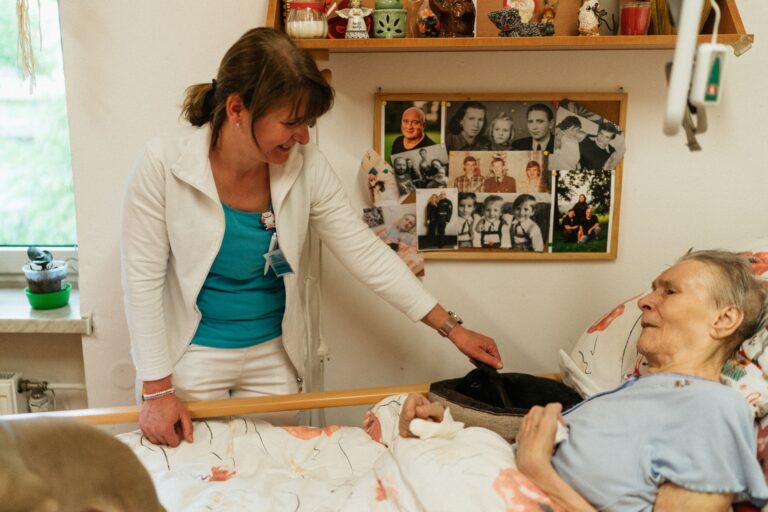
Active dying in advanced dementia is a gradual process that unfolds over hours or days, marked by a shift in the person’s breathing patterns, decreasing responsiveness, and visible changes in circulation and consciousness. Unlike acute medical crises, active dying in dementia often progresses quietly—a person may become cool to the touch, their breath may become irregular or gurgly, and they may no longer recognize family members or respond to voice. This phase occurs when the body is beginning to shut down, organ systems are failing, and the dying process is underway, yet family members and caregivers often miss these signs because they’re subtle compared to the dramatic final moments seen on television.
The hallmark of active dying in advanced dementia is that it’s unmistakable once you know what to look for: the person stops eating and drinking (sometimes days before), their eyes may remain open or partially open without focusing, and they may speak in ways that seem confused or oriented to a different reality. For example, a woman who hadn’t spoken in months might suddenly begin murmuring to relatives who passed decades ago, or a man who was largely unresponsive all morning might take several shallow breaths and then a long pause that stretches for 20, 30, or 40 seconds before breathing resumes. These changes signal that the brain is no longer commanding the body as it once did.
Medical information disclaimer: This article is for general educational purposes only and does not provide medical advice, diagnosis, or treatment. Always consult a physician or other qualified health professional about symptoms, medications, tests, or treatment decisions.
Table of Contents
- What Are the Early Signs of Active Dying in Advanced Dementia?
- Breathing Changes and What They Mean
- Consciousness and Communication During the Final Days
- What Should Caregivers Do During Active Dying?
- When Does Breathing Stop and What Happens Next?
- The Role of Medications in Active Dying
- The Emotional and Practical Reality of Witnessing Active Dying
What Are the Early Signs of Active Dying in Advanced Dementia?
The transition into active dying often begins with the person‘s appetite disappearing entirely—they may refuse or forget to swallow, or show no interest in food even when it’s placed in front of them. This is not a sign that something can be fixed with a different meal or more encouragement; it’s a sign that the body’s need for fuel is ending. Simultaneously, the person may become drowsy or difficult to arouse, spending more time asleep or in a state between sleep and wakefulness. Some caregivers describe this as a “fading” where the person seems to be drifting away from the world rather than being pulled from it.
Another early marker is the change in skin color and temperature. The hands, feet, and sometimes the nose and ears may become mottled—patchy with purple, blue, or gray discoloration—as the heart becomes less efficient at pumping blood to the extremities. This mottling can appear and disappear over hours. The person’s skin may feel cold to the touch even though their core body temperature might remain normal. Many family members mistake this for illness that can be treated, not realizing it’s a sign of cardiovascular decline that’s part of the dying process itself.
Breathing Changes and What They Mean
The breathing patterns that occur during active dying can be deeply unsettling for people who haven’t witnessed them before. A person might breathe rapidly and shallowly for a while, then slow down dramatically, then pause for what seems like an impossible length of time before starting again. This pattern is called Cheyne-Stokes breathing, and while it looks like the person has stopped breathing altogether, they almost always resume on their own.
Some people describe a sound like gurgling or rattling, which happens when secretions in the throat collect because the person can no longer cough or swallow effectively—this is sometimes called a “death rattle,” though it’s a normal part of dying, not a sign of suffering. One critical limitation to understand is that changes in breathing do not always correlate with comfort or discomfort. A person who appears to be struggling for breath may or may not be experiencing distress in the way we typically think of it—their neurological capacity to suffer is impaired by the advanced dementia itself. However, this doesn’t mean caregivers should ignore signs of potential discomfort; a person who appears agitated or tense may benefit from medication adjustment, repositioning, or quiet presence from loved ones.
Consciousness and Communication During the Final Days
As active dying progresses, the person typically becomes less responsive to their surroundings. They may not open their eyes when spoken to, may not follow simple commands, and may lose the ability to communicate verbally. Yet some families report moments of apparent clarity—a person opens their eyes and looks directly at a family member, or speaks a few clear words before returning to unresponsiveness. These moments are often bittersweet; they can feel like a gift of connection or like a cruel reminder of who the person was, depending on the family’s emotional state.
Vocalization often changes character during active dying. Some people become very quiet, others make moaning or groaning sounds that aren’t necessarily cries of pain but rather sounds produced by the body as it works harder to breathe or moves through different sleep stages. An example is someone who hasn’t spoken in weeks suddenly seeming to have conversations with unseen people—this is thought to reflect changes in brain activity and circulating medications, not a return of mental clarity. Some families find these moments comforting because they suggest peace or reunion; others find them disturbing. Understanding that this is a normal neurological phenomenon can help caregivers process what they’re witnessing.
What Should Caregivers Do During Active Dying?
The shift into active dying is the time to move away from medical interventions aimed at prolonging life and toward comfort-focused care. This might mean stopping certain medications, declining blood draws or hospital transfers, and focusing instead on medications that ease breathing, reduce anxiety, or manage pain. A nursing facility’s palliative care team, or a hospice service if one is in place, can help guide these decisions and administer comfort medications as needed. One major tradeoff families face is between staying bedside at all times and allowing themselves rest and self-care.
Some families maintain a constant vigil; others take turns or step away for brief periods. There’s no single right approach. What matters is that someone checks on the person regularly—perhaps every hour—to listen for changes in breathing, note any color changes, and ensure they’re as comfortable as possible. This might involve repositioning them gently, applying a cool washcloth to their forehead, or simply holding their hand while speaking softly. The active dying phase can last anywhere from a few hours to several days, and families often need support to sustain themselves through it.
When Does Breathing Stop and What Happens Next?
At some point, the breathing that has been irregular and labored becomes even more sparse, until finally it stops altogether. Paradoxically, this moment often brings a visible relaxation to the person’s face—the tension that may have existed for hours or days releases, and the person looks peaceful. Some families describe it as the first time in a long time they’ve seen the person look comfortable. However, the death of the person is not always medically certain in that immediate moment; sometimes a caregiver will stand witness believing the person has died, only to hear a breath some minutes later.
A critical warning: even after breathing has ceased, the person may continue to show signs of reflexive activity for several minutes—muscle twitches, gasps, or eye movements. Family members should be prepared for this. These are involuntary responses, not signs of consciousness or suffering, but they can be shocking if someone hasn’t been told to expect them. After these reflexes fade and approximately 5 to 15 minutes have passed, the person is pronounced dead by medical staff.
The Role of Medications in Active Dying
During active dying, the body’s ability to absorb and process medications changes significantly. A person who could swallow a pill a week earlier may no longer be able to swallow at all. Many medications are changed to liquid or transdermal formulations, or are delivered through a feeding tube or injected.
Comfort medications—typically opioids for breathing difficulties, anticholinergics for secretions, and sedatives for agitation—become the focus rather than antibiotics, blood pressure medications, or other disease-treating drugs. Some families worry that comfort medications might hasten death. Medical evidence suggests this is not the case when medications are used at therapeutic doses for symptom relief; the medications ease suffering but do not directly cause death. However, this is a source of deep anxiety for many caregivers, and it’s worth discussing explicitly with the hospice team or palliative care physician to understand the role and expected effects of each medication.
The Emotional and Practical Reality of Witnessing Active Dying
Watching someone in active dying in advanced dementia is often profoundly disorienting because it unfolds so slowly and is so visibly different from the person they were. There is no moment of dramatic goodbye, no final conversation, no chance for the person to make peace or share wisdom—their dementia has stolen that possibility. Instead, families often describe a long fade, with decreasing responsiveness over days, and a death that feels less like an event and more like a conclusion to a process that began years earlier when the dementia first took hold. Hospitals and care facilities vary in how well they prepare families for active dying.
Some clinicians explain every sign and change as it happens; others assume families already understand or don’t want to know. If you’re caring for someone in this phase, don’t hesitate to ask questions: Ask what breathing pattern you’re seeing and whether it’s expected. Ask what specific changes over the next hours or days might indicate the person is getting closer to death. Ask whether certain medications can be given to ease any apparent discomfort. The person in active dying cannot advocate for themselves, and your role as a present, informed witness is one of the final acts of care you can offer.
- —