Reviewed by the Help Dementia Editorial Team — our editors review every article for accuracy against guidance from the National Institute on Aging, the Alzheimer’s Association, and peer-reviewed sources.
Recent clinical trials have produced some of the most encouraging results in dementia research in decades, offering genuine reason for optimism about treatment possibilities. The FDA’s approval of lecanemab (Leqembi) in early 2023 marked a significant milestone—it was the first disease-modifying treatment to show measurable slowing of cognitive decline in people with early-stage Alzheimer’s disease, with clinical trials demonstrating a 27% slowing of decline over 18 months in the early symptomatic stage. Beyond pharmaceutical advances, research into lifestyle interventions, early detection biomarkers, and combination therapies is revealing that dementia may not be as inevitable as previously thought, and that multiple pathways exist to slow progression or prevent onset altogether.
The hope being offered by this research is importantly different from a cure or quick fix. What scientists are finding is that intervention during specific windows—particularly before significant cognitive loss occurs—can make a meaningful difference in how dementia progresses. This shift toward earlier intervention and multifaceted treatment approaches represents a fundamental change in how the medical field approaches these conditions, moving away from the fatalistic view of the past two decades toward an era of active management and prevention.
Table of Contents
- What New Treatments Are Showing Promise for Dementia Patients?
- The Role of Early Detection in Changing Dementia Outcomes
- How Lifestyle and Cognitive Interventions Remain Foundational
- Combination Therapy Approaches—Why Dementia Treatment Is Becoming More Complex
- Understanding Limitations—Not Everyone Responds and Timing Matters Critically
- The Promise of Combination Biomarkers and Personalized Risk Prediction
- The Future Landscape—What’s on the Horizon Beyond Current Treatments
- Conclusion
What New Treatments Are Showing Promise for Dementia Patients?
Over the past five years, clinical trials have shifted from simply managing symptoms to actually targeting the underlying disease mechanisms. Beyond lecanemab, several other anti-amyloid monoclonal antibodies are in late-stage development—drugs like donanemab and remternetug are showing similar or even stronger results in preliminary trials, with some data suggesting they may be effective even after symptoms have appeared. The common thread across these treatments is that they target amyloid-beta, the protein that accumulates in Alzheimer’s brains, but the newer generation appears to work more efficiently and with more tolerable side effects than earlier attempts.
What’s particularly significant is that these treatments don’t work in isolation. Researchers are finding that combining anti-amyloid drugs with anti-tau therapies, or layering in cognitive rehabilitation and lifestyle interventions, produces better outcomes than single-approach treatments. One limitation to understand: these treatments require regular IV infusions (typically monthly or quarterly), they’re expensive ($26,500 annually at current pricing), and they only work in the early stages before too much irreversible brain damage has occurred. They also carry risks—a small percentage of patients develop ARIA (amyloid-related imaging abnormalities), which can include brain microhemorrhages.
The Role of Early Detection in Changing Dementia Outcomes
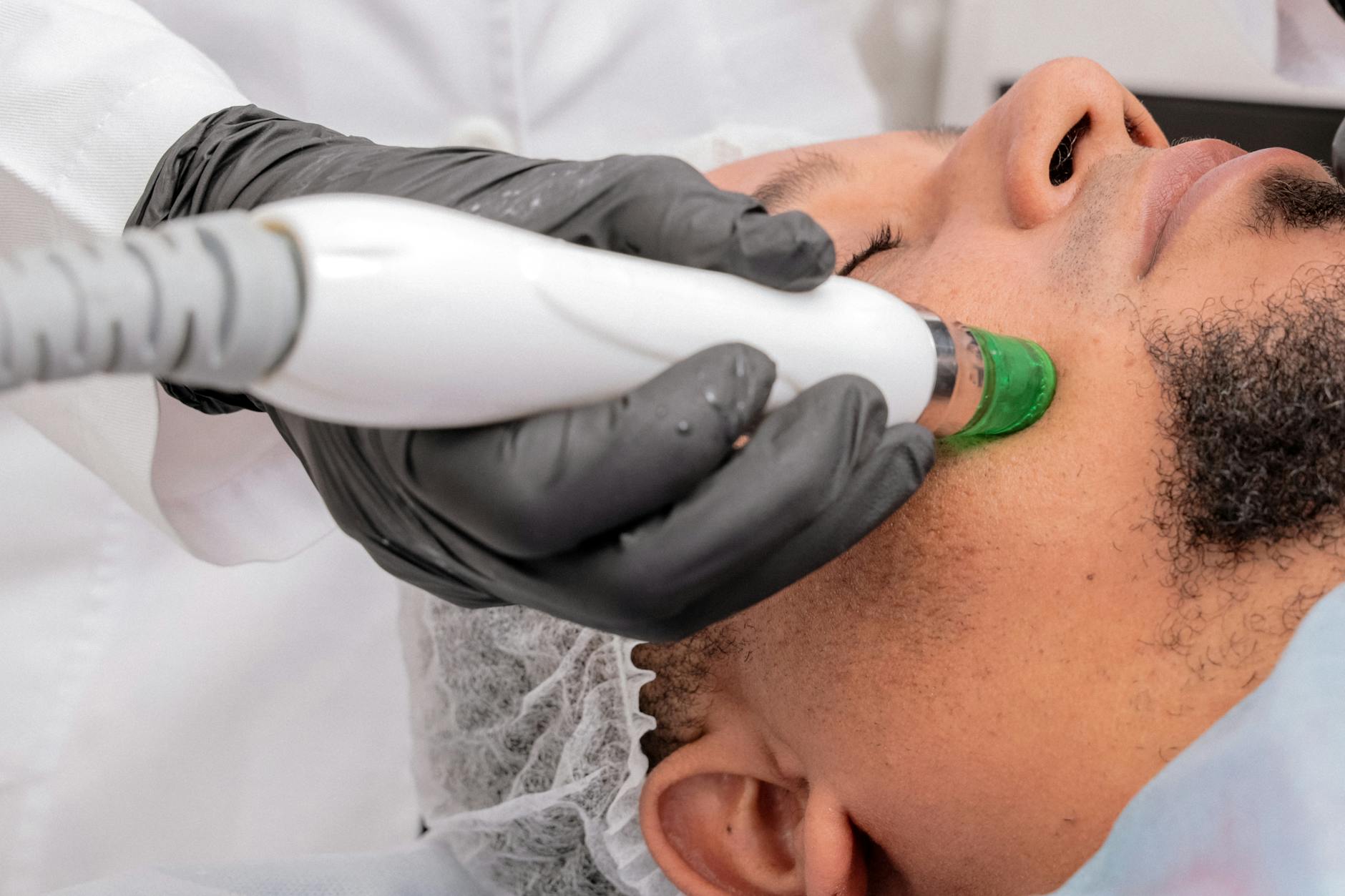
Perhaps equally important as new treatments is the revolution in early detection. Blood biomarker tests—measuring phosphorylated tau and amyloid levels—can now identify Alzheimer’s pathology years or even decades before symptoms appear. Companies like C2N Diagnostics and Mayo Clinic have validated these tests, and they’re increasingly available through standard medical channels rather than only in research settings. For patients with cognitive complaints, this earlier identification makes a meaningful difference because it opens the window for intervention when the brain still has better capacity to compensate.
However, earlier detection comes with psychological weight. People identified as having preclinical Alzheimer’s disease face years of knowing about the condition before any symptoms manifest, and this knowledge itself can create anxiety and potentially worsen perceived cognitive problems through nocebo effects. Furthermore, the predictive value of these biomarkers, while strong statistically, isn’t perfect at the individual level—not everyone with amyloid and tau pathology will develop dementia, and some will progress much faster than others. Healthcare systems are still working out how to counsel people about these results responsibly, and there’s genuine concern about over-treatment of preclinical disease in people who might never have become symptomatic.
How Lifestyle and Cognitive Interventions Remain Foundational
While pharmaceutical advances dominate headlines, some of the most robust research in dementia prevention involves comparatively unglamorous interventions: physical exercise, cognitive training, social engagement, sleep quality, and dietary patterns. The FINGER study in Finland demonstrated that a combination of physical exercise, cognitive training, nutritional counseling, and cardiovascular risk factor management reduced cognitive decline by 25% compared to control groups—a result remarkably comparable to what lecanemab achieved, but accessible, affordable, and without side effects. What’s noteworthy is that these lifestyle interventions appear to work through different mechanisms than pharmaceutical treatments.
Where anti-amyloid drugs target one specific protein, exercise and cognitive engagement improve vascular health, reduce inflammation, enhance neuroplasticity, and strengthen cognitive reserve. A practical example: a person who maintains an active social life, regularly reads and engages in challenging activities, and exercises regularly may develop the same amyloid pathology as someone sedentary, but the active person’s brain has better compensatory networks and functional resilience. The tradeoff is that lifestyle changes require sustained effort and motivation, whereas taking a monthly infusion is more passive—yet the lifestyle approach has zero side effects and broader health benefits beyond brain health.

Combination Therapy Approaches—Why Dementia Treatment Is Becoming More Complex
The most promising results emerging from current research combine multiple approaches: anti-amyloid or anti-tau drugs, cardiovascular health optimization, structured cognitive training, physical therapy, and nutritional interventions tailored to the individual. The rationale is straightforward—dementia typically involves multiple pathological processes, so targeting only one is inherently limited. Some research centers are now employing what could be called “precision dementia medicine,” where patients undergo comprehensive biomarker testing to identify which pathologies (amyloid, tau, neuroinflammation, vascular dysfunction, etc.) are driving their cognitive decline, then treatments are selected accordingly.
This approach requires more medical coordination and patient engagement than traditional neurology care. A person following this model might be taking a disease-modifying drug, attending physical therapy twice weekly, participating in cognitive training, following a specific diet (often Mediterranean or MIND diet), managing blood pressure and cholesterol aggressively, and undergoing periodic biomarker testing to track progress. The comparison to cancer care is instructive—modern cancer treatment involves multiple specialists and complex drug regimens, and dementia care is increasingly moving in that direction. The limitation is that this level of comprehensive care isn’t equally accessible across different healthcare systems, and it places significant burden on patients and caregivers to coordinate care across multiple providers.
Understanding Limitations—Not Everyone Responds and Timing Matters Critically
One crucial element of responsible discussion about dementia research is recognizing that not all interventions work equally well for all people. Anti-amyloid drugs show benefit primarily in the asymptomatic or mildly symptomatic stages; once moderate cognitive impairment is present, the evidence becomes much weaker. Some people respond robustly to these treatments while others show minimal benefit, and we currently lack reliable ways to predict who will respond. ARIA (amyloid-related imaging abnormalities) occurs in up to 20% of people on the highest doses of some anti-amyloid drugs, and while often asymptomatic, it represents concerning brain changes that require regular MRI monitoring. A second warning: the economic implications create accessibility concerns that could exacerbate existing healthcare disparities.
Lecanemab costs $26,500 annually; insurance coverage varies widely, and even with coverage many patients face significant out-of-pocket costs. The newest drugs in development may be even more expensive. Meanwhile, the “free” interventions—exercise, social engagement, cognitive training—require time and resources that disadvantaged populations often lack. Current research disproportionately involves educated, affluent, predominantly white populations, so we have less data on how these treatments work in other groups. These are not limitations in the science itself, but limitations in how the science will be accessed and applied.

The Promise of Combination Biomarkers and Personalized Risk Prediction
Beyond treating existing disease, research is advancing our ability to predict who will develop dementia years in advance. Combining multiple biomarkers—measuring amyloid, tau, phosphorylated tau variants, neurofilament levels, and brain imaging markers—allows researchers to create risk profiles with increasing accuracy. Some research centers are now offering personalized dementia risk assessments based on genetic data, biomarker panels, cognitive testing, and lifestyle factors, providing individuals with estimated 10-year or 20-year dementia risk.
For someone identified as high-risk, this opens possibilities for preventive intervention—potentially starting disease-modifying drugs before symptoms appear, or intensifying lifestyle interventions. An example: a 55-year-old with a family history of Alzheimer’s, positive genetic risk factors (APOE4 carriers have higher risk), and elevated blood biomarkers might be enrolled in a prevention trial or offered preventive treatment. However, this remains an area where the science is still developing, and personalizing prevention recommendations for someone with no symptoms remains ethically complex.
The Future Landscape—What’s on the Horizon Beyond Current Treatments
The pipeline of dementia research extends well beyond the drugs and approaches currently available. Tau-targeting therapies, neuroinflammation inhibitors, and approaches targeting neurodegeneration at the synaptic level are all in development. Some of the most exciting emerging approaches involve gene therapy and cellular interventions—rewiring neural circuits or replacing damaged cells—though these remain largely experimental.
The consensus among dementia researchers is that a single “silver bullet” is unlikely; rather, the future involves increasingly sophisticated combinations of precision diagnostics and layered interventions. What this research trajectory means for patients and families is that the nihilism that characterized dementia medicine a decade ago is unwarranted. We’re in an era where something can actually be done—not a cure, but meaningful slowing or even prevention of disease progression in many cases. The challenge ahead is translating research breakthroughs into accessible clinical care, training sufficient numbers of specialists in precision dementia medicine, and helping people understand when intervention is appropriate without creating panic about preclinical disease.
Conclusion
The research emerging across dementia science offers genuine hope because it’s grounded in mechanism—we understand better why these treatments work, we can measure their effects, and we’re seeing measurable clinical benefit in multiple populations. Lecanemab and drugs in the pipeline represent important progress, but they’re part of a broader shift toward earlier detection, personalized medicine, and combination approaches that include both pharmacological and non-pharmacological interventions. The most realistic hope is not a cure, but the possibility of slowing or even preventing cognitive decline if intervention happens early enough.
For people concerned about dementia—whether because of family history, cognitive concerns, or simply wanting to reduce risk—the current research landscape offers clear actionable steps: cognitive and physical engagement, cardiovascular health management, sleep optimization, social connection, and discussion with healthcare providers about biomarker testing if appropriate. For those with early cognitive changes, the window for trying disease-modifying treatments is real and worth exploring with a dementia specialist. The era of dementia as an inevitable decline has shifted toward an era of active management and prevention.