How Families Preserve Music Boxes Before Alzheimer’s Takes More Memories
The strategy works because [brain regions processing music are largely spared by Alzheimer's disease, unlike areas controlling other forms of...
The strategy works because [brain regions processing music are largely spared by Alzheimer's disease, unlike areas controlling other forms of...

Gait-first decline in an older adult may signal NPH—a dementia mimic that surgery can sometimes reverse if caught early.

Hearing loss can mimic dementia so convincingly that many older adults get the wrong diagnosis—and miss the treatment they actually need.

Bandage picking in dementia stems from confusion and lost impulse control, but practical solutions like layered clothing and non-adhesive wraps can prevent wound damage.

Delirium recovery continues long after hospital discharge—prepare your medical records, support team, and home environment now to prevent readmission.

After delirium clears, asking your doctor specific questions about the cause, medications, and warning signs prevents the episode from happening again.

When vision and hearing are corrected, patients can better understand their environment, communicate with caregivers, process medical instructions, and...
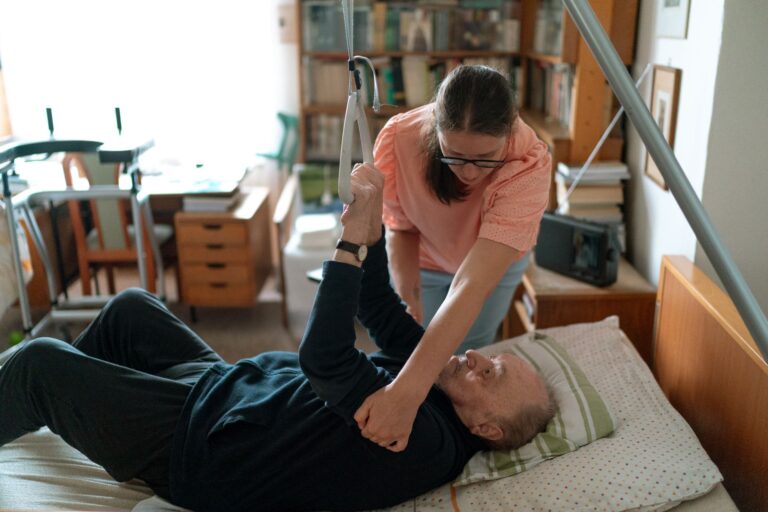
After delirium, movement isn't optional recovery—it's the fastest path back to clear thinking and independence.

Sleep is the brain's primary recovery mechanism after delirium—without it, cognitive healing stalls and confusion can persist for months.

Laminated emergency contact cards on the refrigerator, bedside table, and car ensure help is one phone call away, even when memory fails.