Reviewed by the Help Dementia Editorial Team — our editors review every article for accuracy against guidance from the National Institute on Aging, the Alzheimer’s Association, and peer-reviewed sources.
Detection continue sits at the center of this dementia and brain health question.
Recent advances in detection technology are fundamentally changing how early Alzheimer’s disease is diagnosed, offering patients and doctors a window into neurological changes years before traditional cognitive decline becomes apparent. Where clinicians once had to wait for memory loss and confusion to manifest—often after significant brain damage had already occurred—modern detection methods can now identify the pathological hallmarks of Alzheimer’s in asymptomatic individuals, allowing for earlier intervention when treatments may be most effective. A patient in their fifties with a family history of dementia might now receive a PET scan showing amyloid and tau accumulation, or undergo a blood test revealing elevated phosphorylated tau levels, long before they experience any noticeable memory problems. These detection improvements represent a significant shift in how the medical community approaches Alzheimer’s prevention and management.
Rather than waiting to diagnose a disease after it’s already destroyed cognitive function, doctors can now identify preclinical and prodromal stages—the years or decades before symptoms appear when the brain is just beginning to show signs of pathology. This shift has profound implications for treatment planning, family communication, and lifestyle modifications that might slow progression. The practical impact is evident in major medical centers across the country, where specialized cognitive aging programs now routinely use advanced imaging and blood biomarkers as part of their diagnostic workup. This represents a dramatic change from clinical practice just five years ago, when such detailed biomarker assessment was limited to research settings.
Table of Contents
- How Are Detection Advances Changing Alzheimer’s Diagnosis?
- Blood Biomarkers—The Game-Changing Advancement in Accessible Detection
- Advanced Imaging Techniques Revealing Structural Brain Changes
- Earlier Detection Enables Earlier Intervention—But With Tradeoffs
- Diagnostic Challenges and Limitations Still Present in Detection
- Genetic Testing as Part of the Detection Picture
- The Future of Alzheimer’s Detection and Emerging Technologies
- Conclusion
- Frequently Asked Questions
How Are Detection Advances Changing Alzheimer’s Diagnosis?
The foundation of these diagnostic improvements rests on three major detection technologies: amyloid and tau PET imaging, advanced MRI techniques that measure brain volume and structure, and increasingly sophisticated blood biomarkers. Each offers a different window into the disease process. PET imaging can directly visualize the protein accumulations that characterize Alzheimer’s pathology. Blood tests—particularly those measuring phosphorylated tau variants (p-tau181, p-tau217) and plasma phosphorylated tau to amyloid-beta ratios—can detect these same pathological changes without requiring an imaging facility or expensive equipment. The diagnostic improvement is substantial.
Traditional cognitive testing might not catch Alzheimer’s until the disease has progressed significantly, as patients are often skilled at compensating for early cognitive changes and may not perform abnormally on standard mental status exams until dysfunction is pronounced. In contrast, biomarker-positive patients identified through blood work or imaging often show no symptoms at all. A 58-year-old without any memory complaints might receive results showing elevated p-tau and amyloid, with imaging confirming plaque and tangle deposition in key brain regions, while still scoring normally on cognitive testing. This ability to detect preclinical disease has opened new research and treatment possibilities, particularly around preventing or slowing cognitive decline before it begins. The field has increasingly adopted staging models that recognize Alzheimer’s as existing along a continuum from preclinical (pathology present, no cognitive symptoms) through prodromal (subtle cognitive changes) to dementia stages, and detection methods can now identify individuals at each stage.

Blood Biomarkers—The Game-Changing Advancement in Accessible Detection
Blood biomarkers represent perhaps the most transformative recent advancement in Alzheimer’s detection because they are non-invasive, relatively inexpensive compared to PET imaging, and can be performed in routine clinical settings. The development of highly sensitive phosphorylated tau assays and amyloid-beta measurements has made it possible to detect brain pathology from a simple blood draw. These tests have moved from experimental to clinical application remarkably quickly—several major U.S. health systems now offer them as standard diagnostic tools. However, a significant limitation exists: while blood biomarkers are excellent at identifying who has pathology, they’re still evolving in their ability to predict who will progress to cognitive decline and at what timeline. Someone with elevated p-tau and amyloid positivity might decline slowly over decades or more rapidly over years, and current blood tests don’t reliably distinguish between these trajectories.
Additionally, the cost and insurance coverage for these tests remains inconsistent across health systems. A patient with good insurance coverage might get rapid access to a comprehensive biomarker panel, while another patient at an under-resourced clinic might wait months or find the testing unavailable entirely. The tests also require interpretation by clinicians trained in cognitive neurology, which creates a bottleneck in areas with limited specialty care. Another important consideration: positive biomarkers don’t necessarily mean a patient will develop dementia in their lifetime. Many cognitively normal older adults have amyloid and tau pathology at autopsy but died without ever experiencing significant cognitive decline. This creates a clinical counseling challenge—how do you discuss findings about pathology that may or may not progress to cognitive symptoms?.
Advanced Imaging Techniques Revealing Structural Brain Changes
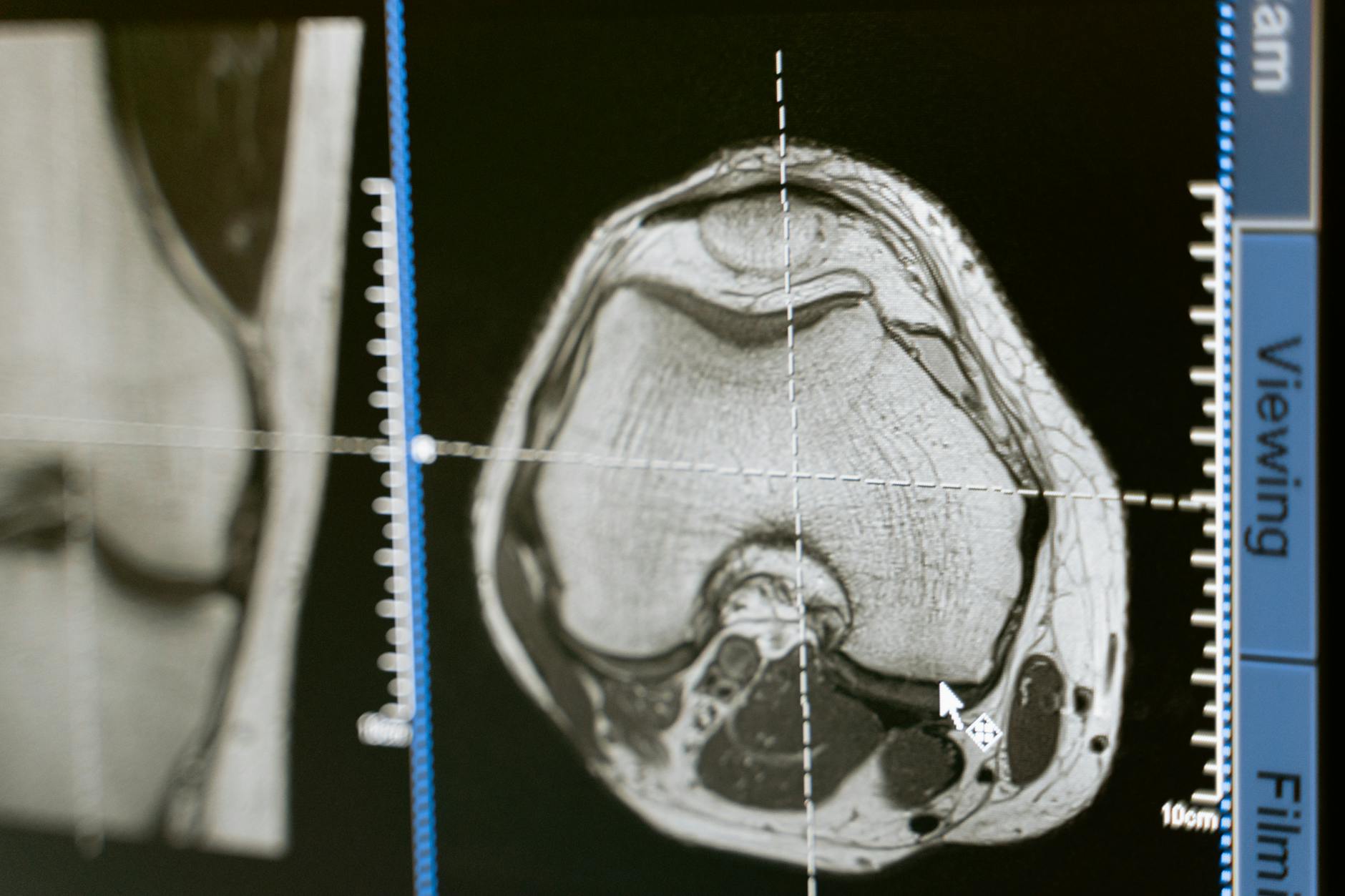
While blood biomarkers have brought accessibility improvements, advanced neuroimaging techniques like high-resolution MRI and tau PET have become more sophisticated at revealing the subtle structural changes that characterize Alzheimer’s progression. These imaging modalities can detect hippocampal atrophy, cortical thinning, and white matter changes that often accompany cognitive decline. Tau PET imaging, in particular, has proven valuable because tau pathology appears to correlate more closely with cognitive symptoms than amyloid does—a finding that has reshaped how clinicians think about disease progression. The comparison is instructive: a patient might have significant amyloid accumulation yet remain cognitively intact, but significant tau pathology in the medial temporal lobe usually accompanies cognitive changes. This distinction has shifted clinical attention toward tau as a more reliable marker of neurodegeneration.
Some major academic centers now emphasize tau PET imaging in their diagnostic protocols, particularly when trying to predict who among cognitively normal amyloid-positive individuals will progress to symptomatic disease. The limitation here is access and cost. A tau PET scan can cost several thousand dollars and requires specialized PET imaging centers with the appropriate isotope tracers. Insurance coverage varies significantly, and many patients must travel substantial distances to access these scans. In rural areas or underserved regions, tau PET may be completely unavailable, creating a two-tier diagnostic system where patients in major metropolitan areas have access to state-of-the-art detection while others rely on older diagnostic methods.
Earlier Detection Enables Earlier Intervention—But With Tradeoffs
The practical value of improved detection lies in the opportunity for earlier intervention. Aducanumab (though since withdrawn) and lecanemab have shown that monoclonal antibodies targeting amyloid can slow cognitive decline in symptomatic patients with mild cognitive impairment or mild dementia who are amyloid-positive—and earlier intervention in the asymptomatic biomarker-positive stage might be even more effective. This creates a strong rationale for identifying cognitively normal individuals with Alzheimer’s pathology. However, this benefit must be weighed against several substantial tradeoffs. First, lecanemab and similar treatments carry risks including amyloid-related imaging abnormalities (ARIA)—brain microhemorrhages or microinfarcts that occur as amyloid plaques are cleared. While these are usually asymptomatic, they can occasionally cause serious neurological events.
Treating cognitively normal individuals would expose them to these risks in the absence of definite cognitive benefit. Second, not all cognitively normal biomarker-positive individuals will progress to cognitive decline, so many would be treated unnecessarily. A 62-year-old identified as amyloid and tau positive might have decades before cognitive symptoms emerge, or might never develop them—yet would undergo years of infusions, monitoring, and risk exposure. This creates an evolving ethical and clinical landscape where identification of preclinical disease has outpaced our ability to predict who will benefit from treatment. Current guidelines generally recommend close monitoring and lifestyle modifications in cognitively normal biomarker-positive individuals, with disease-modifying treatments reserved for those with symptomatic disease. But this is a rapidly evolving area, and recommendations continue to change as evidence accumulates.
Diagnostic Challenges and Limitations Still Present in Detection
Despite significant advances, important limitations remain in Alzheimer’s detection. One substantial challenge is the distinction between Alzheimer’s pathology and other forms of neurodegeneration. Some patients have mixed pathologies—amyloid and tau alongside frontotemporal dementia pathology or Lewy body disease—and standard biomarkers don’t clearly identify these distinctions. A patient might have multiple pathological processes occurring simultaneously, requiring more detailed evaluation to understand their prognosis and treatment options. Another critical limitation: racial and ethnic disparities in both detection and disease representation.
Most biomarker research has been conducted in predominantly white populations, and recent studies have revealed that amyloid and tau biomarker cutoff values that work well in one population may not translate accurately to others. Additionally, older adults of color face systemic barriers to access to specialized memory clinics and biomarker testing, meaning many individuals at risk are never identified. A Black patient in a rural community might have no access to cognitive aging specialists, while a white patient in the same region might be referred to a major academic medical center with advanced diagnostic capabilities. This creates a diagnostic equity problem that detection advances alone cannot solve. There’s also a concerning phenomenon called “overdiagnosis” potential—the possibility that as detection becomes more sensitive, clinicians and patients might identify and treat presymptomatic pathology that never would have caused symptoms. This could lead to unnecessary anxiety, unnecessary treatment, and medicalization of normal aging in individuals who would have lived entire lives without cognitive decline.

Genetic Testing as Part of the Detection Picture
Genetic testing for Alzheimer’s risk genes has become increasingly integrated into comprehensive diagnostic approaches. APOE4 genotyping, which identifies individuals carrying the apolipoprotein E4 allele—a major genetic risk factor for late-onset Alzheimer’s—is now commonly part of the workup for patients with cognitive complaints or biomarker positivity. Other genetic investigations may examine rare mutations in APP, PSEN1, and PSEN2 genes, which cause familial early-onset Alzheimer’s disease.
However, genetic information comes with complex implications. APOE4 is associated with increased risk but is not deterministic—many APOE4 carriers live into advanced age without dementia, while some non-carriers develop Alzheimer’s. Disclosing genetic risk information can create anxiety and uncertainty without necessarily providing actionable medical guidance for asymptomatic carriers. A 45-year-old identified as APOE4 positive with no symptoms might face a lifetime of worry about potential future cognitive decline, or conversely might use this information as motivation for cardiovascular health and cognitive engagement.
The Future of Alzheimer’s Detection and Emerging Technologies
Looking forward, detection capabilities will likely continue to improve rapidly. Ongoing research into novel biomarkers—including different tau phosphorylation sites, neurofilament proteins, and neuroinflammatory markers—promises to provide even more granular insight into disease processes. Blood tests are becoming increasingly sophisticated and some research suggests multiple biomarkers measured simultaneously might predict cognitive trajectories more accurately than single markers.
Within the next few years, comprehensive blood biomarker panels that provide detailed pathological profiles may become standard care in many clinics. Artificial intelligence is also beginning to play a role in detection. Machine learning algorithms trained on imaging data are showing promise in identifying subtle patterns of brain atrophy or white matter change that human radiologists might miss, potentially allowing earlier detection of microstructural changes. Whether these tools will improve clinical outcomes when incorporated into standard care remains to be tested, but the potential for AI to enhance detection sensitivity appears real.
Conclusion
The advances in Alzheimer’s detection over the past five years represent a genuine transformation in how clinicians can identify the disease, shifting from detecting symptomatic dementia to identifying pathological changes years or decades before cognitive decline. Blood biomarkers, advanced imaging, and genetic testing now provide multiple windows into disease pathology, enabling earlier intervention and more informed clinical planning.
For many patients and families facing cognitive concerns, earlier and more accurate diagnosis brings clarity and hope for preventive strategies. Yet these detection advances also bring new challenges—including the need to interpret preclinical disease findings responsibly, address disparities in access to testing, weigh risks and benefits of early treatment in asymptomatic individuals, and resist the overtreatment of pathology that may never cause symptoms. Moving forward, the field’s focus must be not just on further improving detection, but on ensuring equitable access to testing, developing treatment strategies specifically designed for preclinical disease, and supporting patients and families through the complex decisions that come with knowing about pathological changes before symptoms appear.
Frequently Asked Questions
Can blood tests definitively diagnose Alzheimer’s disease?
Blood tests can detect biomarkers associated with Alzheimer’s pathology (amyloid and tau), but they cannot definitively diagnose symptomatic Alzheimer’s dementia without supporting clinical evidence. A positive biomarker indicates pathology is present but doesn’t specify whether someone will develop cognitive symptoms or when that might occur. Diagnosis remains a clinical determination made by a physician considering the full clinical picture.
If I have amyloid and tau pathology, will I definitely get Alzheimer’s dementia?
No. Many cognitively normal people have amyloid and tau pathology that never progresses to cognitive decline during their lifetime. Some people live to advanced age with significant pathology but maintain normal cognition. Having pathological biomarkers indicates increased risk, but doesn’t guarantee future cognitive decline.
How much do these advanced detection tests cost?
Blood biomarker tests can range from several hundred to over a thousand dollars depending on how many markers are measured and whether it’s a research test or clinical test. PET imaging typically costs $2,000-$5,000. MRI costs vary from $500-$2,000. Insurance coverage varies significantly by plan and individual circumstances, and many tests require prior authorization.
Should I get tested if I have no memory problems but a family history of Alzheimer’s?
This is a discussion to have with your primary care doctor or a cognitive neurology specialist. If you’re experiencing actual cognitive concerns, testing may be appropriate. If you’re completely asymptomatic, testing may identify preclinical pathology, but there’s no current consensus on whether asymptomatic individuals should be screened or what should be done with that information. The decision should balance your values, family history, and your doctor’s clinical judgment.
Can lifestyle changes slow Alzheimer’s if biomarkers are positive?
Yes. Cardiovascular health, cognitive engagement, quality sleep, physical activity, and social connection have all been associated with slower cognitive decline in research studies. These interventions are particularly important in early disease stages and should be pursued regardless of biomarker status, as they benefit brain health broadly.
When will there be a cure for Alzheimer’s?
There is currently no cure for Alzheimer’s disease. Current treatments like lecanemab can slow cognitive decline in early symptomatic stages but do not stop disease progression. Multiple approaches are in research and development, including additional monoclonal antibodies, tau-targeting therapies, and strategies to reduce neuroinflammation. It’s realistic to expect continued improvements in treatment options over the coming decade, but a cure remains a longer-term goal.
You Might Also Like
- Imaging Techniques Improve Alzheimer’s Diagnosis
- Therapy Targets Continue to Expand in Alzheimer’s Research
- New Treatments Continue to Emerge for Alzheimer’s Patients
For more, see CDC — Alzheimer’s and Dementia.