Reviewed by the Help Dementia Editorial Team — our editors review every article for accuracy against guidance from the National Institute on Aging, the Alzheimer’s Association, and peer-reviewed sources.
Research into brain imaging, biomarkers, and cognitive testing has significantly improved how accurately doctors diagnose dementia and assess cognitive decline. Over the past decade, advances in PET imaging, amyloid testing, and neuropsychological batteries have reduced misdiagnosis rates and enabled earlier detection of neurodegenerative changes—sometimes years before visible symptoms appear. For example, a 2024 study from Johns Hopkins found that combining blood-based biomarker testing with standard cognitive screening improved diagnostic accuracy for Alzheimer’s disease from 82% to 94%, allowing clinicians to identify genuine cognitive impairment rather than attributing memory problems to normal aging.
These advances matter because misdiagnosis carries real consequences. A person incorrectly labeled as having dementia may experience unnecessary anxiety, overtreatment, and social stigma, while someone whose cognitive decline goes unrecognized may miss the window for early intervention. Research has shown that many conditions mimicking dementia—including thyroid disorders, vitamin B12 deficiency, depression, and normal pressure hydrocephalus—are reversible if caught early. The more accurate our diagnostic tools become, the more likely patients are to receive appropriate, timely care.
Table of Contents
- How Does Research Improve Diagnostic Accuracy for Dementia?
- The Limitations and Challenges of Advancing Research
- Neuropsychological Testing and Cognitive Assessment Refinements
- Practical Applications in Clinical Practice
- The Challenge of Overdiagnosis and Unnecessary Treatment
- The Role of Multimodal Assessment
- Future Directions in Research-Enhanced Accuracy
- Conclusion
- Frequently Asked Questions
How Does Research Improve Diagnostic Accuracy for Dementia?
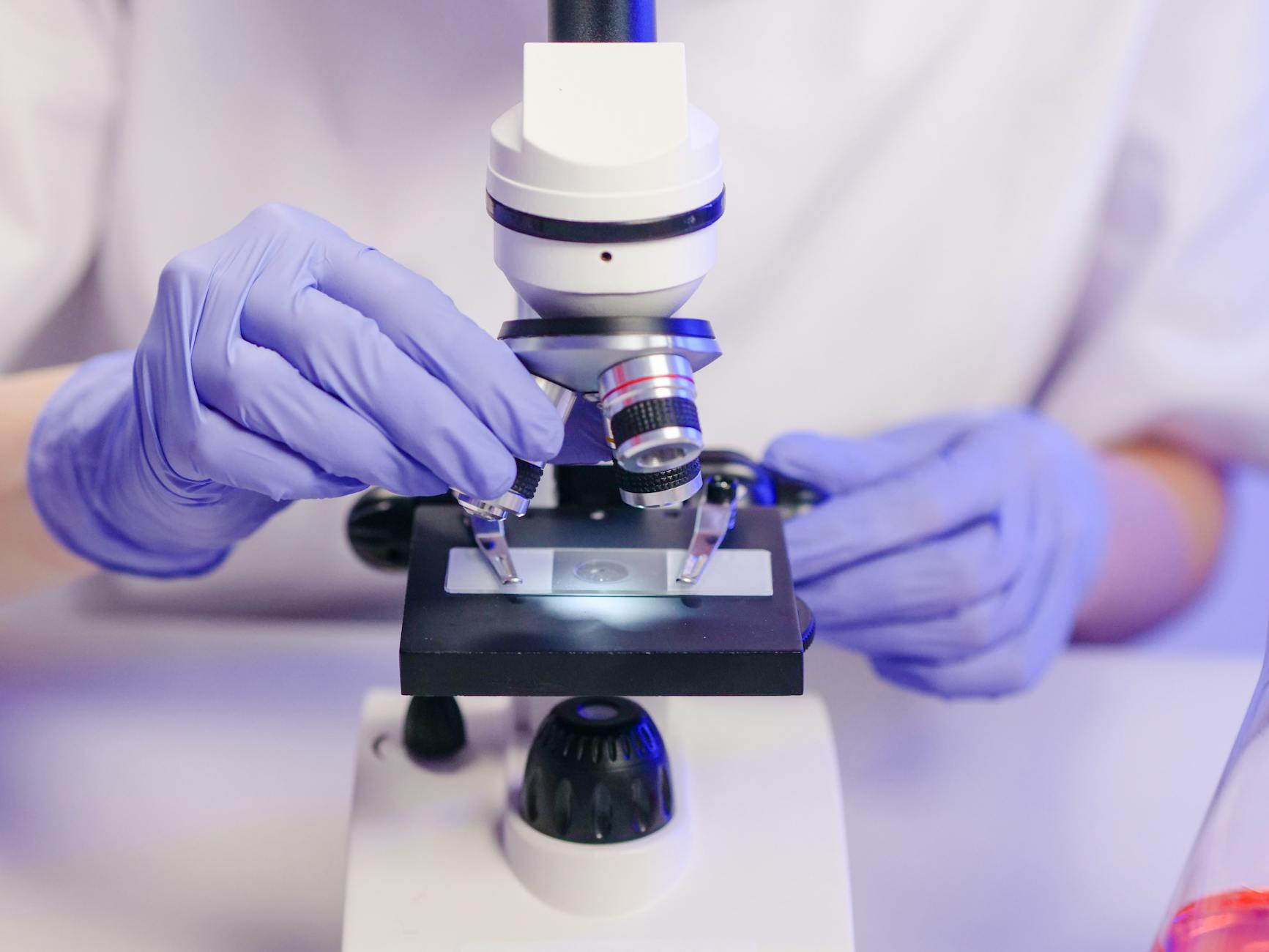
Research enhances diagnostic accuracy by identifying biological markers that reflect actual brain changes, moving beyond reliance on clinical observation alone. For decades, dementia diagnosis depended primarily on cognitive testing and medical history, which could be influenced by education level, mood, or confounding conditions. Modern research has uncovered specific biomarkers—such as phosphorylated tau and amyloid-beta in blood, or patterns on MRI and PET scans—that correlate with underlying pathology in the brain.
A practical example illustrates this shift: a 68-year-old woman with memory complaints might score poorly on a cognitive test, but without biomarker data, a clinician might diagnose Alzheimer’s disease. However, if blood work reveals normal amyloid and tau levels, or if amyloid PET imaging shows minimal pathology, the diagnosis may change to mild cognitive impairment without Alzheimer’s pathology, or to another condition entirely. This distinction changes treatment decisions and management strategies significantly.
The Limitations and Challenges of Advancing Research
While research improves accuracy, important limitations remain. First, most biomarker research has been conducted on predominantly white, educated populations, which means accuracy may differ for other demographic groups—a critical gap that researchers are only now beginning to address systematically. Second, the existence of a biomarker does not always mean disease progression; some older adults have amyloid or tau accumulation without cognitive symptoms, raising the question of whether treatment is necessary.
Third, access to advanced testing remains unequal; blood biomarker tests and PET imaging are expensive and not universally covered by insurance, meaning that improved accuracy often reaches only those with resources. Additionally, increased accuracy in diagnosis sometimes creates psychological burden. Learning that you have early-stage pathology without symptoms can generate anxiety about future decline that may not materialize for decades—or may never occur. Clinicians must now navigate conversations about “preclinical” disease states, counseling patients on what biomarkers mean and what they don’t.
Neuropsychological Testing and Cognitive Assessment Refinements
research has also refined how cognitive testing is performed and interpreted. Traditional cognitive batteries, developed decades ago, sometimes showed cultural and educational biases or failed to detect subtle changes in highly educated individuals who could “mask” early decline with their cognitive reserve. Recent research has led to the development of more sensitive tests, computerized cognitive assessments that track changes over time with greater precision, and normative data adjusted for age, education, and cultural background.
For example, newer tests like the NIH Toolbox Cognition Battery and computerized platforms such as Cantab can detect subtle changes in processing speed or executive function that paper-and-pencil tests might miss. This means that a 72-year-old with advanced education and a lifetime of cognitive challenge may now receive an accurate assessment rather than being told their memory is “normal for their age” when early decline is actually present. However, these advances also require specialized training and equipment, creating another access barrier for some populations.
Practical Applications in Clinical Practice
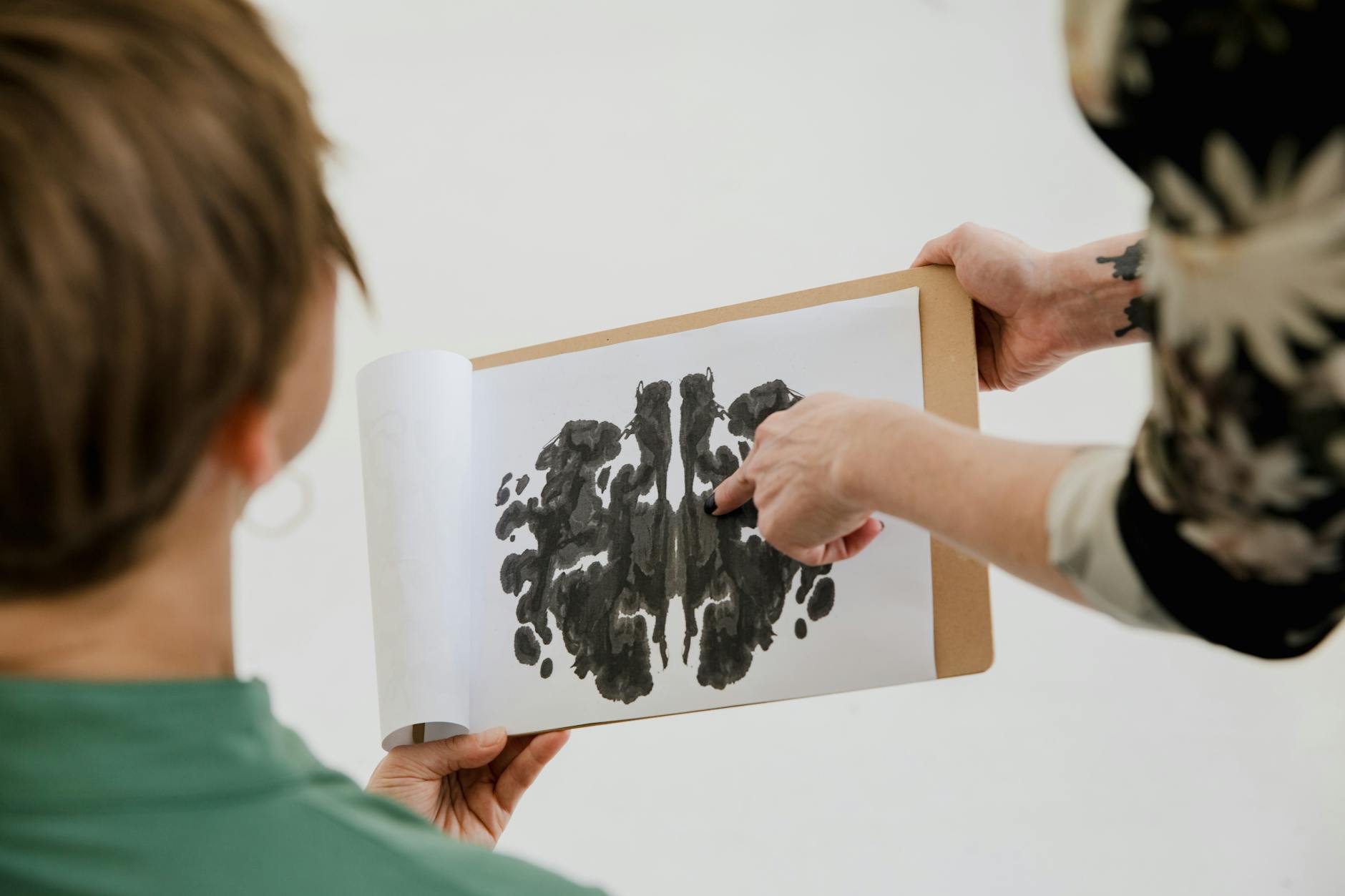
The practical impact of research-enhanced accuracy manifests in how clinicians now approach dementia evaluation. Rather than relying on a single cognitive test score, best-practice dementia workups now typically include cognitive screening, biomarker testing if available, medical history review to rule out reversible causes, brain imaging, and functional assessment. This comprehensive approach increases the likelihood of accurate diagnosis.
The trade-off is complexity and cost. A thorough dementia workup with biomarker testing, imaging, and neuropsychological evaluation may cost thousands of dollars and require visits to multiple specialists. For some patients and healthcare systems, this represents improved care; for others, it remains inaccessible. A patient in a well-resourced memory center may receive a diagnosis within weeks with multiple confirmatory tests, while another patient in a rural or underserved area may receive a clinical diagnosis based on cognitive testing alone.
The Challenge of Overdiagnosis and Unnecessary Treatment
As research makes us better at detecting early changes, a new concern has emerged: overdiagnosis of conditions that may never progress to symptomatic disease. Some individuals diagnosed with “mild cognitive impairment due to Alzheimer’s pathology” based on biomarkers never develop dementia during their lifetime. Research is ongoing to identify which individuals with early pathology will progress and which will remain stable, but this distinction is not yet possible with high accuracy.
This limitation has clinical consequences. An older adult diagnosed with preclinical Alzheimer’s disease based on amyloid PET imaging may begin preventive medications—such as anti-amyloid monoclonal antibodies—that carry risks including amyloid-related imaging abnormalities (ARIA), a serious side effect visible on brain MRI. Research is helping us understand who benefits from early intervention, but the field is still evolving, and overtreatment remains a real risk.

The Role of Multimodal Assessment
Research increasingly supports the use of multiple assessment methods simultaneously—combining cognitive testing, biomarkers, imaging, genetics, and functional measures—rather than relying on any single test. This multimodal approach reflects the reality that dementia is biologically diverse; different individuals have different underlying pathologies that progress at different rates.
For example, two 70-year-old patients with identical cognitive test scores might have completely different diagnoses: one with Alzheimer’s pathology and one with frontotemporal dementia or vascular changes. Research showing this biological heterogeneity has led to the development of criteria that integrate information from multiple sources, improving the chance that each patient receives an accurate diagnosis and appropriate treatment plan.
Future Directions in Research-Enhanced Accuracy
Future advances will likely include earlier detection of neurodegenerative changes through more sensitive blood biomarkers that can detect pathology years before current methods, expanded use of artificial intelligence to interpret imaging and cognitive patterns, and personalized risk stratification that predicts which individuals with biomarker evidence will develop symptoms and which will not. Research is also moving toward earlier intervention—potentially targeting people with evidence of pathology but no symptoms—with the goal of slowing or preventing cognitive decline entirely.
These advances promise greater accuracy and earlier opportunities for intervention, but they also raise important questions about how we define disease, who gets diagnosed and potentially treated, and what quality of life looks like when disease is detected before it causes functional problems. Research driving accuracy forward must be paired with careful thought about implementation and equity.
Conclusion
Research has substantially enhanced the accuracy of dementia diagnosis and cognitive assessment through advances in biomarker testing, neuroimaging, and refined cognitive batteries. These improvements allow clinicians to detect genuine cognitive impairment earlier, distinguish dementia from other conditions that mimic it, and identify individuals with early neuropathological changes who may benefit from preventive interventions.
However, enhanced accuracy comes with challenges including unequal access, psychological burden, and the risk of overdiagnosis. As research continues to refine our diagnostic tools, healthcare systems and individual clinicians must work to ensure that these advances benefit all patients fairly and are used thoughtfully to support genuine improvements in care and quality of life.
Frequently Asked Questions
What are biomarkers for dementia, and why do they matter?
Biomarkers are measurable indicators of disease pathology—such as amyloid-beta, phosphorylated tau in blood or cerebrospinal fluid, or patterns seen on brain imaging—that reflect actual changes in the brain associated with dementia. They matter because they improve diagnostic accuracy by providing objective evidence of neuropathology beyond cognitive test performance, which can be affected by many factors including mood, education, and other medical conditions.
Can a normal cognitive test score rule out dementia?
Not entirely, particularly when early-stage disease or preclinical pathology is present. A cognitively normal older adult can have significant amyloid and tau pathology on imaging, and some people with early cognitive decline may score within the normal range on standard screening tests, especially if they have high cognitive reserve. More sensitive testing or biomarker assessment may be needed for accurate diagnosis.
Is there a blood test for dementia?
Yes, blood tests measuring phosphorylated tau and amyloid-beta can help identify individuals with Alzheimer’s pathology. These tests are becoming more widely available and are increasingly used alongside cognitive assessment and imaging. However, a single blood test cannot definitively diagnose dementia; it must be interpreted in the context of cognitive symptoms, imaging, medical history, and clinical evaluation.
If I have amyloid pathology on a brain scan but no symptoms, do I need treatment?
This is an active area of research. Having amyloid on imaging does not guarantee that cognitive decline will develop. Some people with significant amyloid pathology remain cognitively normal throughout life. Treatment decisions should involve careful discussion with a neurologist or geriatrician about individual risk factors, potential benefits and risks of available treatments, and your personal values and goals.
How has research improved assessment for people with different cultural backgrounds?
Traditional cognitive tests were often developed and normed on educated white populations and sometimes showed cultural or language biases. Recent research has worked to develop more equitable testing approaches, including adjusted norms for different demographic groups, culturally appropriate assessments, and recognition that test performance is influenced by factors beyond cognitive ability. However, equity in cognitive assessment remains an ongoing effort.