Reminiscence conversations for one-on-one dementia care use photos, objects, music, and scents to invite talk about past life. Set them up in a quiet space at the person's best time of day, and keep safety in place by watching for distress and pausing when needed.
Reminiscence means recalling and sharing earlier experiences, often with a prompt. It is not a memory test. The aim is connection, mood, and dignity during daily care.
Medical information disclaimer: This article is for general educational purposes only and does not provide medical advice, diagnosis, or treatment. Always consult a physician or other qualified health professional about symptoms, medications, tests, or treatment decisions.
Table of Contents
- Where and when should you talk?
- What supplies help memories surface?
- How do you save what works for other caregivers?
- How do you keep the talk supportive?
- What safety limits should you respect?
Where and when should you talk?
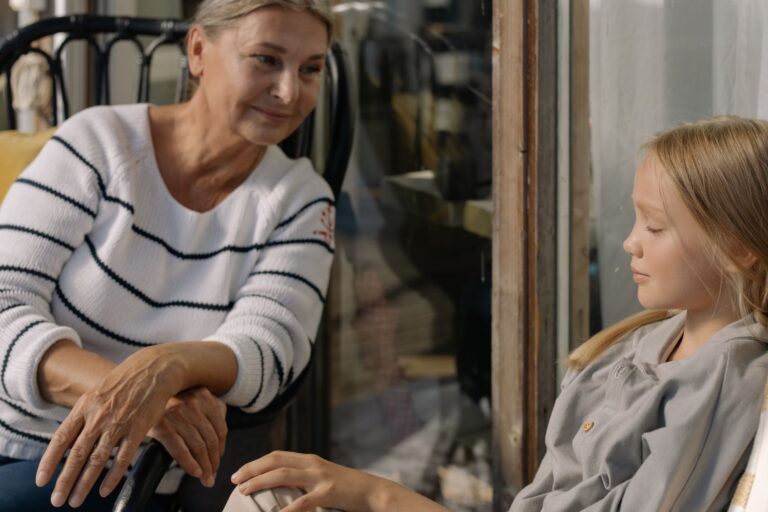
Choose a quiet room with minimal distractions. Meet at the person's best time of day, often morning. Sit close, make eye contact, and allow extra time.
Use simple short sentences. Ask one question at a time, then listen. The Alzheimer's Association advises this calm approach in its communication guidance for caregivers.
What supplies help memories surface?
Gather personal prompts linked to the person's life. The U.S.
National Institute on Aging recommends familiar items that invite touch, smell, sight, and hearing in its guide to adapting activities for Alzheimer's disease. Keep choices small. Offer one or two items, then follow interest.
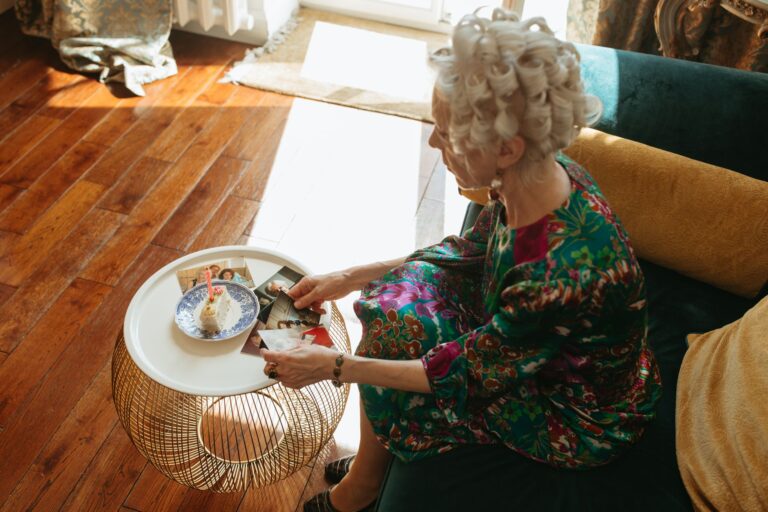
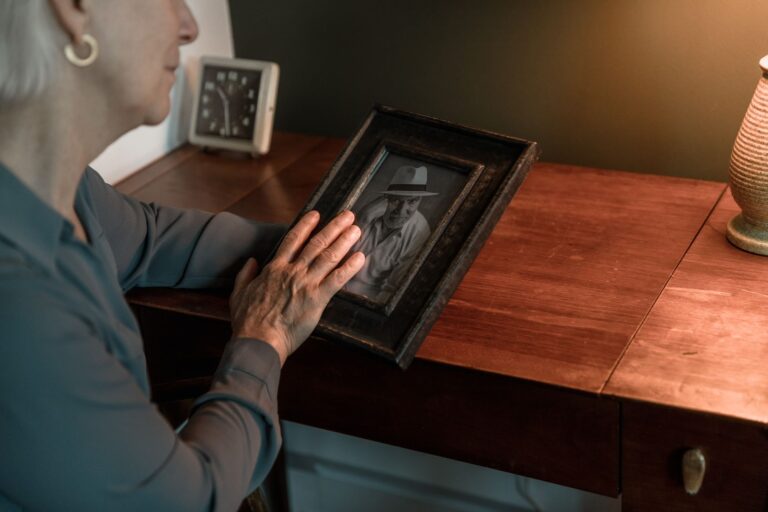
- old photos in chronological order
- familiar music and singers
- family objects, postcards, work tools, and recipes
- scents and textures, such as soap, spices, wool, or wood
How do you save what works for other caregivers?
Turn useful prompts into a life-story book, photo book, memory box, or one-page profile. Iriss describes these formats as ways to continue person-centred care. Put names, dates, likes, routines, and comforts in plain words.
Keep the set where any caregiver can find it. Bring it across home, hospital, or care-home moves. Update it when you learn what calms or pleases the person.
How do you keep the talk supportive?
Match the task to what the person can still do. Help them start, watch for frustration or boredom, and stop or adapt rather than pushing performance.
The National Institute on Aging gives this start-and-watch rule for activities. Do not correct errors, argue about facts, or ask "do you remember?" Acknowledge what was said. Respond to the feeling behind the words, then redirect gently to protect dignity, as the Alzheimer's Association recommends.
What safety limits should you respect?
Treat distress as a safety signal. Reminiscence can bring back sad or difficult memories, and the person may become upset. The Alzheimer's Society UK notes this risk in its therapy and approaches for memory loss support. Pause, offer comfort, and change course.
Avoid known trauma triggers. Effects are weaker for severe dementia, and a 2018 Cochrane review of 22 trials with 1,972 people reported in PubMed found only small inconsistent benefits, with probable slight mood benefit from individual sessions. The UK NICE guideline NG97 suggests group reminiscence for mild-to-moderate dementia, while a U.S. systematic review found no direct evidence on harms, so monitor agitation individually.