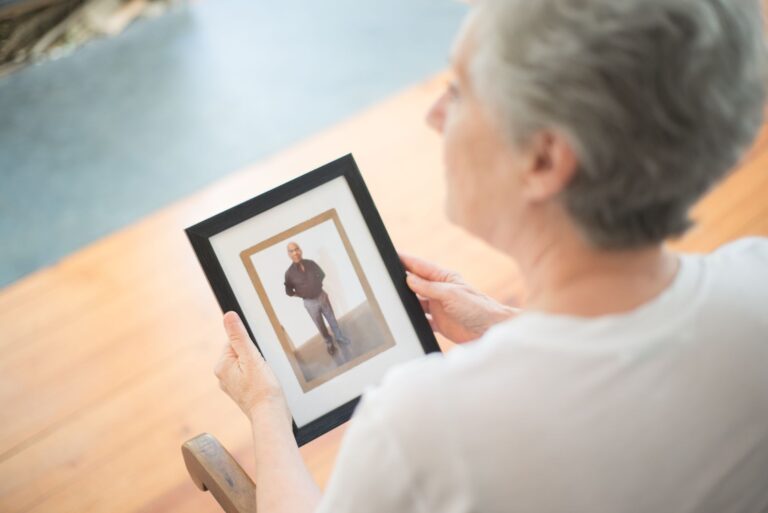
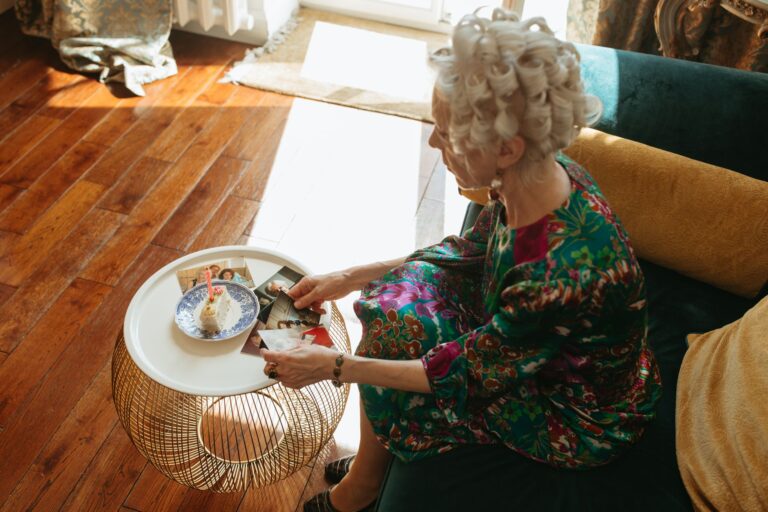
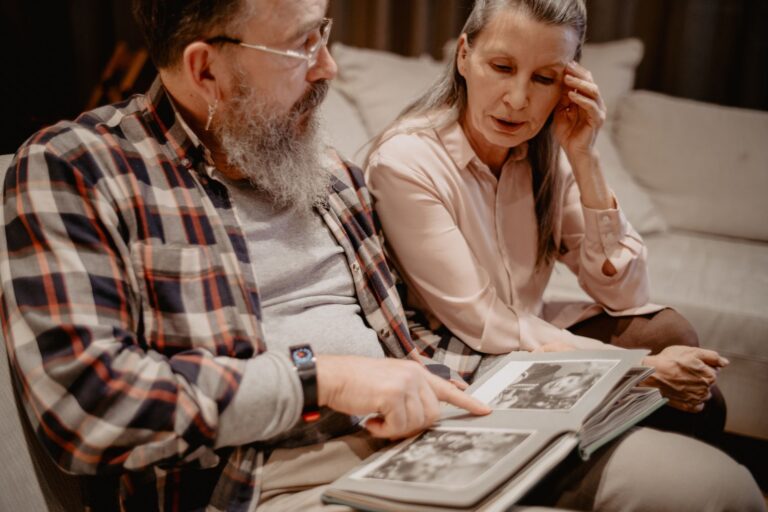
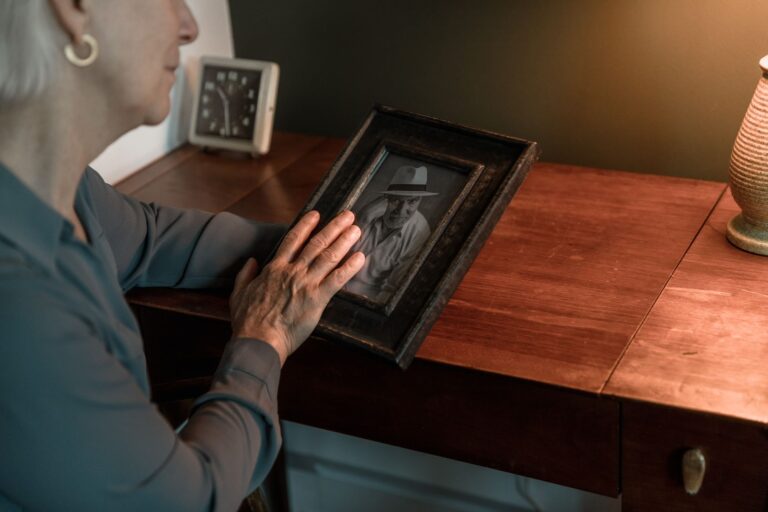
A one-on-one reminiscence conversation follows a short, repeatable routine: prepare, settle into a quiet space, offer one familiar prompt, then follow the person's lead. Reminiscence therapy means discussion of memories and past experiences with another person using tangible prompts such as photographs or music to evoke memories and stimulate conversation, according to the Cochrane review by Woods and colleagues Cochrane review by Woods and colleagues.
This approach fits a family member or care partner sitting with one person with dementia. It is not a memory test. The goal is comfort, identity, and connection in the moment.
Medical information disclaimer: This article is for general educational purposes only and does not provide medical advice, diagnosis, or treatment. Always consult a physician or other qualified health professional about symptoms, medications, tests, or treatment decisions.
Table of Contents
- How do you prepare?
- Where and how should you talk?
- What prompts and questions help?
- What can this realistically do?
- How do you keep sessions safe and steady?
How do you prepare?
Start by learning what the person loved to do, who matters most, and what brings comfort. That background supports well-being, identity, dignity, and understanding during the talk.
Gather two or three prompts tied to that history before you begin. A wedding photo, a work badge, a recipe card, or a favorite song often works better than a large box of items.
Where and how should you talk?
Meet one-on-one in a quiet space with minimal distractions. The Alzheimer's Association communication guidance recommends addressing the person by name, making eye contact, and asking one question at a time Alzheimer's Association communication guidance.
Sit at eye level and keep your pace slow. Offer one prompt, then pause. Give time for looking, touching, listening, or responding.
What prompts and questions help?
Use personal prompts such as photos, keepsakes, familiar objects, and favorite music. Touch, sights, sounds, smells, and tastes can also open other channels for connection. Invite rather than quiz, and let the person lead:.
- Show one item and say what you notice about it.
- Ask one open question, such as "What does this bring to mind?"
- Allow skipping, silence, or a change of topic.
- Do not correct dates or details; shared attention matters more than correct answers.
What can this realistically do?
The strongest evidence, 22 randomized trials with 1,972 people with dementia, found no important overall effect on quality of life, but probable slight benefits in care homes, for mood in one-to-one sessions, and for communication in groups, as summarized by Porchlight from the Cochrane review Porchlight summary of the Cochrane research. That result has limits.
Trials mostly enrolled people with mild-to-moderate dementia and used varied, often poorly described routines. Open questions may fail in advanced dementia, so recognition, music, texture, scent, and shared enjoyment may help more than recall.
How do you keep sessions safe and steady?
Keep sessions brief, predictable, and weekly for at least eight weeks. A short routine at the same time and place helps the person know what to expect.
Watch for distress during the talk. Stop or redirect if the person becomes upset, tired, or withdrawn. Record what worked, which prompts helped, and what to avoid, so future caregivers can build on it and add strong items to a life-story book, as the Porchlight guide recommends Porchlight step-by-step guide.