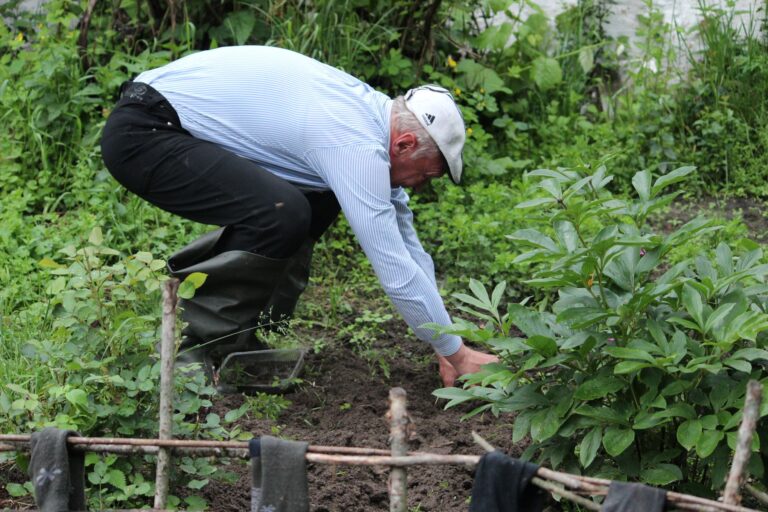
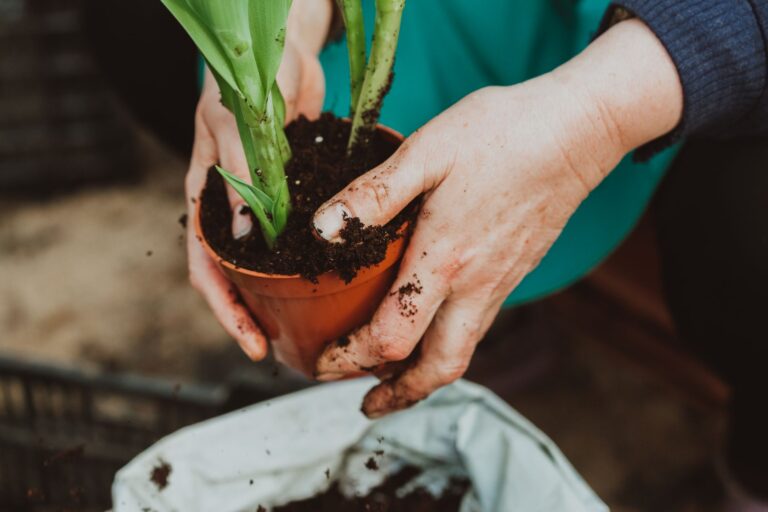
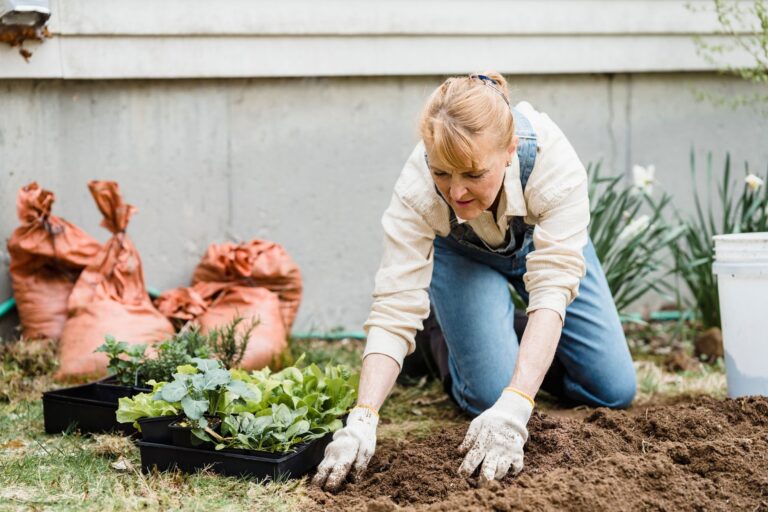
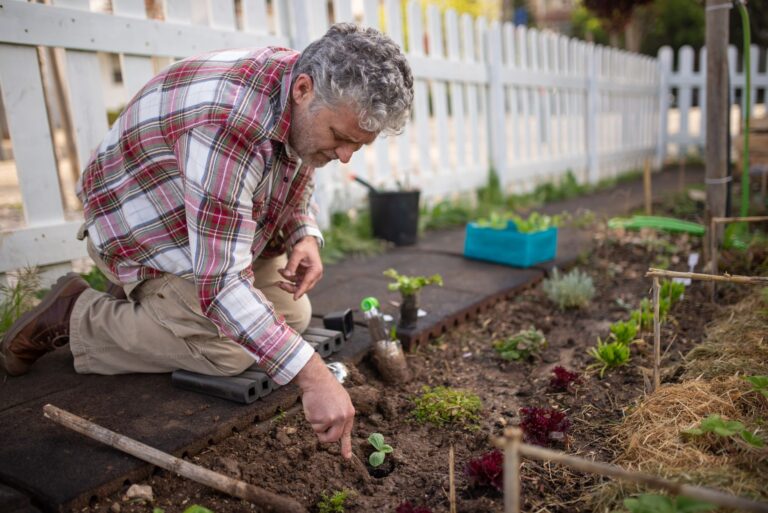
Ask if gardening fits your health, which tasks help most, and how to stay safe with mild cognitive impairment (MCI). MCI means early memory or thinking changes that still allow daily independence, and gardening can support brain health as active, hands-on time outdoors. Gardening combines light movement, planning, and sensory focus. Those demands fit well with an active routine, but they do not replace medical care or regular exercise.
Medical information disclaimer: This article is for general educational purposes only and does not provide medical advice, diagnosis, or treatment. Always consult a physician or other qualified health professional about symptoms, medications, tests, or treatment decisions.
Table of Contents
- What links gardening to sharper thinking?
- Can gardening help MCI return to normal?
- How much activity is enough?
- How can gardening stay safe with MCI?
- What should you ask at your visit?
What links gardening to sharper thinking?
Researchers have tracked gardeners for years and seen better thinking scores. In Scotland, 467 adults followed since age 11 showed greater lifetime cognitive improvement when they gardened often. In the United States, 136,748 adults age 45 and older who gardened had lower odds of reported thinking decline.
The Chinese longevity survey followed 8,676 adults with median age 86. Regular garden work linked to 28% lower dementia risk over median 4.31 years. The Nutrition Journal authors noted energy use, mood, and produce intake may explain part of the link.
Can gardening help MCI return to normal?
Alzheimer's Research & Therapy reported a 4-year Japanese study of older adults with MCI study report. Fieldwork or gardening raised odds of returning to normal thinking by about 14%. People who stopped gardening were less likely to revert.
University of Edinburgh researchers cautioned that results cannot prove gardening directly boosts cognition Edinburgh news release. Health, habits, and social life also shape thinking. Ask what change is realistic for you, not whether gardening guarantees prevention.
How much activity is enough?
The CDC advises adults 65 and older to get at least 150 minutes of moderate aerobic activity weekly CDC activity guidelines. It also advises muscle-strengthening on 2 days and balance work as abilities allow.
Gardening should supplement, not replace, that mix as abilities allow. Ask your clinician how digging, raking, carrying water, and walking between beds fit your weekly total. Ask which hard tasks need a break, a tool change, or help.
How can gardening stay safe with MCI?
The National Institute on Aging advises avoiding outdoor exertion in heat and using sunscreen, sunglasses, hat, hydration, and shade outdoor safety tips. Favor cooler morning or evening hours, raised beds, containers, or seated tasks.
Keep a simple routine in a familiar plot. Use same tool spots, step-free paths, and a phone or timer for breaks.
- Garden with another person and keep paths clear.
- Use labeled tools, sun protection, water, and shade breaks.
- Keep sessions short and rest when hot or tired.
What should you ask at your visit?
Bring health details and ask for clear limits. A short list helps the visit stay focused. Bring your task list, fall history, and heat concerns, and leave with a written gardening plan.
- Does gardening fit my heart, joints, balance, and medicines?
- Which tasks and weekly minutes should I aim for?
- What heat, sun, fall, tool, and memory-lapse plans do I need?
- When should we review thinking changes again?