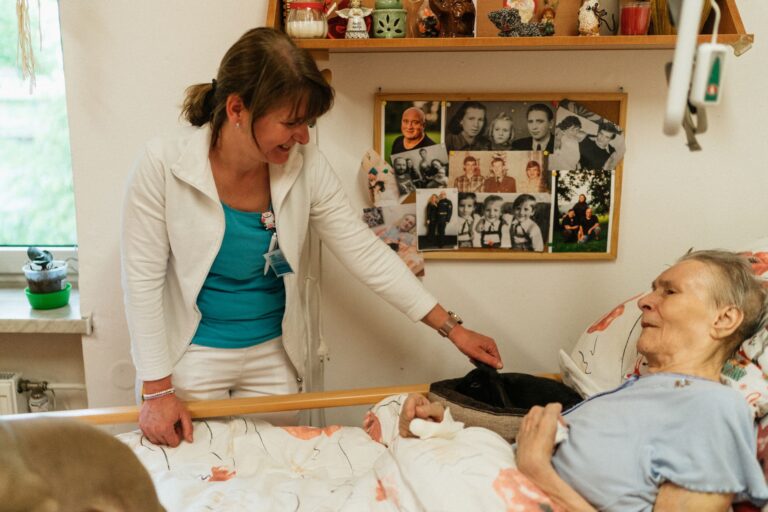
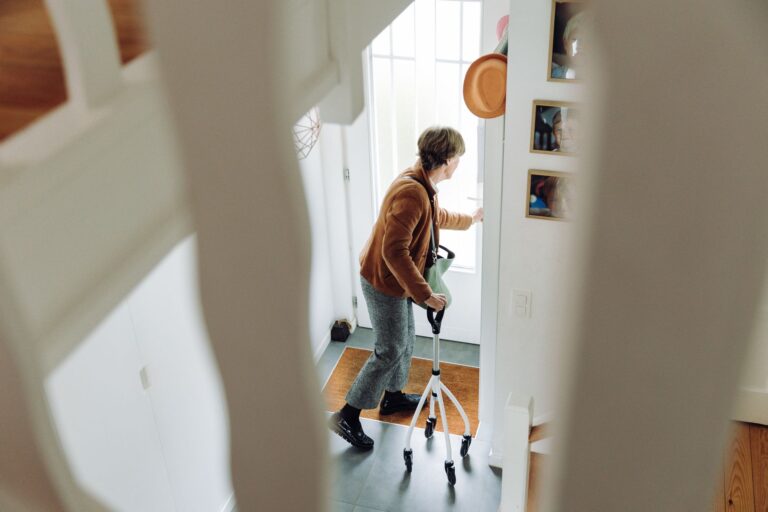
Arrange respite care for the partner with dementia if you need to attend your own hospital appointment. If your partner is the patient, prepare the hospital and a support person for their dementia-related needs. Respite care means temporary care that gives a caregiver time away while the person with dementia remains in a safe setting. The right plan depends on who has the appointment, how much help your partner needs, and how long you may be away.
Medical information disclaimer: This article is for general educational purposes only and does not provide medical advice, diagnosis, or treatment. Always consult a physician or other qualified health professional about symptoms, medications, tests, or treatment decisions.
Table of Contents
- Start with the appointment scenario
- Choose the least disruptive safe option
- Prepare the handoff before appointment day
- If your partner with dementia is the patient
- Check funding without relying on it
Start with the appointment scenario
When the caregiver is the patient, decide who will support the partner with dementia before confirming the day's logistics. The Alzheimer's Association says respite care can cover a caregiver's medical appointment and may take place at home, an adult day center, or a long-term-care community through several temporary-care arrangements.
Estimate the full period of care, including travel, registration, possible delays, and the trip home. If sedation, treatment effects, or hospital instructions could prevent you from resuming care immediately, arrange a backup person or an overnight option in advance.
Choose the least disruptive safe option
In-home care may suit someone who becomes unsettled in unfamiliar places. Possible caregivers include a trusted person, volunteer, or paid service. Adult day care may work better when the person can comfortably attend a program for several hours.
The National Institute on Aging notes that adult day programs may offer trained staff, meals, social activities, exercise, personal care, basic health services, and sometimes transportation. However, Medicare generally does not pay for adult day care, and most private insurance does not cover respite according to its caregiver guidance. Compare options by asking:.
- Can the provider meet the person's supervision and personal-care needs?
- Will the setting preserve familiar routines?
- Does the service cover the appointment's full time window?
- Is transportation included or separately arranged?
- What will happen if the appointment runs late?
Prepare the handoff before appointment day
Trial the caregiver or program before the hospital visit when possible. A short practice period can reveal whether the arrangement works and gives the person with dementia time to become familiar with the provider.
Leave one clear written handoff rather than relying on memory during a rushed departure. Include: Confirm who may make practical decisions if you cannot be reached. The Alzheimer's Association also recommends testing alternative providers before an urgent need and keeping medical contacts and an updated medication list available.
- Your contact details and an alternate contact
- The dementia patient's medical-team contacts
- A current medication list
- The expected schedule and familiar routines
- Personal-care assistance the person needs
If your partner with dementia is the patient
Bring medicines, insurance cards, advance directives, and comforting personal items. Arrange a family member, friend, or professional caregiver to help communicate the person's needs and remain part of the care team. Hospital staff may not know which routines, communication approaches, or situations reduce distress unless someone explains them.
The National Institute on Aging recommends preparing these details when taking a person with dementia to the hospital. Before leaving, ask who will accompany your partner through each stage of the visit. Make sure one person can provide the medication information, advance directives, and guidance about distress triggers when staff need them.
Check funding without relying on it
Ask the respite provider for the full cost and what payment is due before care begins. Then check insurance, local programs, and the dementia-care team, but keep a workable plan in case no funding applies.
Medicare's active GUIDE dementia-care model can reimburse participating programs up to $2,500 per eligible patient each year for in-home, adult-day-center, or facility-based respite. Access depends on patient eligibility and provider participation, so verify both directly with a participating program before counting on the benefit.