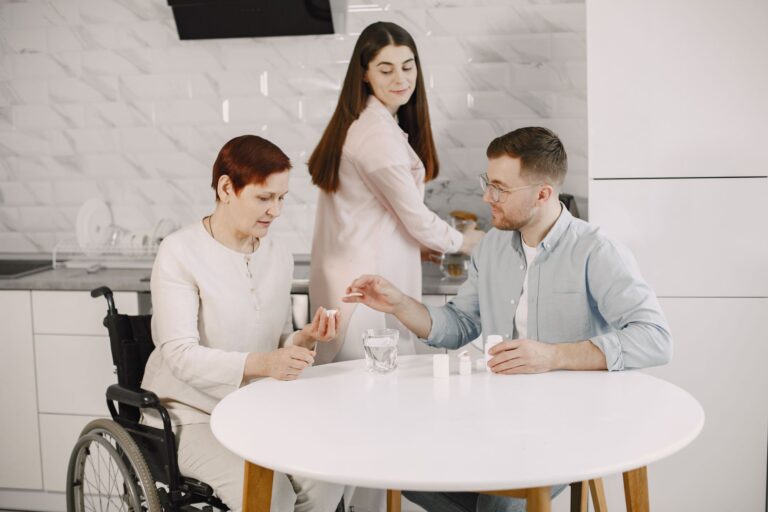
A person with dementia may refuse help from a carer they liked yesterday because they no longer recognise the carer or misread the care as threatening. The refusal often reflects fear, confusion, pain, embarrassment, or loss of control—not a deliberate change of heart. Their experience can feel completely real in the moment. A familiar carer may suddenly seem like a stranger, thief, or danger, particularly during intimate tasks such as washing, dressing, or toileting.
Medical information disclaimer: This article is for general educational purposes only and does not provide medical advice, diagnosis, or treatment. Always consult a physician or other qualified health professional about symptoms, medications, tests, or treatment decisions.
Table of Contents
- Why can acceptance change so quickly?
- What should you do in the moment?
- When does a new refusal need medical attention?
- Is the carer—or worsening dementia—to blame?
Why can acceptance change so quickly?
Dementia can disrupt recognition and the ability to interpret another person's intentions. The Alzheimer's Society explains that someone may fail to recognise a familiar person or perceive assistance as a threat, even when the carer has helped safely before in its guidance on aggressive behaviour and dementia. memory loss and confusion can also contribute to suspicious beliefs.
The person might sincerely believe that the carer should not be in the home, has taken something, or intends harm. The task itself may be the problem. Undressing, bathing, using the toilet, or being touched can expose pain, cause embarrassment, or remove a sense of control. If the person cannot explain that distress, "no," pulling away, shouting, or striking out may become their clearest form of communication.
What should you do in the moment?
Stop trying to persuade the person once distress is rising. Arguing about who the carer is or insisting that they accepted help yesterday is unlikely to resolve what they believe now. Respond to the emotion without confirming a mistaken belief.
A carer might say, "You seem worried. I'll give you some space," rather than, "Don't be ridiculous—you know me." Then reduce the immediate demand: For bathing, the Alzheimer's Association recommends preserving choice and control, using familiar support, and considering soothing music in its practical bathing guidance. A different time, setting, or approach may succeed even when the same carer was refused earlier.
- Step back and allow time for the person to settle.
- Use one short request rather than several instructions.
- Offer a simple choice, such as washing now or after breakfast.
- Protect privacy and expose only the area being washed or dressed.
- Break the task into smaller parts or postpone anything non-urgent.
When does a new refusal need medical attention?
Arrange medical assessment when refusal is sudden, markedly worse, or accompanied by an unusual change in alertness, confusion, or distress. Pain, constipation, infection, medication effects, and delirium can all produce acute behavioural changes, according to the NHS guidance on behaviour changes in dementia. Delirium is a sudden state of increased confusion that commonly develops over one or two days.
It can fluctuate sharply from hour to hour, unlike dementia's generally slower and more consistent pattern. It is an urgent medical problem. Seek medical help promptly if the person develops severe suspicious beliefs or if either the person or carer may be harmed. Give the clinician concrete details: when the change began, whether it fluctuates, which tasks trigger it, and any signs of pain, illness, constipation, or medication changes.
Is the carer—or worsening dementia—to blame?
One refusal does not show that the relationship has failed. Nor does it prove that dementia has progressed. Look first at what changed around the event: the task, timing, room, noise, wording, pace, privacy, or the person's physical comfort. A UK study involving 130 advanced-dementia caregiver dyads found that greater agitation and dependence in daily activities were associated with more refusals. It found no significant association with whether care came from family or a care home, or whether the caregiver had dementia training.
However, the study could not establish cause and did not assess pain, delirium, or the details of individual care interactions in the published research report. Keep a brief record if refusals recur. Note the carer, task, time, surroundings, words used, signs of discomfort, and what eventually helped. Patterns may show that the person accepts a wash at the sink but not a shower, prefers care later in the day, or becomes frightened when approached from behind. If suspicious beliefs are severe, non-drug approaches remain the first response. Any discussion of antipsychotic medication should include its possible benefits and its increased risks of stroke and death in older adults with dementia.