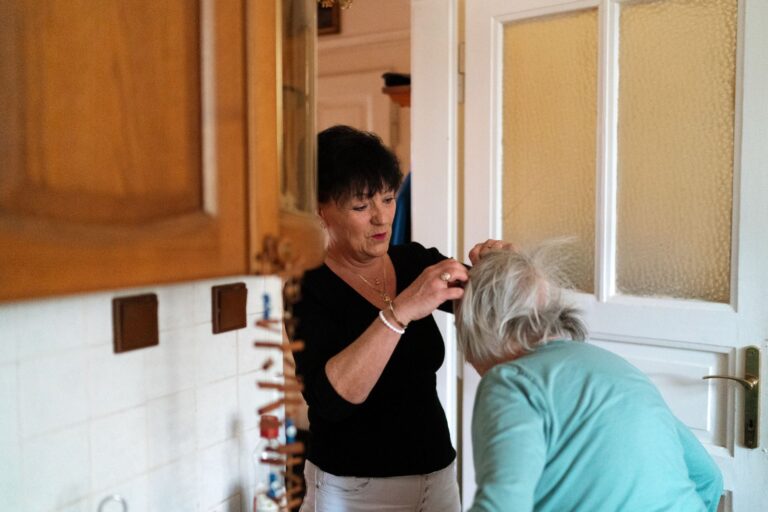
Yes, dementia care at home can cost around $120,000 per year, though this figure varies significantly based on the level of care required, your location, and the specific services you purchase. A person with moderate dementia who needs full-time in-home caregiving—whether a live-in aide or multiple caregivers throughout the day—will face substantial costs for labor alone, plus additional expenses for medical equipment, medications, home modifications, and care coordination. For example, hiring a full-time caregiver at prevailing wage rates in many U.S.
markets can easily run $50,000 to $80,000 annually, and when you add nursing visits, therapies, adult day programs, and home safety modifications, reaching the $120,000 range becomes realistic for families managing advanced dementia at home. The actual cost you pay depends heavily on whether you hire privately, use an agency, combine family caregiving with paid services, or qualify for government assistance programs. A spouse or adult child providing unpaid care reduces direct expenses but introduces hidden costs in lost income, emotional strain, and burnout. Understanding these expenses early—ideally before a dementia diagnosis becomes severe—allows families to plan realistically, explore funding sources, and make informed decisions about care settings.
Table of Contents
- What Drives the High Cost of Home-Based Dementia Care?
- Breaking Down the Major Expense Categories
- The Role of Professional Caregiving in Total Expenses
- Insurance, Medicare, and Coverage Options for Home Care
- Hidden Costs and Financial Risks You Should Anticipate
- Planning and Financial Strategy Options
- Recognizing When Home Care Becomes Unaffordable or Unsustainable
- Frequently Asked Questions
What Drives the High Cost of Home-Based Dementia Care?
The $120,000 annual figure reflects several converging cost pressures specific to dementia care. Unlike assistance with general aging or mobility issues, dementia care demands continuous supervision due to safety risks: a person with advanced dementia may wander, forget to eat, take medications incorrectly, or leave the stove on. This supervision requirement means caregiving cannot be intermittent; it typically demands full-time presence or multiple overlapping shifts. Additionally, dementia care often requires specialized training—recognizing behavioral changes, managing agitation, responding to sundowning, and adapting communication as cognition declines. Caregivers and facilities that provide this training command higher wages than general home health aides.
Medical complexity adds another layer. Many people with dementia develop secondary conditions—incontinence, difficulty swallowing, behavioral psychiatric symptoms, wandering—that require professional assessment and ongoing management. A family might hire a caregiver, but also need periodic nursing visits to manage medications, monitor for infections, or adjust care plans. These professional visits are billed separately and accumulate quickly. Geographic location intensely affects cost; urban areas and regions with high cost of living see caregiver wages, rent, and service fees that can push annual expenses well above $120,000, while rural areas may be somewhat lower but often lack service availability entirely.
Breaking Down the Major Expense Categories
The most significant portion of home dementia care costs—often 50 to 70 percent—goes to labor: paying caregivers or aides. If you hire through a private agency, you pay an agency fee plus the caregiver’s wage, and the agency markup can be 30 to 40 percent. If you hire directly, you become an employer, responsible for payroll taxes, workers’ compensation insurance, and potentially background checks; this is cheaper per hour but adds administrative complexity and liability risk. For a person needing 24-hour supervision with two caregivers working 12-hour shifts, even at a modest $20 to $25 per hour, the annual labor cost alone reaches $70,000 to $90,000 before taxes and benefits. The remaining costs spread across several categories: in-home medical services (nursing, physical therapy, occupational therapy), medications and supplements, medical equipment and supplies (incontinence products, mobility aids, hospital bed), home modifications (grab bars, ramps, bathroom safety equipment), adult day programs, and care management or social work consultation.
A person using incontinence products alone might spend $200 to $300 monthly. Home modifications—widening doorways, installing a walk-in shower, adding grab bars—can cost $5,000 to $15,000 upfront. Some families also budget for respite care, which allows primary family caregivers a break but adds another layer of expense. One limitation families often underestimate: as dementia progresses and needs intensify, costs tend to rise, not stabilize. What works at $80,000 annually for moderate dementia may prove insufficient at advanced stages.
The Role of Professional Caregiving in Total Expenses
Hiring caregivers is the largest but also most flexible cost component. You can adjust hours based on need—perhaps hiring for 8 hours daily initially, then moving to 12-hour shifts or 24-hour coverage as the person’s confusion and safety risks increase. A live-in caregiver costs less per hour than multiple shift workers but creates different challenges: they need a private space, food, and consistent presence; burnout and turnover remain high in this role. Through an agency, expect to pay $25 to $45 per hour depending on location and caregiver qualifications; hiring directly might cost $18 to $30 per hour but shifts employer liability to you.
The distinction between a caregiver and a nurse matters for cost and scope. Caregivers or aides provide personal care—bathing, dressing, toileting, meal preparation, medication reminders—but cannot administer injections or manage complex medical needs. If a person with dementia also has diabetes, heart disease, or other conditions requiring skilled nursing, you need periodic RN visits, which cost $100 to $300 per visit in many markets. Some families compromise by hiring a caregiver and supplementing with part-time nursing, rather than paying for full-time skilled care. The trade-off is that the caregiver must recognize warning signs and know when to call the nurse—a responsibility that demands some training and ongoing family oversight.
Insurance, Medicare, and Coverage Options for Home Care
Medicare covers limited home health services: skilled nursing or therapy if you meet specific eligibility criteria (homebound status, physician order, need for skilled care), but does not cover custodial care—the daily help with bathing, dressing, and meals that dominates dementia care costs. Once skilled needs resolve, Medicare coverage typically ends. Medicaid, the means-tested program for lower-income individuals, can cover home and community-based services in many states, but eligibility varies widely. Some states offer robust Medicaid waiver programs that fund in-home caregiving for people with dementia; others have long waiting lists or narrow eligibility. Private long-term care insurance, if purchased years before dementia develops, can help offset costs, but premiums are expensive and benefits often have daily maximums or limited duration.
Many families find they pay most home care costs out-of-pocket. Veterans and their spouses may qualify for Aid and Attendance benefits from the VA, which provides a monthly payment toward long-term care costs, including in-home services. Adult children sometimes use employer-sponsored dependent care accounts or flexible spending accounts to pay for elder care, but these have annual caps. The reality for most families is a patchwork approach: Medicare covers any qualifying skilled services, Medicaid covers custodial care if eligible, and family savings or home equity covers the remainder. A comparison: a person with moderate dementia who qualifies for full Medicaid coverage of in-home services pays nothing directly; the same person earning too much for Medicaid but lacking long-term care insurance pays the full $120,000 or more from family resources or by spending down assets.
Hidden Costs and Financial Risks You Should Anticipate
Beyond the direct costs of caregiving and services, families encounter unexpected expenses: if a primary caregiver (usually an adult child) leaves employment to provide care, the household loses that income—often $40,000 to $100,000 annually depending on career stage. This forgone income is an opportunity cost that doesn’t appear on an invoice but devastates long-term finances. Home repairs accumulate when dementia care dominates family resources; a roof leak or plumbing issue gets deferred, then compounds. Medical costs can spike unpredictably: a hospitalization for pneumonia, a urinary tract infection, or a medication adjustment may require temporary nursing or caregiver intensity that drains reserves. Legal and financial fees are often overlooked.
Setting up powers of attorney, healthcare proxies, or conservatorships costs $1,000 to $5,000. If estate or tax questions arise, accountant or attorney fees accumulate. Some families hire geriatric care managers—professionals who coordinate services, advocate with providers, and monitor the person’s wellbeing—at $100 to $200 per hour for ongoing consultation. A critical warning: fraud and financial exploitation target dementia families. Scams, unscrupulous service providers, or even dishonest caregivers can extract thousands. Putting strong financial safeguards in place early—separate accounts, POA limitations, regular audits—protects against this risk but requires upfront effort and sometimes professional help.
Planning and Financial Strategy Options
Families who learn about dementia care costs before they need care have options unavailable to those in crisis. Long-term care insurance, purchased in your 50s or early 60s, is cheaper than policies purchased later and covers more generous benefits. Some people fund Health Savings Accounts over many years, creating a tax-advantaged reserve for elder care if they develop chronic conditions. Downsizing the family home and relocating to a lower-cost area reduces housing costs and frees equity to pay for care. Some families explore moving to states with more robust Medicaid home care coverage or lower costs of living.
One concrete example: a person who sells a home worth $600,000 in a high-cost market and buys a $300,000 home in a lower-cost region frees $300,000 for care expenses and also reduces ongoing property taxes, utilities, and maintenance. That capital can fund several years of home care without spending down to Medicaid eligibility thresholds. Alternatively, some families choose a continuing care retirement community (where costs are known upfront) over aging in place, if the person is diagnosed early enough. The key limitation of all planning strategies: dementia’s progression is unpredictable. A plan based on moderate dementia lasting five years may fail if someone declines rapidly or lives much longer, and flexibility matters more than rigid adherence to a budget.
Recognizing When Home Care Becomes Unaffordable or Unsustainable
Not every family can or should provide care at home at the $120,000 level. If dementia progresses to late stage—where the person is largely non-communicative, unable to eat normally, and requires 24-hour intensive supervision—the care intensity may exceed what a private caregiver or family can reasonably provide without specialized equipment and nursing support. An adult care home or assisted living facility designed specifically for dementia might cost $80,000 to $150,000 annually, similar to or more than home care, but the care is integrated: staff are trained in dementia management, medical supervision is onsite, safety systems are built in, and family burden decreases dramatically. The tradeoff is loss of home and familiarity, though some facilities now emphasize homelike environments.
Some families run out of money or energy before dementia ends. When that happens, transitioning to facility care or accessing Medicaid coverage (which may require spending down to poverty thresholds first) becomes necessary. Understanding your financial and emotional limits ahead of time—through conversations with financial advisors, elder law attorneys, and family members—helps prevent crises where decisions are made in desperation rather than choice. The $120,000 annual estimate is real for many people with dementia at home, but it is also a planning anchor, not an immovable requirement; thoughtful families often find ways to provide good care at lower costs through careful combinations of family involvement, public benefits, and selective paid services.
- —
Frequently Asked Questions
Does Medicare cover in-home dementia care?
Medicare covers skilled nursing and therapy if homebound with a physician order, but not custodial care—bathing, dressing, meals—which is most of dementia expenses. Coverage typically ends once skilled needs resolve.
Can Medicaid help pay for home care?
Medicaid covers in-home services in many states, but eligibility and benefits vary widely. Long waiting lists exist in some states, and you must meet income and asset thresholds. Check your state’s specific waiver programs.
How much does hiring a private caregiver cost?
Private caregivers typically cost $18 to $30 per hour when hired directly; agencies charge $25 to $45 per hour. Full-time 24-hour coverage can run $50,000 to $90,000 annually before taxes and insurance.
What’s included in the $120,000 estimate?
The $120,000 primarily covers caregiver wages (50–70%), plus medical services, medications, equipment, incontinence products, home modifications, and sometimes adult day programs or respite care.
Is in-home care cheaper than assisted living?
Not necessarily. High-quality assisted living or memory care costs $80,000 to $150,000 annually—often the same or more than home care—but includes integrated staffing, medical oversight, and reduced family burden.
What hidden costs should we budget for?
Forgone income if a family member leaves work, legal/financial fees, home repairs, unexpected medical spikes, care manager fees, and caregiver training or background checks add up beyond basic caregiving costs.