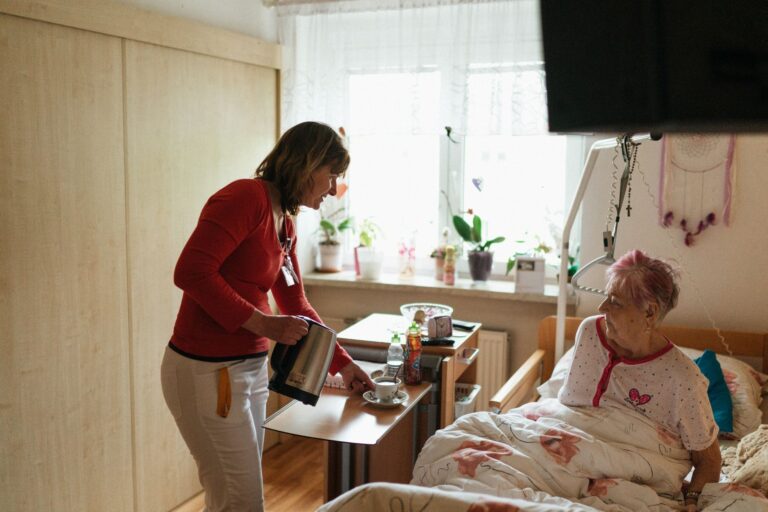
Memory care staffing ratios represent the proportion of staff members to residents in a memory care unit, typically expressed as one caregiver per X residents. There is no federally mandated staffing ratio for memory care facilities in the United States, which means standards vary significantly by state and even between individual facilities. A facility might operate with a 1:8 ratio during day shifts—meaning one direct caregiver for every eight residents—while maintaining a much lower ratio, such as 1:15 or 1:20, during nights when fewer staff are typically available.
These ratios matter because they directly affect the quality and responsiveness of care. A memory care resident who becomes agitated, wanders, or experiences a medical crisis requires immediate attention, and facilities with higher staffing can respond faster. A facility in Wisconsin, for example, may be required to maintain different ratios than one in Florida, creating confusion for families who move between states or compare care options across different regions.
Table of Contents
- WHAT DO MEMORY CARE STAFFING RATIOS ACTUALLY MEASURE?
- STATE REGULATIONS AND THE ABSENCE OF FEDERAL STANDARDS
- HOW STAFFING RATIOS CONNECT TO RESIDENT SAFETY AND QUALITY
- EVALUATING STAFFING ADEQUACY WHEN CHOOSING A FACILITY
- STAFFING TURNOVER, BURNOUT, AND CARE CONSISTENCY
- NIGHT SHIFT REALITIES AND EMERGENCY RESPONSE
- UNDERSTANDING ACTUAL VS. ADVERTISED STAFFING NUMBERS
- Frequently Asked Questions
WHAT DO MEMORY CARE STAFFING RATIOS ACTUALLY MEASURE?
Staffing ratios count only direct caregiving staff—nurses and nursing assistants—and do not include administrative staff, dietary workers, or maintenance personnel. This is an important distinction because a facility might employ 50 people total but only 12 direct caregivers serving 96 residents, resulting in a 1:8 ratio that reflects only the people actually providing hands-on care. Some facilities blur this line in marketing materials, listing all employees to suggest better staffing than they actually provide for direct care.
The ratio also depends on the time of day and day of the week. Most facilities maintain higher ratios during business hours (typically 7 AM to 5 PM) when residents are most active and require more supervision. Night shifts and weekends typically operate with fewer staff per resident, which is standard industry practice but creates periods of reduced responsiveness. A resident who falls at 11 PM might wait longer for assistance than one who falls at 2 PM.
STATE REGULATIONS AND THE ABSENCE OF FEDERAL STANDARDS
The lack of a national staffing standard creates a regulatory patchwork. Some states set minimum ratios—Texas requires facilities to have at least one nurse on site 24/7 and specifies minimum aide ratios—while others impose no specific ratio requirements at all. This means a memory care unit in one state could legally operate with fewer caregivers per resident than a facility 100 miles away across the state line.
The absence of federal standards is a significant limitation for families. Medicare and Medicaid set funding reimbursement rates, but these often fall below the cost of maintaining optimal staffing levels, creating financial pressure on facilities to operate with lower ratios than may be ideal. Some states have tried to address this through licensing requirements, but enforcement varies, and violations often result in fines rather than operational changes. A facility might face a $5,000 penalty for chronic understaffing but continue operating because the cost is less than hiring additional caregivers.
HOW STAFFING RATIOS CONNECT TO RESIDENT SAFETY AND QUALITY
Research consistently links higher staffing ratios to fewer incidents of neglect, falls, and behavioral crises. Residents with adequate supervision and attention to their needs experience fewer wandering incidents and responsive care when they become confused or distressed. A facility with a 1:6 ratio can provide more frequent toileting assistance, medication reminders, and emotional reassurance than one operating at 1:12. However, higher ratios alone do not guarantee quality.
Staff training, retention, and pay also critically affect care. A well-trained caregiver earning $32,000 per year with low turnover may provide better care in a 1:10 ratio than an undertrained, rapidly rotating staff member in a 1:6 ratio. Staff shortages and burnout lead to callous care and medication errors, even when ratios appear adequate on paper. A facility might advertise a 1:8 ratio but experience 60% annual staff turnover, meaning most residents spend significant time with new, unfamiliar caregivers still learning the job.
EVALUATING STAFFING ADEQUACY WHEN CHOOSING A FACILITY
When visiting a memory care facility, ask directly about staff-to-resident ratios during all shifts, including nights and weekends. Request documentation, not just verbal assurances. Ask how the facility handles surge events—if multiple residents become ill or agitated simultaneously, how does the facility maintain safe ratios? Some facilities hire per-diem or agency staff to cover gaps, which can disrupt continuity of care and introduce staff unfamiliar with individual residents’ needs. Compare staffing costs against care quality indicators.
A facility charging $4,500 per month with lower staffing costs may seem economical, while one charging $6,500 with higher staffing and lower resident incident rates might represent better value. Speak with family members of current residents, not just facility marketing staff. Ask how quickly staff respond to call buttons, whether residents get help at night, and whether there are consistent faces among the caregivers. These qualitative observations matter more than the ratio number alone because they reflect how staffing translates into actual daily experience.
STAFFING TURNOVER, BURNOUT, AND CARE CONSISTENCY
Memory care is physically and emotionally demanding work. Staff members are exposed to behavioral challenges, repetitive physical tasks, low wages, and limited career advancement. The national average turnover rate for direct care workers in assisted living and memory care facilities exceeds 45% annually, meaning facilities cannot maintain continuity even when ratios look acceptable on paper. A resident who spends three months bonding with Caregiver Maria may find her gone when the facility rehires, starting the relationship-building process with a stranger.
High turnover creates additional problems beyond relationship loss. New staff members require training and make more errors. Experienced caregivers leave because they feel unsupported, burned out, or underpaid, and their departure means residents lose people who understood their preferences and behavioral patterns. A facility with high turnover may maintain a 1:8 ratio numerically but function with less actual care capacity than a well-staffed facility with 30% turnover and long-tenure caregivers who work efficiently and know residents intimately.
NIGHT SHIFT REALITIES AND EMERGENCY RESPONSE
Night staffing in memory care typically operates at lower ratios than day shifts, sometimes 1:15 or 1:20 or even lower in smaller facilities. This is standard because many residents sleep, but it creates vulnerability during emergencies. A resident experiencing a medical event, severe behavioral crisis, or fall at 2 AM may wait longer for help than during the day simply because fewer staff are available.
Some facilities mitigate this through monitoring systems or bed alarms, but technology cannot replace human presence. A facility should have at least one RN on call 24/7 and clear protocols for escalating emergencies, even if direct care staff ratios drop at night. Ask specifically about night coverage during facility tours. A facility with no on-site medical staff during nights and only per-diem aides covering 40+ residents is operating at a level that creates unacceptable risk for residents with acute medical needs or behavioral crises.
UNDERSTANDING ACTUAL VS. ADVERTISED STAFFING NUMBERS
Facilities sometimes report staffing numbers that include roles beyond direct care, inflating the apparent ratio. A facility advertising “1 staff member per 3 residents” might count activities coordinators, housekeeping staff, and office personnel, when the actual caregiving ratio is 1:10. Request a breakdown that specifies only licensed nurses and nursing assistants, the roles that provide direct personal care, medication management, and supervision.
Request current staff rosters or at minimum, ask how long the facility’s current caregiving staff have been employed. If the roster shows mostly new hires in their first 6 months, ask why. High turnover suggests underlying problems with working conditions, pay, or management that may not be apparent during a tour. A facility where caregivers stay 3+ years has solved staffing stability in a way that directly benefits residents, regardless of whether the ratio appears particularly high numerically.
- —
Frequently Asked Questions
Is there a federal minimum staffing ratio requirement for memory care?
No. The United States has no federally mandated staffing ratio for memory care facilities. Some states set minimums, but requirements vary widely, and many states have no specific ratio standards at all.
What is a typical day shift staffing ratio in memory care?
Many facilities operate with 1:8 to 1:10 ratios during day shifts, though this varies by state regulation and facility resources. Night shifts often drop to 1:15 or lower.
Why does staffing turnover matter if the ratio looks adequate?
High turnover disrupts continuity of care and means residents spend time with unfamiliar staff still learning their preferences and needs. Experienced caregivers who stay longer provide more effective care even with identical ratio numbers.
How can I verify a facility’s actual staffing ratio?
Ask for documentation of licensed nurses and nursing assistants only—not administrative or support staff. Request specific numbers for day, evening, and night shifts. Speak with current residents’ families about their actual experience.
Should I only consider facilities with the highest staffing ratios?
Not necessarily. A facility with a 1:6 ratio but 60% annual turnover may provide less continuous care than a facility with 1:10 ratio and long-tenured staff. Consider both the numbers and the consistency.
What should I ask about night and weekend staffing?
Ask whether an RN is on call 24/7, what the night-shift ratio is, how quickly staff respond to emergencies, and whether facilities use per-diem or agency staff to cover gaps. —