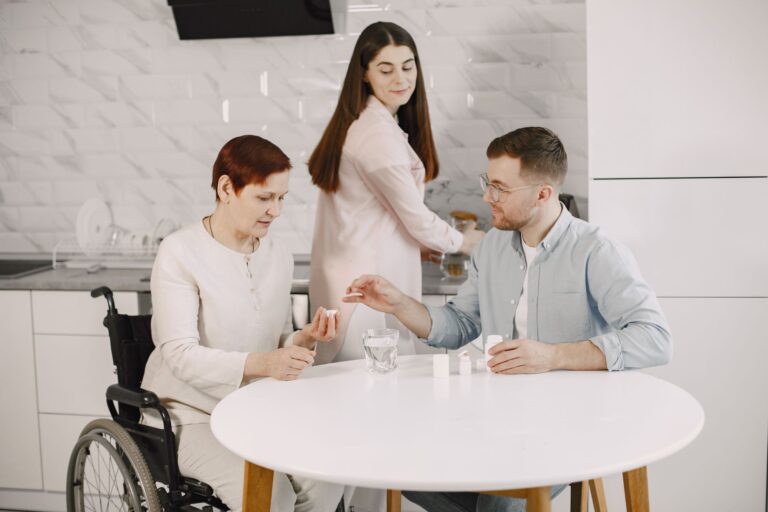
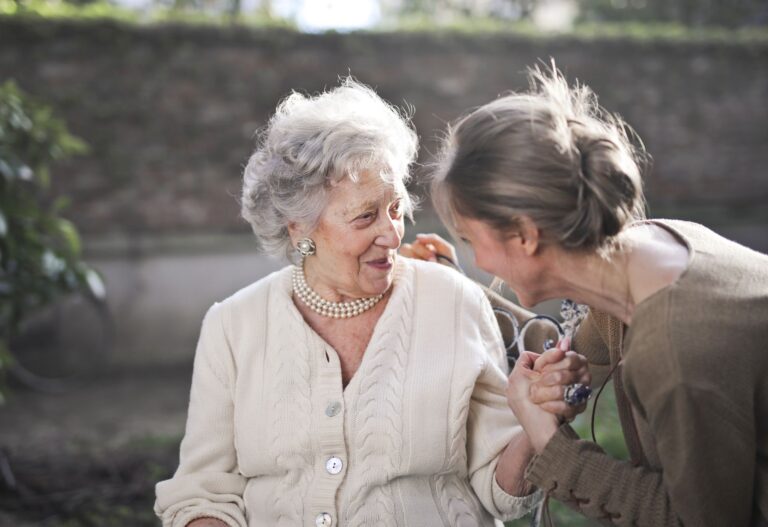
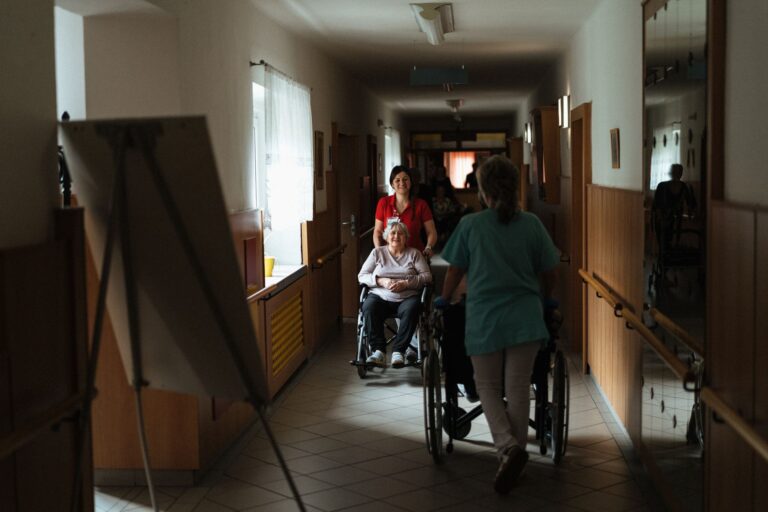
Meaningful memory care activities are structured programs that engage people with dementia in purposeful, enjoyable experiences tailored to their remaining abilities and interests, rather than generic busywork or passive entertainment. Good programming starts with understanding that a person with dementia can no longer enjoy a crossword puzzle by itself, but can absolutely enjoy sorting buttons by color, arranging flowers in a vase, or listening to music from their era while someone sits nearby.
The difference lies in designing activities around what the person can do now, not what they once did. What makes an activity meaningful versus just something to fill time comes down to several concrete elements: it should evoke positive emotion or memory, suit the person’s current cognitive and physical abilities, provide sensory engagement, and ideally involve some form of gentle social connection. A person in mid-stage dementia might not complete a task—like baking cookies or sorting photographs—but the process of participation, the familiar scents, the feeling of being helpful, and the presence of another person creates value that the end product never could.
Table of Contents
- Why Standard Entertainment Doesn’t Work for People with Dementia
- The Role of Sensory and Tactile Engagement in Programming
- The Importance of Personalization and Biographical Connection
- Structuring the Day Around Meaningful Activities
- The Risk of Overstimulation and Mismatched Difficulty
- Music, Nature, and Reminiscence as Core Activities
- Measuring Success Beyond Task Completion
- Frequently Asked Questions
Why Standard Entertainment Doesn’t Work for People with Dementia
Most passive activities—television, movies, or even reading—assume a person can follow a continuous narrative or sustain attention over 90 minutes. someone with dementia typically cannot. They may watch a scene, forget what came before it, watch the same scene again, and feel confused or distressed by the apparent repetition. A 30-minute documentary designed for the general public will lose most people with moderate dementia within five minutes, leaving them frustrated rather than engaged.
The problem runs deeper than just attention span. Someone with dementia has lost access to the cognitive skills that make traditional entertainment rewarding: following plot, understanding humor based on context, remembering character development, or sitting still for an extended period without physical discomfort. They still have intact emotional responses, sensory awareness, and long-term memories from their youth—sometimes preserved in surprising detail. A meaningful activity uses what remains, not what’s gone. A person who cannot tell you the plot of a movie might still cry at a song they heard on their wedding day, or light up when given a basket of laundry to fold, because folding laundry was part of their identity for 50 years.
The Role of Sensory and Tactile Engagement in Programming
Activities that involve touch, smell, sight, and sometimes taste create multiple entry points for engagement, especially when a person’s verbal abilities are declining. Folding soft blankets, handling garden soil, arranging flowers, kneading dough, or sorting objects by texture all provide tactile feedback that is intrinsically soothing and grounding. The brain regions responsible for emotional response and long-term sensory memory are often the last to be significantly affected by dementia, which is why these modalities often succeed when words alone fail. A significant limitation of sensory activities is that they require preparation, supervision, and a degree of mess tolerance that not all care settings accommodate.
A facility focused purely on efficiency will hesitate to set up a bird-seed-sorting station because cleanup takes time, or to offer gardening because dirt gets tracked. Yet research consistently shows that sensory-rich activities produce fewer behavioral issues, better mood, and fewer requests for sedating medication. The tradeoff between tidiness and genuine engagement is real, and it is often resolved in favor of tidiness in under-resourced settings. A program built around meaningful activities requires accepting that flour dust, water spillage, and soil under fingernails are evidence that something good is happening.
The Importance of Personalization and Biographical Connection
An activity that is meaningful for one person may be meaningless or even distressing for another. Someone who spent 40 years as a carpenter might engage deeply with woodworking tasks or sorting tools, while someone who was a lawyer might prefer organizing objects by category or reviewing old documents. A woman who loved dancing might enjoy movement and music, while another person from the same age cohort might find music overwhelming and prefer quiet, solitary activities like hand-sewing or looking at old photographs.
Getting personalization right requires knowing the person’s history, but it also requires ongoing observation. A family member who says “Dad always loved fishing” may not notice that sitting quietly by a window with a bird-watching guide engages their father more fully than fishing imagery on a screen. Real personalization is built gradually, through trial, observation, and willingness to abandon activities that sound good in theory but don’t work in practice. A person’s preferences and abilities also change weekly or even daily depending on their mood, pain levels, medication timing, and the stage of disease progression.
Structuring the Day Around Meaningful Activities
Rather than offering a single “activity hour” in the afternoon, successful memory care environments structure the entire day around low-intensity, accessible engagement. Morning routines like dressing, grooming, and breakfast become activities when they are slowed down and done with another person’s attention. A person can participate in folding their own clothes or choosing between two outfits, not because they will finish the task independently, but because the engagement is the point.
A practical comparison: a facility that offers one 45-minute bingo game per week versus one that builds 15-minute activity windows into morning care, lunch preparation, and afternoon social time will see dramatically different behavioral and mood outcomes, even if the total time is similar. The second approach requires staff reorienting their workflow—it is not about special activity staff; it is about care staff slowing down and inviting participation in everyday tasks. This is harder to implement than scheduling an outside activity therapist twice a week, because it asks the entire team to change how they do their jobs.
The Risk of Overstimulation and Mismatched Difficulty
An activity can be well-intentioned and still cause distress if it is too cognitively complex, physically demanding, or sensorily intense. A large group activity with loud music, bright decorations, and unfamiliar people can trigger anxiety or aggression in someone with dementia, who may not understand why they are suddenly surrounded by noise and strangers. A craft activity with instructions, multiple steps, and a deadline to “finish” can feel like a test or failure, especially for someone who has lost the ability to follow multi-step directions. A common mistake is assuming that more activity is always better.
A person who becomes agitated, withdrawn, or unusually tired after a full schedule of programs may actually need fewer, shorter engagements with longer periods of quiet rest. Warning signs include increased repetitive behaviors, emotional outbursts shortly after activity, or difficulty settling at night. Some people thrive with continuous gentle engagement; others function better with substantial quiet time between brief interactions. There is no standard prescription.
Music, Nature, and Reminiscence as Core Activities
Music from a person’s young adult years often remains accessible and emotionally resonant even in advanced dementia, even when speech is nearly gone. Listening to or singing along with songs from their era, sometimes with a family member present, creates a meaningful activity with minimal cognitive demand.
Similarly, access to nature—even a window view of trees, or a small indoor plant to water—provides ongoing sensory engagement and often connects to long-standing interests or identity. Reminiscence activities, such as looking through old photographs, handling objects from significant periods in their life, or discussing memories (when they still have the language to do so), can be valuable. A photograph album of family life, created specifically for the person and reviewed during one-on-one time, is more meaningful than a generic photo puzzle aimed at all residents.
Measuring Success Beyond Task Completion
Meaningful activity should not be measured by whether a person finishes a project, wins a game, or produces a recognizable end result. Success looks like: sustained engagement for however long the person is present, visible enjoyment or calm during the activity, reduced agitation or behavioral disruption afterward, or a family member’s observation that their loved one seems more like themselves. A person who spends 20 minutes arranging the same five flowers in a vase, rearranging them, and then handing them to a caregiver to rearrange, has had a successful activity if they appeared content and engaged, even though no “finished product” exists. Documentation in most care facilities is built around tasks and outcomes—residents served, activities completed, attendance recorded.
Meaningful programming requires also tracking qualitative notes: “Mr. Johnson was visibly relaxed during bird-watching”; “Mrs. Chen smiled and hummed throughout folding”; “Mr. Rodriguez became agitated during group music, does better with one-on-one activities.” This kind of observation is how a care team learns what actually works, as opposed to what looks good on a schedule.
Frequently Asked Questions
What if a person with dementia doesn’t want to participate in any activities?
Resistance is often a sign that the activity doesn’t suit the person, the timing is wrong, or the approach feels like pressure. Try different activities, different times of day, and different people offering the invitation. Some people engage better in one-on-one settings than groups. If consistent refusal continues, this itself is meaningful information—the person may need more quiet time, or the environment may be overstimulating.
How long should a meaningful activity last?
Duration depends on the individual and their stage of dementia. Early-stage people may engage for 30–45 minutes; mid-stage people often do better with 10–20 minute activities; late-stage people may engage in a task for just a few minutes but benefit from being invited to participate. Shorter, repeated activities throughout the day are generally more successful than one long program.
Can meaningful activities work in a group setting, or are they only one-on-one?
Both can work. Group activities succeed when they are low-pressure, require no competition or “winning,” and allow people to participate at their own level without shame if they disengage. Large groups are riskier; small groups of 4–6 people with similar abilities and compatible personalities work better than activities designed for 20 or 30 residents.
How do you know if an activity is too difficult or too easy?
Watch for signs of frustration, agitation, or withdrawal if it is too hard; watch for boredom, disengagement, or behavior problems if it is too easy. The sweet spot is often an activity where a person needs minimal guidance or help but can still participate meaningfully.
Should activities match the person’s former job or interests, or can anyone enjoy anything?
Personalization increases engagement, but don’t assume former identity is the only entry point. A retired accountant might not want to organize anything, but could love gardening. Watch what actually engages the individual in front of you, not what their resume says.
What if staff don’t have time to prepare individual activities?
Start with simple, readily available options: sorting objects by color or size, folding, arranging, watering plants, looking at magazines or old photos, listening to music. These require no prep. Build from there as capacity allows. Even 10 minutes of genuine engagement is better than an hour of passive or no activity.