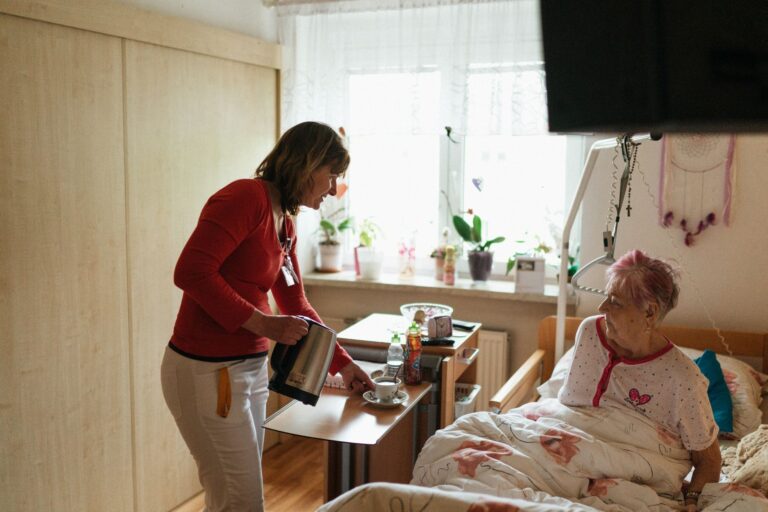
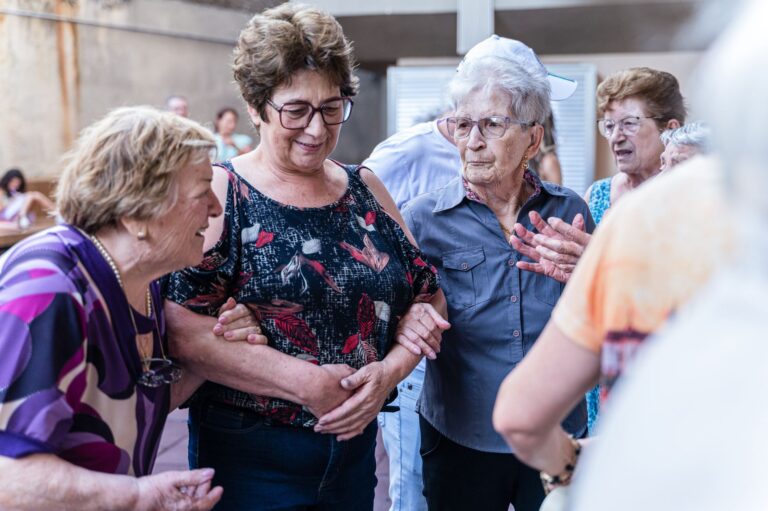
Twenty-four-hour continuous supervision becomes necessary when a person with dementia can no longer be safely left unattended, even for short periods. This transition occurs when the combination of cognitive decline, physical vulnerability, and behavioral changes creates genuine safety risks—not when a caregiver wants convenience, but when leaving the person alone poses real danger. A person in late-stage dementia who no longer recognizes family members, cannot communicate needs, forgets to eat or drink, and wanders toward hazards requires constant oversight because they have lost the executive function to keep themselves safe even in a familiar environment. The shift to round-the-clock care typically happens gradually rather than as a sudden event.
Most families notice it when a middle-stage person, previously able to watch television or sit in the living room for an hour alone, starts leaving the stove on, attempting to leave the house at night, or forgetting whether they have already eaten multiple times in an hour. These moments signal that the person’s short-term memory, judgment, and impulse control have deteriorated to the point where even supervised independence has become risky. Continuous supervision does not always mean active engagement or constant interaction. It means knowing where the person is, what they are doing, and being able to respond within seconds if they attempt something dangerous. A caregiver can be in the same house, cooking dinner or working, while maintaining this level of oversight—but the person with dementia cannot be left alone, cannot be trusted to stay put, and cannot be relied upon to call for help if something goes wrong.
Table of Contents
- When Does Cognitive Decline Make 24-Hour Care Necessary?
- Advanced Dementia Stages and Continuous Supervision Requirements
- Safety Risks That Demand Around-the-Clock Monitoring
- In-Home 24-Hour Care Versus Facility-Based Supervision
- Caregiver Burnout and the Challenges of Providing Continuous Care
- Wandering, Elopement, and Nocturnal Behaviors
- Medical Management in Advanced Dementia Care
- Frequently Asked Questions
When Does Cognitive Decline Make 24-Hour Care Necessary?
dementia progresses unevenly, and the point at which supervision becomes mandatory depends on the individual’s specific symptoms, living environment, and available support. Some people remain lucid and cautious well into late-stage disease; others become high-risk much earlier. The transition to full-time supervision often happens when the person loses the ability to initiate or sustain self-care tasks. This includes forgetting to use the bathroom independently, being unable to prepare food or eat without prompting, and losing awareness of their own physical state (such as not realizing they are in pain, or not recognizing when they are overheated). Behavioral changes often trigger the need for continuous care before cognitive decline alone would. A person who was previously quiet and compliant may become agitated, accusatory, or aggressive when their environment changes or their routine is disrupted. They may attempt to elope—leaving the house with no destination in mind and no awareness of risk. They may become sexually inappropriate or destructive.
These behavioral shifts are not intentional misbehavior; they are direct results of damage to the parts of the brain that govern impulse control and emotional regulation. A family caring for a man with vascular dementia might tolerate his confusion about dates and names, but when he begins trying to leave the house at 2 a.m. or becomes combative during personal care, the calculus changes. Supervision that was optional becomes essential. incontinence also marks a common threshold. While some people with dementia manage toileting with reminders, others lose the awareness entirely. They do not understand when they need to go, do not remember where the bathroom is, and do not recognize soiling. This requires frequent checking, frequent changes, and protection against skin breakdown—all tasks that cannot be delegated to an unsupervised person or managed by someone checking in once or twice daily.
Advanced Dementia Stages and Continuous Supervision Requirements
As dementia progresses into the late stage, the person’s world shrinks. They may lose the ability to walk, to recognize faces, to speak in words that make sense, and to understand what is being said to them. In this stage, 24-hour supervision is almost universally necessary, not primarily because the person is a danger to themselves, but because they cannot communicate, cannot move independently, and cannot meet any of their own needs. They are entirely dependent for eating, toileting, hygiene, mobility, and comfort. A critical limitation of this stage is that the person often cannot tell you when something is wrong. An infection, fracture, or internal problem may go unrecognized because the person cannot report pain, fever, or discomfort.
They cannot say “my hip hurts” or “I feel dizzy” or “something doesn’t feel right.” Families sometimes discover that their family member has had a fall, a urinary tract infection, or an injury only when behavioral changes occur or when physical examination reveals the problem. This means that supervision in late-stage dementia is not just about preventing accidents; it is about observing the person closely enough to notice subtle changes in their appearance, movement, breathing, or responsiveness that might indicate a medical problem. A caregiver cannot be out of the room for long periods, because even an experienced observer might miss the early signs of a stroke, seizure, or severe infection. The physical demands of late-stage care also mandate continuous presence. People with advanced dementia often require repositioning every few hours to prevent pressure injuries, a form of care that cannot be delegated to an untrained person and cannot be postponed. Feeding may require hand-over-mouth assistance, swallowing supervision, or tube feeding management. Any of these tasks performed incorrectly can lead to aspiration pneumonia or choking—both serious, potentially fatal complications.
Safety Risks That Demand Around-the-Clock Monitoring
The range of safety hazards that trigger the need for continuous supervision is broad. Wandering and elopement top the list: a person with dementia who leaves the house without telling anyone may become lost within blocks of their own home, unable to remember their address or recognize landmarks. They may approach strangers, cross busy roads without awareness, or enter dangerous areas. Unlike a young child who might wander, an older adult with dementia may not cry or call for help, and may resist assistance when found. Families have discovered their loved ones miles from home, in weather extremes, or in situations where minutes mattered. fire and appliance safety present constant risks. A person may turn on a stove and forget, leaving cookware to ignite. They may leave water running until it overflows or damages the home.
They may unplug a refrigerator, not understanding why, and contaminate food. They may attempt to use dangerous appliances without knowing how. A caregiver cannot monitor an electric stove while sleeping, which is why many families with dementia care needs disable certain appliances or install safety devices like stove guards. Medication safety requires supervision or secure storage. A person with dementia may take their medications multiple times within an hour, or refuse to take them at all, or take someone else’s medications. They may mix medications with household cleaners, not recognizing the difference. Poisoning, overdose, or serious drug interactions are genuine risks. This is why supervised administration of medications—actually watching the person take each pill—becomes necessary in advanced disease, and why many families lock up all medications except those currently being used.
In-Home 24-Hour Care Versus Facility-Based Supervision
Families often debate whether continuous care should be provided at home or in a facility. Both approaches have tradeoffs that are worth understanding clearly. In-home 24-hour care allows the person to remain in a familiar environment, which can reduce behavioral problems and maintain some comfort. It allows family members to be present as much as they want, and to preserve some sense of control over the person’s care. For many families, it feels more humane and personal. The cost, however, is substantial: a live-in caregiver, even at minimum wage in a low-cost area, costs roughly $25,000 to $40,000 per year, and this is often out of pocket if the family does not qualify for Medicaid coverage. Additionally, the emotional and physical burden on the primary family caregiver does not disappear just because a paid caregiver is present; it often intensifies because the family member is making decisions about care, managing the employee, and remaining available for emergencies and problem-solving. Facility-based care—whether an assisted living facility, memory care unit, or nursing home—provides 24-hour supervision within a structured setting with trained staff and access to emergency services.
The facility also provides liability protection and legal documentation of care. The major limitation is loss of control: family members cannot dictate the person’s schedule, food, activities, or precise approach to care. Quality varies enormously between facilities, and finding a good one requires extensive research and ongoing vigilance. Some facilities are understaffed, and despite legal requirements for supervision, a single aide may be responsible for a dozen residents, which means attention cannot be continuous. Facilities are also expensive, often $5,000 to $10,000 per month depending on location and level of care, and while Medicaid may cover some of the cost, many families still face substantial out-of-pocket expenses. A hybrid approach—part-time in-home care combined with day programs or respite facilities—is sometimes possible but requires significant coordination and money. It addresses caregiver burnout somewhat while keeping the person at home, but does not provide true 24-hour supervision unless the family member is present during non-staffed hours. This option works for some families in the early-to-middle stages of dementia but becomes impractical once the person requires supervision around the clock.
Caregiver Burnout and the Challenges of Providing Continuous Care
One of the harshest limitations of 24-hour care is that it is extremely difficult for one person to provide alone. A single family caregiver who is responsible for a person with dementia around the clock will experience sleep deprivation, isolation, and emotional exhaustion. They cannot leave the house without arranging coverage; they cannot sleep for more than a few hours without risk if the person wanders; they often cannot maintain employment, relationships, or personal health. Studies show that family caregivers of people with dementia have higher rates of depression, anxiety, and cardiovascular disease than age-matched controls. This is not because caregiving is stressful in an ordinary sense; it is because continuous responsibility for another person’s safety, combined with grief over the loss of the person they knew, creates a level of strain that the human body cannot sustain indefinitely. Nighttime care is particularly exhausting.
A person with late-stage dementia may become more confused and agitated at night (a phenomenon called sundowning), may call out frequently, may attempt to get out of bed, or may have incontinence episodes. A caregiver cannot truly sleep; they are in a state of high alert, listening for sounds, ready to respond. Over weeks and months, this incomplete sleep accumulates into severe deprivation. Caregivers sometimes fall asleep during the day without warning, experience cognitive decline themselves, or become emotionally withdrawn. Some become abusive—not because they are cruel, but because their own nervous system has become dysregulated by constant stress. This is why family caregivers providing 24-hour care are at high risk for depression and have higher rates of asking for facility placement than families who hire live-in staff or use facilities from the beginning.
Wandering, Elopement, and Nocturnal Behaviors
Wandering is one of the most challenging behaviors in dementia because it reflects a loss of the brain’s ability to maintain spatial awareness and memory. A person may not understand that they are in their own home; they may feel compelled to “go home” and attempt to leave. They may have no awareness that it is 3 a.m., raining, and cold. They may believe they are going somewhere important (to work, to visit a deceased parent, to pick up a child) and may become aggressive if prevented from leaving. Elopement—intentional leaving of a designated care area—is a leading cause of serious injury and death in people with dementia. When someone with dementia leaves their home undetected, they are at risk of becoming lost, of being struck by traffic, of falling, of entering dangerous areas, and of hypothermia or hyperthermia depending on the season.
One family discovered their grandfather, who had moderate dementia, had walked three miles from his home in the middle of the night wearing only pajamas. He did not know where he was or why he was outside, and he had no idea how to return. A neighbor found him. Some facilities and families use door alarms, door locks that require a code, or GPS devices to manage elopement risk. These interventions are not foolproof; determined individuals sometimes disarm alarms or ask staff to unlock doors, and GPS only helps if someone notices the person is missing. Nocturnal behaviors—including getting out of bed, attempting to leave the house, or trying to use nonexistent bathrooms—occur because the person’s circadian rhythm is disrupted. They may sleep much of the day and be awake and agitated at night, a pattern that makes family or staff supervision even more demanding because the need for supervision does not follow a predictable daytime schedule.
Medical Management in Advanced Dementia Care
Continuous supervision in advanced dementia includes responsibility for medical decision-making and symptom management. A person in late-stage dementia cannot communicate what hurts, cannot tell you what they want, and cannot participate in decisions about their own care. The caregiver—whether family or paid—becomes the advocate and proxy decision-maker. This includes recognizing signs of illness, managing medications, documenting changes, and deciding when to seek medical evaluation or hospitalization. One common problem is that people with advanced dementia may refuse care. They may resist bathing, tooth-brushing, wound care, or medication administration.
From their perspective, a stranger is touching them, the situation is confusing and frightening, and they are powerless. Forcing care on someone who is confused and frightened can cause physical injury and psychological trauma. This means that effective 24-hour care requires not just surveillance and task completion, but skill in working with a person whose reality is fractured and whose communication is impaired. A caregiver must learn to approach from the side rather than behind, to move slowly, to use gentle touch, and to offer choices even when the choices are limited. A person might refuse a bed bath but accept a shower; might refuse pill medication but accept liquid; might allow care at 2 p.m. but not at 9 a.m. Managing these preferences while ensuring the person receives necessary care requires attention, patience, and problem-solving during every caregiving task—not once a day, but multiple times daily, for months or years.
- —
Frequently Asked Questions
How do I know if my loved one needs 24-hour care?
Watch for signs including inability to be left alone safely, attempts to wander or elope, significant behavioral changes like aggression or agitation, loss of awareness of self-care needs, and inability to recognize hazards. If you cannot leave them unattended even for 30 minutes without serious safety risk, 24-hour supervision is likely necessary.
Can I provide 24-hour care at home by myself?
Short-term, maybe. Long-term, it becomes unsustainable for most families. Continuous caregiving leads to severe sleep deprivation, isolation, and increased risk of depression and health problems. Most caregivers providing around-the-clock supervision alone experience burnout within months to a year.
What is the difference between assisted living and memory care?
Assisted living is for people who need help with daily tasks but are generally safe and stable. Memory care (often called a memory care unit or specialized dementia unit) is specifically designed for people with dementia, with more structured supervision, trained staff, and physical environment designed to reduce elopement and wandering risk.
How much does 24-hour care cost?
In-home care with a live-in caregiver ranges from $25,000 to $50,000+ per year depending on location and wage rates. Facility-based care typically costs $5,000 to $12,000 per month. Medicaid may cover some facility costs but not usually in-home care unless you meet specific eligibility requirements.
What should I do if my loved one wanders or tries to elope?
Report missing persons immediately to local police. Use identification bracelets or GPS devices. Install door alarms or locks. Notify neighbors and local businesses. Reduce access to exits and car keys. Some communities have registries for people with dementia that law enforcement can check. If wandering is frequent, facility-based care may be safer.
Can medications help reduce difficult behaviors?
Some medications can reduce agitation or anxiety in dementia, but they do not eliminate the need for supervision. Medications carry risks and side effects in older adults, and are most effective when combined with environmental changes and behavioral strategies, not as a substitute for supervision.