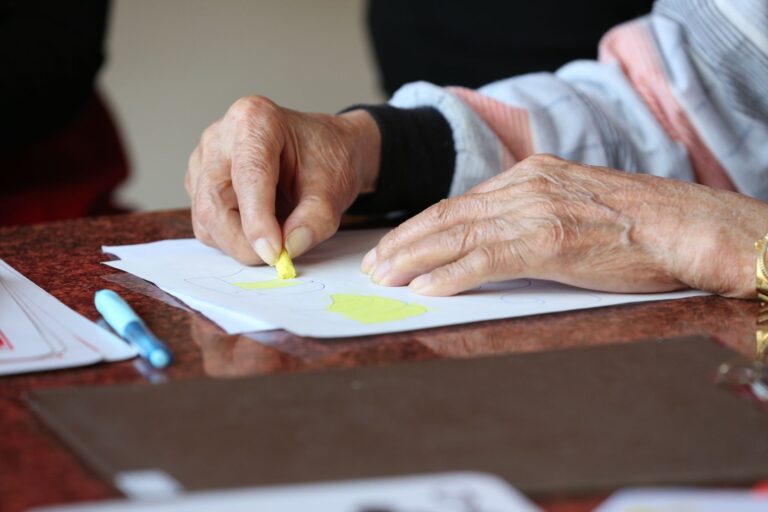
Adult coloring can support engagement in dementia care by offering a calm activity with no memory test and no wrong answer. It keeps hands busy, attention present, and conversation open. Adult coloring here means structured pages such as mandalas — circular patterns colored with markers or pencils. For a person with dementia, the value lies in doing and expressing, not finishing a perfect picture.
Medical information disclaimer: This article is for general educational purposes only and does not provide medical advice, diagnosis, or treatment. Always consult a physician or other qualified health professional about symptoms, medications, tests, or treatment decisions.
Table of Contents
- What trials show about calm
- Why no-right-answer art aids connection
- Which group setup showed highest well-being?
- How to run a short dementia-fit session
What trials show about calm
A randomized trial in Taiwanese community-dwelling older adults tested a single 20-minute mandala-coloring session. It reduced self-induced anxiety with an above-medium effect size. Participants felt more calm, safe, at ease, and satisfied, as reported in Evidence-Based Complementary and Alternative Medicine Evidence-Based Complementary and Alternative Medicine report.
A pooled analysis of nine randomized trials linked mandala-based art to lower anxiety and depressive symptoms in middle-aged and older adults. The comparison was against control conditions, as summarized in the Frontiers in Psychology review Frontiers in Psychology review. For caregivers, the use is comfort and focus in the moment.
Why no-right-answer art aids connection
Art and music work well when they allow self-expression. The Alzheimer's Association guidance frames art as self-expression for both the person and the caregiver, without demanding correct performance or finished products Alzheimer's Association guidance. Opening Minds through Art shows one way to apply that idea. ScrippsOMA at Miami University pairs a person with dementia as the artist with a trained volunteer.
Partners use imagination rather than memory and build on remaining strengths. Person-centered care here means follow the person's current choices and strengths. Memory asks for names, dates, and right answers. Imagination asks which blue feels calm today and where the color should go next.
Which group setup showed highest well-being?
Observers rated 67 institutionalized people with dementia across five activity types. The intergenerational art program Opening Minds through Art earned the highest well-being scores, according to the Dementia journal study in the Berklee citation record Berklee citation record for the Dementia study. The same 67-person study sets a clear limit.
It found no significant well-being gap between creative groups led by licensed therapists and those led by regular staff. It also found no significant gap between creative and non-creative groups when regular staff led both. Labels matter less than fit. A dementia-specific design and warm one-to-one attention likely drive the score more than the word creative or a license on the wall.
How to run a short dementia-fit session
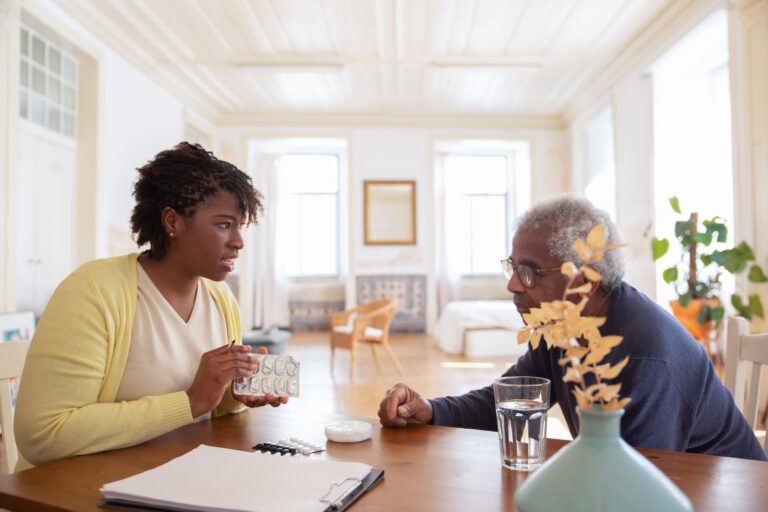
Researchers in the Berklee-cited Dementia study recommend activities built for dementia, not generic crafts. They point to about one volunteer for each participant. ScrippsOMA volunteer training requires about 2.5 hours of person-centered online preparation before working with someone with dementia.
Keep the time short and the choices clear. Offer thick lines, good light, and no model to copy. End while attention is still positive. Save the page with the date and bring the same colors next visit.
- Offer one large simple mandala and two to three color tools.
- Sit beside, not across, and color your own page as a partner.
- Follow current choices and praise steady effort, not accuracy.
- Stop while mood is good and date the page for next time.