A person with dementia, which gradually impairs memory and thinking, shows watercolor enjoyment by smiling, looking glad, and staying relaxed. Continued painting, steady attention, pride in the finished work, and willingness to paint again also signal pleasure. These signs matter because painting can support interest, self-esteem, and a sense of normalcy during dementia. Watching for them helps caregivers decide whether to continue, adjust, or try a different activity.
Medical information disclaimer: This article is for general educational purposes only and does not provide medical advice, diagnosis, or treatment. Always consult a physician or other qualified health professional about symptoms, medications, tests, or treatment decisions.
Table of Contents
- What enjoyment looks like up close
- Does the person stay with the painting?
- How do mood and company change?
- How can caregivers set up watercolors for enjoyment?
- What are the limits?
What enjoyment looks like up close
Enjoyment usually shows first in the face and shoulders. In a U.S. National Library of Medicine qualitative study, staff called an activity effective when clients smiled and looked glad U.S. National Library of Medicine qualitative study.
They also looked for relaxed posture and freedom from anxiety. Good moments feel light and present. Limelight, reporting an Art Gallery of New South Wales and University of Technology Sydney study, described in-the-moment pleasure with more joy and social talk. People engaged with the art itself instead of straining to recall facts.
Does the person stay with the painting?
Staying power is a strong clue. Twelve adults with early- to middle-stage dementia were studied during painting and other structured activities. Americans for the Arts, summarizing Kinney and Rentz 2005, reports painting brought more interest, sustained attention, pleasure, self-esteem, and normalcy Americans for the Arts summary of the Memories in the Making comparison.
Active participation also counts. Practical Neurology describes a man with mid-stage Alzheimer's who painted an original watercolor with better communication, brighter mood, and renewed pride. He stayed connected with others through the work.
How do mood and company change?
Watch for warmer mood around others. People may chat more, make eye contact, laugh, and seem less anxious while painting. Shared art time can lift both the person and the carer, according to U.K.
health guidance. Pride is another visible sign. Practical Neurology notes a painter with mid-stage Alzheimer's regained pride and steadier ties with others. In daily care, that can look like holding up the sheet, naming colors, or explaining the picture.
How can caregivers set up watercolors for enjoyment?
Simple setups reveal enjoyment best. U.K. National Health Service guidance recommends drawing and painting classes, along with drama and book clubs, to help people with dementia stay involved U.K. National Health Service guidance on dementia activities.
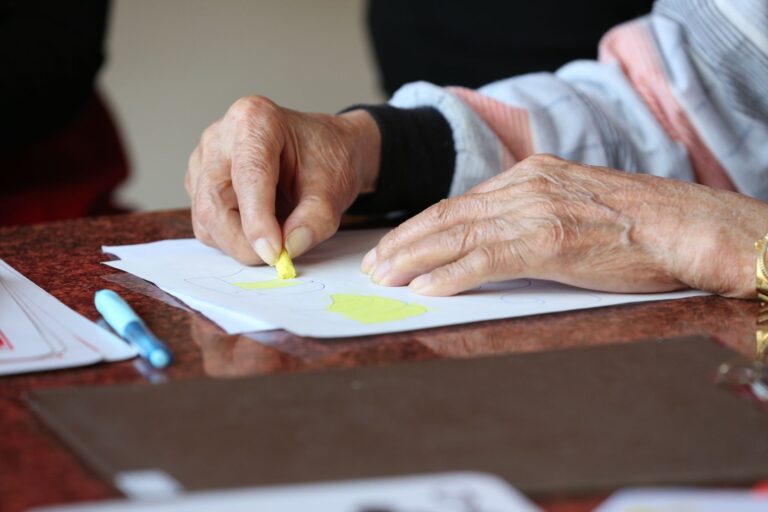
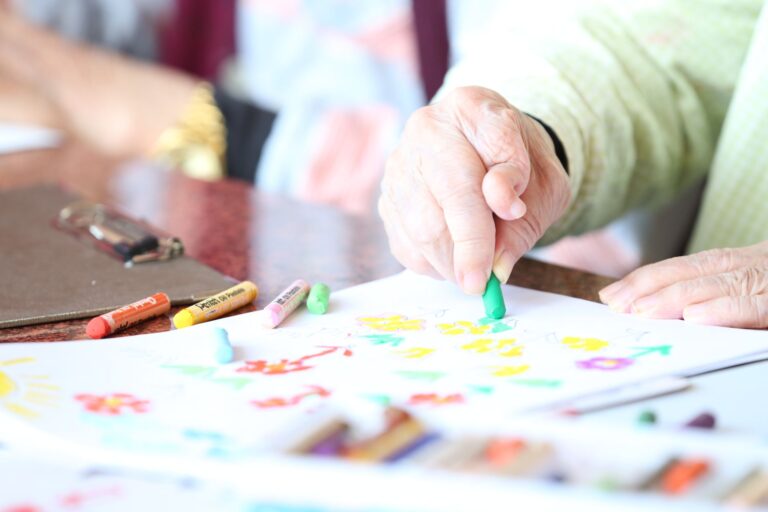
Shared sessions can make both the person and the carer happier. The same National Health Service guidance favors simple watercolor tasks with basic instruction, supervision, and extra time. Look for three return signs before deciding the activity works. Keep the task short and stop while interest stays high. Note what prompted smiles so you can repeat that setup next time.
- keeps brushing without prompting
- shows pride and names parts of the picture
- agrees willingly to paint again
What are the limits?
Benefits can be real but short-lived. News-Medical, reporting a University of Canberra study, tracked twenty-five gallery-program participants with mean age 84.6 News-Medical report on the University of Canberra study. After six weekly National Gallery of Australia sessions, they showed a healthier waking-to-evening salivary-cortisol rhythm, which later returned to baseline.
Painting does not erase all distress. The twelve-person art-versus-other-activity comparison found no difference in negative affect or sadness, according to its PubMed abstract. Keep sessions gentle, watch for fatigue, and offer a different activity if low mood persists.