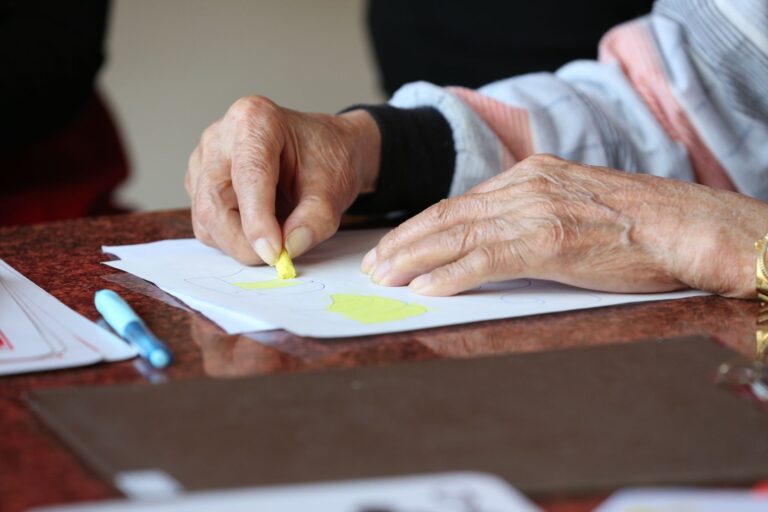
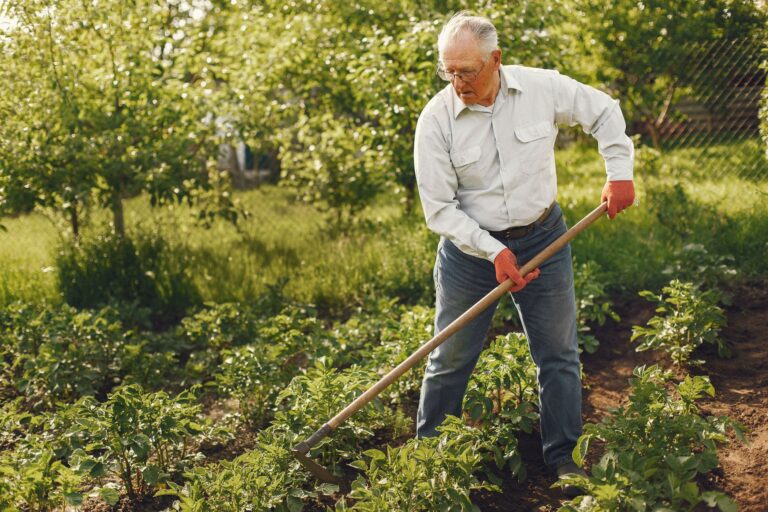
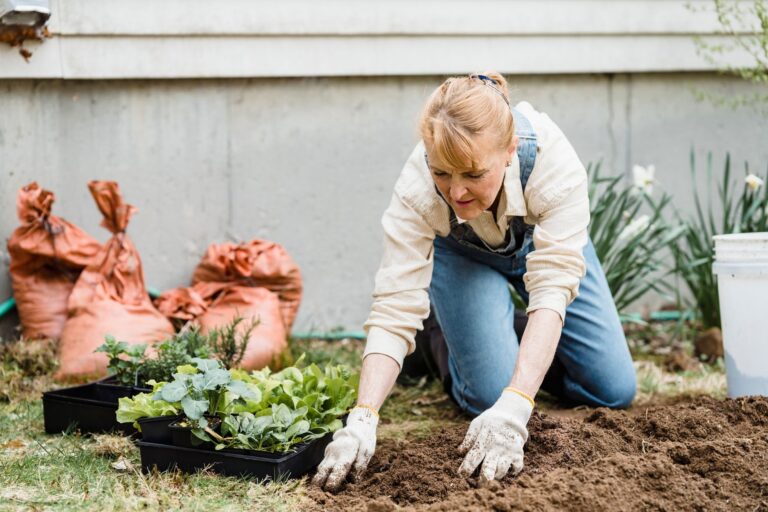
Yes, regular gardening is linked to lower risk of dementia, a lasting decline in memory, thinking and daily function, in several long-term studies. Daily gardeners showed the clearest advantage, and lifelong gardeners stayed sharper into very old age. The signal appears in Australian, Japanese and Scottish groups that tracked gardening and later brain health. The benefit is not proven as cause and effect, so gardening works best as part of an active, connected lifestyle.
Medical information disclaimer: This article is for general educational purposes only and does not provide medical advice, diagnosis, or treatment. Always consult a physician or other qualified health professional about symptoms, medications, tests, or treatment decisions.
Table of Contents
- How strong is the link?
- Do gardeners stay sharper longer?
- Could early decline explain the link?
- How can you garden for brain health?
How strong is the link?
The Dubbo Study followed 2,805 adults aged 60 and older for 16 years. Daily gardeners developed dementia less often than rare gardeners (hazard ratio 0.56), according to the Medical Journal of Australia in the Dubbo Study report.
A Japanese cohort followed 4,564 community-dwelling older adults for 42.6 months. Field work or gardening was linked to about 29 percent lower dementia risk. The link was stronger in women and adults aged 65 to 74, according to the 2018 cohort described in the Springer Nature summary.
Do gardeners stay sharper longer?
Edinburgh's Lothian Birth Cohort tested 467 people from age 11 to age 90. The 280 frequent or occasional gardeners showed greater lifetime cognitive improvement.
They kept an advantage from 79 to 90 as memory, reasoning and fluency declined, according to the University of Edinburgh in the university report. The Edinburgh researchers report the advantage held after accounting for socioeconomic status, education, childhood ability, health and overall late-life physical activity. They link the pattern to gardening taxing memory and executive function, which guides planning and switching between tasks.
Could early decline explain the link?
A UCL-led Neurology study tracked leisure activity including gardening at age 56. It found no link to dementia over the next 18 years, according to UCL News in the UCL News report.
People who later developed dementia had already cut back on leisure activity years before diagnosis. That pattern points to reverse causation, where early disease reduces activity rather than low activity causing disease.
How can you garden for brain health?
WHO's updated 2026 dementia-risk guidance recommends regular physical activity, cognitive stimulation and social participation. It also recommends a healthy diet, stopping tobacco, limiting alcohol and reducing air-pollution exposure. It notes up to 45 percent of dementia risk is modifiable, according to UN News and WHO.
The Alzheimer's Association U.S. POINTER trial tested a two-year multidomain program in more than 2,100 older adults at elevated risk. The program combined physical activity, nutrition, cognitive and social engagement with vascular monitoring and improved cognition, as reported in JAMA in July 2025. Make garden time regular, physical, mental and social:.
- Garden most days, even for short periods, with digging, planting, weeding and watering.
- Plan beds, rotate crops, learn new plants and track what thrives.
- Garden with family, friends or a community group and share produce.
- Build safety in with shade, water, sun protection, sturdy tools and clear paths.