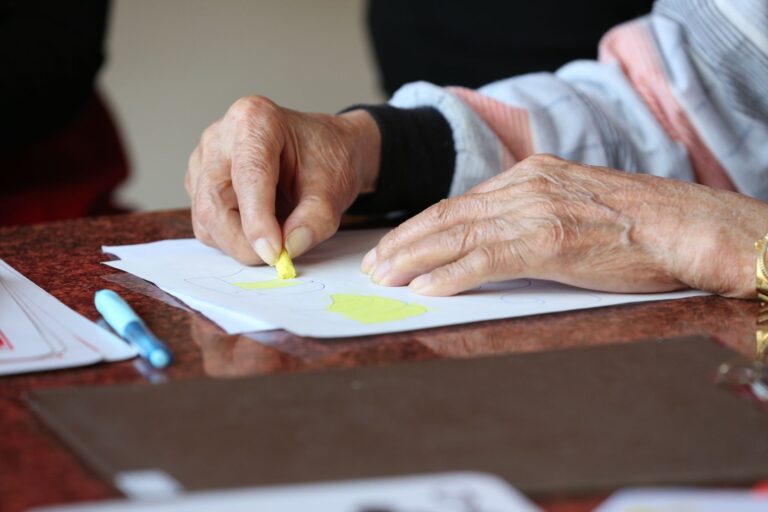
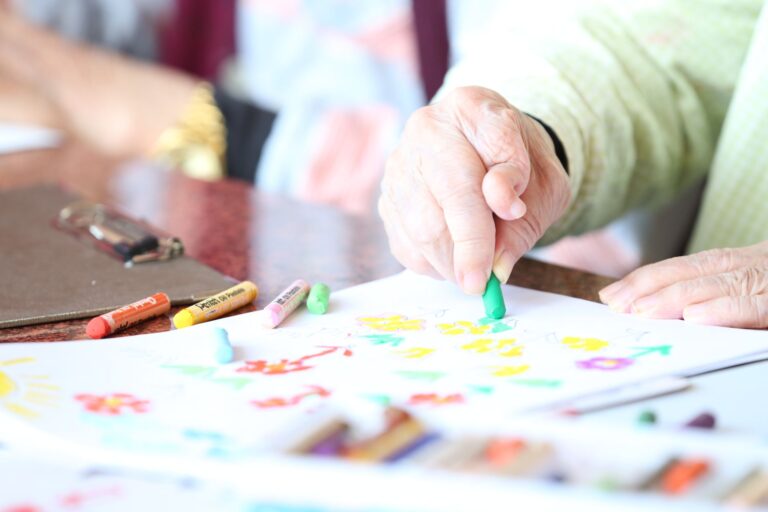
Keep painting calm by matching the task to what the person can do now and working one small step at a time. Offer a fresh sheet, a simpler image, or a chance to watch when frustration rises.
Dementia care here means daily support for a person with memory and thinking changes. Frustration often comes from too many steps, unsafe tools, or fear and anxiety. Small choices before and during painting lower that pressure.
Medical information disclaimer: This article is for general educational purposes only and does not provide medical advice, diagnosis, or treatment. Always consult a physician or other qualified health professional about symptoms, medications, tests, or treatment decisions.
Table of Contents
- Why watercolor fits dementia care
- How do you set up a calm session?
- What helps when frustration starts?
- What can painting change, and what are its limits?
Why watercolor fits dementia care
Alzheimer's Orange County art-program leaders recommend watercolor because it is non-toxic and washes out of clothing. They also note that a frustrated painter can restart on a fresh sheet or switch images, as explained in Psychology Today's art-program guidance. The Alzheimer's Association advises keeping art projects at an adult level and avoiding anything childlike or demeaning.
It also advises avoiding toxic or unsafe tools and using the artwork to build conversation, as listed in the Association's art-therapy tips. A simple orchard scene on thick paper respects an adult painter. A cartoon coloring sheet does not.
How do you set up a calm session?
The National Institute on Aging advises matching activities to what the person can still do and helping them get started. It also advises breaking activities into simple steps and watching for frustration. Letting the person only watch is also fine, as detailed in the agency's activity guidance for Alzheimer's caregiving. Mayo Clinic neurologist Dr.
Jonathan Graff-Radford advises breaking overwhelming activities into smaller steps. Focus on one step at a time to lower frustration, as reported by Mayo Clinic Press in guidance on agitation. U.S. Department of Veterans Affairs caregiver guidance says to notice what the person seems to enjoy and avoid activities that trigger fear or anxiety. It also encourages valued roles and expects less-active participation as dementia progresses.
- Offer two image choices with large shapes.
- Set out one brush, water, and two paints.
- Start the first wash together.
- Talk about the colors, not correctness.
What helps when frustration starts?
Watch for sighs, pushing paper away, or fast breathing. Pause the step and offer a simple choice: continue, restart, or watch. A clean sheet removes the mistake without blame. Name only the next mark, such as one blue wash across the sky.
Stay beside the person and describe what you see. Ask what memory the colors bring up. Do not correct grip, color choice, or outcome. If fear or anger grows, stop painting and shift to music, a walk, or a drink.
What can painting change, and what are its limits?
An observational study of 12 people with Alzheimer's dementia found painting workshops improved motivation and concentration. Agitation and aggressive behavior fell, as summarized in a Journal of Alzheimer's Disease Reports systematic review. A preliminary Opening Minds through Art study reported higher quality of life and lower distress after each class for 12 people with dementia. Anxiety, depression and anger also fell.
Nine care partners had lower burnout and stress (p<.01). A 20-person pilot with probable Alzheimer's patients reported better general cognition, language and executive function than usual care. Executive function means planning and focus skills. Tiny samples and short-term post-class measures limit proof of lasting benefit. If painting brings more distress than pleasure across several tries, pause it and offer a different valued activity.